
Planning a Saltwater Fishing Charter Trip: What to Book and Bring
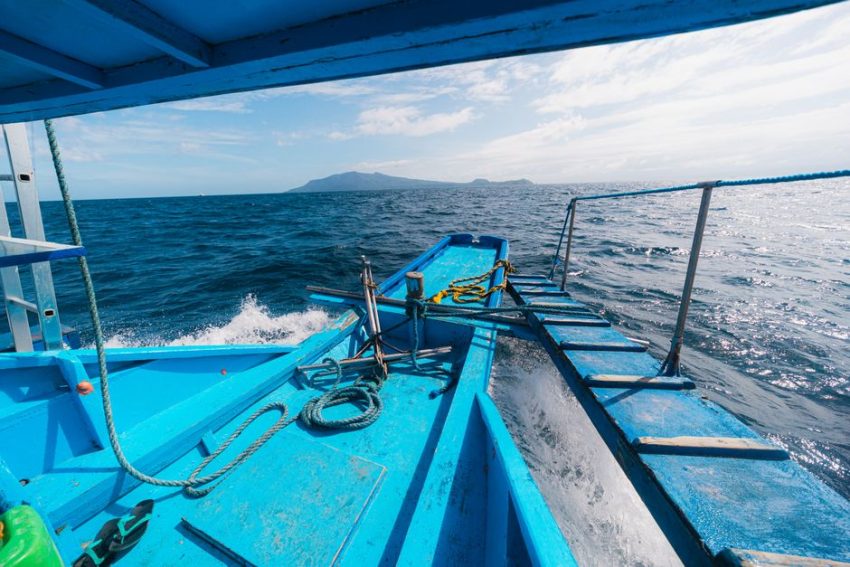
Book the right boat before you buy extra gear. The charter type, trip length, captain, weather policy, and license terms usually shape your day more than an expensive reel does. For most first-time anglers, a half-day inshore or nearshore trip with tackle supplied is the safest starting point.
The legal rules discussed here are general planning points. Florida, Texas, and other states may set different license, bag, size, and cancellation requirements. This is not legal advice — consult a licensed attorney.
Confirm these booking terms before you pay
A charter reservation is a service contract in practical terms. Get the important promises in writing before sending a deposit, especially the weather call, cancellation window, and items included in the rate.
- Identify the exact vessel and captain. Confirm the boat name, passenger limit, departure marina, captain contact information, and commercial licensing details. A listing that gives only a company name creates avoidable confusion at the dock.
- Ask what the price covers. The rate may include rods, reels, bait, fuel, ice, cleaning, fishing licenses, or only the boat and captain. Ask about each item instead of assuming the advertised price is the final cost.
- Read the weather policy. Find out who decides that conditions are unsafe, how much notice the captain gives, and if you receive a refund, reschedule, or credit. A captain should make the safety call, not a passenger who wants to protect a deposit.
- Check the target species. Ask which fish are realistic for that season, water depth, and trip length. No captain can guarantee a catch, and a promise of a specific trophy fish should make a careful buyer skeptical.
- Verify license and conservation duties. In some states, a vessel license covers passengers; in others, anglers may need separate permits or special stamps. Check the current rules from the relevant state wildlife agency, such as Florida Fish and Wildlife Conservation Commission or Texas Parks and Wildlife Department.
- Confirm payment and gratuity terms. Ask about deposits, card fees, fuel surcharges, cancellation penalties, and customary crew tips. Keep screenshots of the written booking terms in case the dockside conversation differs from the reservation.
Pack a lean kit, not a second tackle shop
Charter boats normally supply the working tackle, bait, and basic safety equipment. Your personal kit should solve comfort and protection problems without filling the cockpit with loose bags. Pack items that remain useful if the boat moves, sprays, or changes plans.
Clothing and sun protection
Wear quick-drying layers, polarized sunglasses with a retaining strap, a brimmed hat, non-marking deck shoes, and a long-sleeve sun shirt. Bring a waterproof phone pouch and a small dry bag. A YETI Hopper Flip 12, commonly listed near $250 and sized for a compact personal cooler, works for drinks and medication when the captain permits personal coolers. Apply broad-spectrum SPF 50 before boarding and carry a second small tube for reapplication.
| Item | Practical amount | Useful specification | Example |
|---|---|---|---|
| Water | 2 to 3 liters per person | Insulated bottles with secure lids | Personal bottles, not loose cups |
| Dry storage | 1 bag, 10 to 20 liters | Roll-top closure or waterproof zipper | Small dry bag for phone and wallet |
| Sun protection | SPF 50 plus hat | Reapply every 2 hours and after heavy spray | Sun Bum Original SPF 50 is often listed near $16 |
| Tackle storage | Only if the captain requests it | Water-resistant, compact, and secured | Plano EDGE Offshore 3700, commonly near $50 |
Food, medication, and small essentials
Pack light snacks with salt and carbohydrates, motion-sickness medication approved for you by a medical professional, prescription medicine in a sealed pouch, hand wipes, and a spare shirt. Do not bring glass containers, large hard coolers, drones, or a huge tackle bag without asking first. The boat has limited dry storage, and an unsecured object can become a hazard when the captain throttles up.
Use the boat’s tackle unless the captain says otherwise
For a first charter, the captain’s matched rod and reel is the clear winner. The crew knows the line strength, leader, hook size, drag setting, and knots that fit the local fishery, so using supplied tackle removes several failure points at once. Bringing your own setup makes sense only when you already know the target species and the captain confirms that personal gear is welcome. A PENN Battle III 6000, often listed around $130 with a 6.2:1 gear ratio and up to 25 pounds of stated drag, is a reasonable general-purpose spinning reel for an angler who wants a personal setup. The Shimano Saragosa SW 6000HG, commonly priced near $300 and built for heavier saltwater use, is the better choice for repeated offshore trips where sealing and durability matter more than price. The Daiwa BG MQ 6000D-H, often near $200, sits between those options for anglers who want a rigid body and a strong saltwater-oriented reel without buying premium gear. None of these reels guarantees a fish, and none replaces the captain’s local tackle judgment.
The 30-second tackle decision
If the captain supplies gear, use it. If the captain asks you to bring a reel, match the reel to the line and rod he or she specifies. Rinse personal saltwater gear with fresh water after the trip, dry it fully, and loosen the drag before storage. That maintenance step prevents corrosion better than buying a more expensive reel after every outing.
Avoid the mistakes that waste a charter
The strongest booking is still vulnerable to poor preparation. My recommendation is simple: protect the first two hours of the trip by preventing the mistakes below.
- Booking only by the lowest price. A cheap four-hour trip may spend much of its time running to a distant spot. Compare passenger limits, fishing time, included equipment, and the captain’s cancellation terms.
- Ignoring seasickness risk. Offshore motion affects people who feel fine on ferries or lakes. Eat a light meal, sleep properly, and ask a medical professional about medication before the morning of departure.
- Wearing cotton jeans. Wet denim stays heavy and cold. Quick-drying pants and a spare layer are more useful than fashionable travel clothes.
- Overpacking gear. Five rods, three coolers, and a large hard case take space from passengers and create trip hazards. Bring one small personal bag unless the crew asks for more.
- Assuming the catch is guaranteed. Tides, water temperature, bait movement, wind, and regulations can change the plan. A professional captain should explain the likely targets, not promise a specific result.
- Forgetting fish-handling rules. Ask who measures, cleans, bags, and transports legal fish. Size limits, closed seasons, bag limits, and protected species rules can change by state and fishery.
- Arriving at the posted departure time. Reach the marina 20 to 30 minutes early. Parking, fuel docks, restrooms, and payment paperwork can consume the margin needed for a prompt launch.
Handle weather, licenses, and last-minute changes
What happens if the captain cancels for weather?
A responsible captain may shorten, postpone, or cancel a trip when wind, lightning, visibility, or sea conditions create an unreasonable risk. The written policy should say what happens to your deposit. A rescheduled trip is not automatically a breach, and a refund is not automatic in every agreement. Ask for the outcome before payment, then keep the message that records the captain’s decision.
Who handles the fishing license?
Never rely on a generic statement that licenses are included. Florida, Texas, and other states can use different rules for charter passengers, residents, nonresidents, species, and special permits. Ask the captain which agency’s rules apply to the departure waters and confirm the current requirement through that agency. If you fish across state or federal waters, ask how the captain handles the boundary.
When should you not book the trip?
Do not book a long offshore run when the group has no plan for seasickness, cannot accept a weather change, or expects a guaranteed trophy. Choose an inshore trip instead when comfort, shorter travel, and steady casting matter more than maximum size. Also skip a charter whose listing hides the vessel, captain, departure point, refund terms, or passenger limit.
How should the trip end?
Before leaving the dock, confirm the final charge, collect any legal fish according to the captain’s instructions, and rinse personal gear with fresh water. That returns to the opening decision: the best charter day starts with a suitable boat and a light, purposeful bag. Once those pieces are in place, the fish, weather, and route can change without turning the trip into a preventable problem.