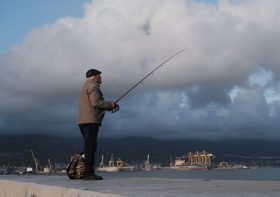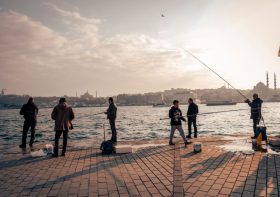
Outfit Ideas for Fishing and Golf Trips That Stay Dry
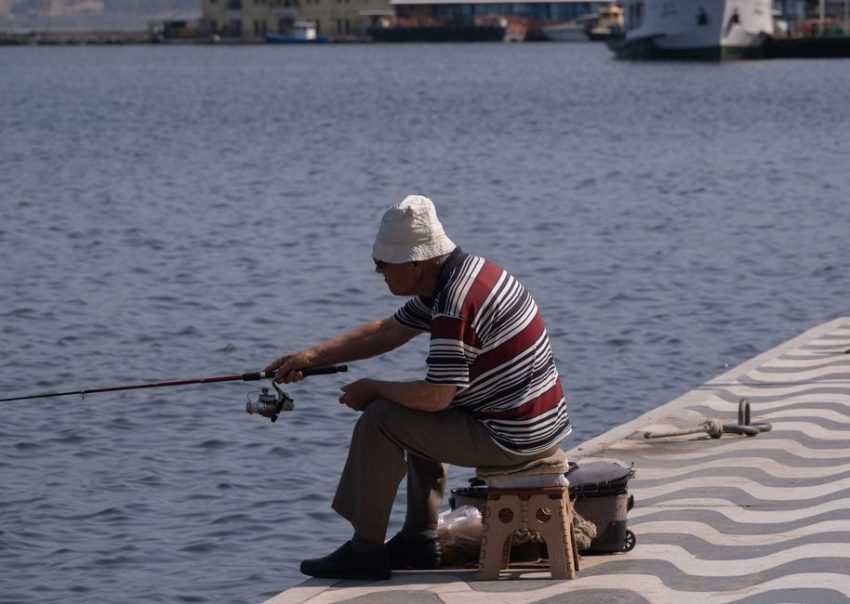
A cotton T-shirt can hold roughly 24 times its weight in water, which explains why one damp shirt can ruin an otherwise good day outside. After years of packing for fishing boats, windy fairways, and early airport departures, I have found that the best outfit is not the one with the most technical features. It is the one that controls sweat, sun, wind, and movement without forcing you to change every few hours.
Why Layering Beats a Single All-Weather Outfit
The first principle is simple: fishing and golf create different kinds of discomfort during the same trip. A boat deck exposes you to glare, spray, and wind. A golf course gives you long stretches of walking, sudden swings, and changing shade. One thick jacket cannot solve all of those problems. A three-layer system works because each layer has one job, and you can remove or add it without rebuilding the whole outfit.
Start with a sweat-moving base
Your base layer sits against your skin, so it should move moisture away from your body and dry quickly. Choose polyester, nylon, or a light merino blend with a close but not tight fit. The fabric should not flap around your arms during a cast or catch under your shoulders during a golf swing. I avoid cotton here, even for a cool morning, because it stays wet after the temperature drops. A long-sleeve base also gives you more sun coverage than sunscreen alone.
Add warmth only when the forecast earns it
The middle layer traps warm air, but it should remain thin enough to fit under a shell. A lightweight fleece, grid-fleece pullover, or thin insulated vest works better than a bulky sweatshirt. Vests are especially useful for golf because they keep the torso warm without restricting the elbows. For fishing, choose a layer with a smooth outer face so it does not snag on tackle, straps, or boat hardware.
Use the shell for wind and rain
A shell should block wind first and rain second, because wind often makes a mild day feel cold long before heavy rain arrives. Look for a hood that turns with your head, cuffs that close over the wrist, and enough room to swing or cast with a base layer underneath. A fully waterproof jacket is worth carrying on a wet trip, but a light wind shell is the better daily choice when the forecast shows dry conditions with gusts.
My verdict: pack a breathable base, a thin warm layer, and one real shell. That combination handles more conditions with less bulk than a single heavy jacket.
Fishing Trip Outfit Ideas Need a Sun-and-Splash Plan
Fishing clothes fail when they treat sun, spray, and heat as separate problems. They overlap. A shirt that dries fast also reduces the chill after a splash, while a pale, tightly woven fabric cuts glare and protects skin. I plan fishing clothes around the coldest wet moment and the hottest exposed moment, not the average temperature printed in the forecast.
Match the outfit to the water, not just the air
| Trip condition | Top layer | Bottom layer | Footwear choice |
|---|---|---|---|
| Hot, calm lake, 75–90°F | Long-sleeve sun shirt or breathable button-up | Quick-dry shorts or lightweight pants | Drainable deck shoes or sandals with heel support |
| Windy boat, 60–75°F | Wicking shirt plus thin wind shell | Stretch pants that cover the knees | Non-marking shoes with firm wet-deck grip |
| Rain or heavy spray | Wicking base plus waterproof shell | Water-resistant pants over quick-dry bottoms | Waterproof deck boots with slip-resistant soles |
| Cold dawn below 60°F | Base layer, fleece, and packable shell | Stretch pants with room for a base layer | Insulated waterproof boots or warm socks with deck shoes |
The one-bag rule that saves space
Pack two tops for every full day on the water, one dry bottom, two pairs of socks, and one shell. Keep the spare top in a sealed dry bag instead of your main luggage. Do not bring cotton jeans, heavy canvas shorts, or shoes with smooth lifestyle soles. They absorb spray, dry slowly, and become unsafe on wet surfaces. Choose muted colors if you are sight-fishing in clear water, but do not treat color as a substitute for sun protection or good casting movement.
My verdict: the best fishing outfit is a light long-sleeve system with quick-dry bottoms and serious wet-surface traction; it covers more situations than a short-sleeve shirt and casual sneakers.
Golf Trip Outfit Ideas Should Protect the Swing
My course-ready pick
My strong opinion: start with stretch, not style, because a good-looking polo that pulls across your back will distract you on every tee box, and a stiff trouser will make a four-hour walk feel longer than it should.
For a collar-required course, the adidas Ultimate365 Tour Cool Feeling Deco Polo is my cleanest golf-first pick at about $100 in 2026, while the FootJoy Pro/SL Carbon at $225 is the stronger spend for golfers who walk and need stable spikeless traction without wearing a heavy-looking shoe.
When to spend more
Buy the golf shoe before buying a second premium polo, because foot fatigue and slipping affect every hole, but skip the expensive shoe if your trip includes long boat rides or wet docks where golf soles are a poor match for slick surfaces.
For a mixed fishing-and-golf weekend, use the polo on the course, switch to a sun shirt on the boat, and keep the same stretch trouser only if it dries quickly and has enough room for a base layer; that small change is more useful than packing a separate outfit for every photograph.
Five Packing Mistakes That Make Sports Trips Miserable
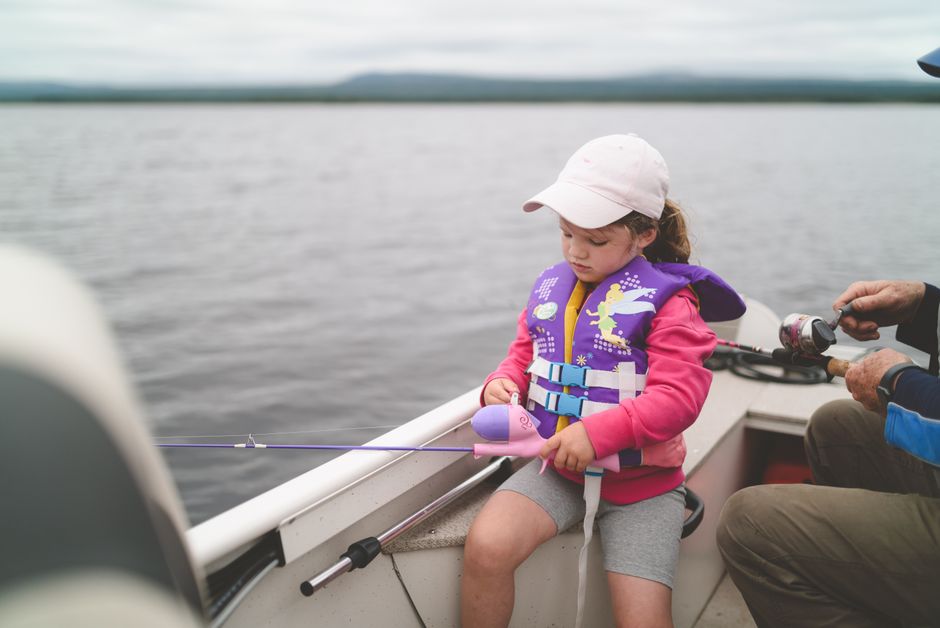
The biggest packing mistake is solving each activity with a separate outfit. You end up with too much luggage and still miss the one item that matters, usually a dry layer, a warm sock, or a shell that actually blocks wind.
Mistakes that cause most discomfort
- Buying for the destination temperature only. A 70°F forecast says nothing about wind on open water or shade before a sunrise tee time. Pack for the lower-feeling temperature created by movement, spray, and wind.
- Choosing loose sleeves for comfort. Extra fabric catches on fishing gear and folds under a golf glove. Choose room through the chest and shoulders, but keep cuffs and hems controlled.
- Trusting “water resistant” without checking construction. A jacket can shed light drizzle and still wet through at the shoulders after twenty minutes. Look for a hood, sealed or protected seams, adjustable cuffs, and a real waterproof rating when rain is likely.
Fix the last-mile problems
- Wearing new shoes on day one. Break them in before travel with the socks you plan to pack. Blisters do not care how breathable the upper is.
- Forgetting the after-sport outfit. A damp shirt under a travel-day hoodie makes the ride home miserable. Carry one clean top, dry socks, and lightweight pants in a small separate bag.
Do not buy a second jacket to solve a poor first layer. Replace the cotton base, improve the socks, or add a packable shell first. Those changes solve the real failure points with less weight.
My verdict: pack for wind, wet feet, and the post-round change, because those three problems ruin more outdoor trips than a slightly wrong color or missing fashion detail.
My One-Bag Outfit Plan for a Fishing-and-Golf Weekend
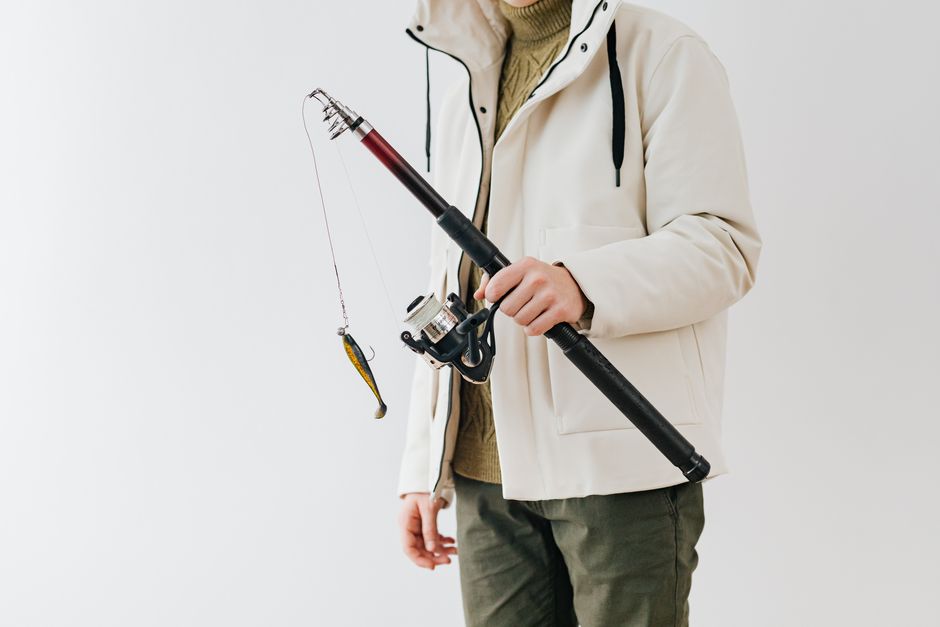
I pack one outfit system that can move from an early boat launch to a casual clubhouse without pretending that fishing and golf need identical clothes. The goal is a small set of pieces with separate jobs, not a suitcase full of near-duplicates.
What goes in the bag?
My core list is two moisture-moving tops, one long-sleeve sun layer, one thin fleece or vest, one wind-and-rain shell, two pairs of stretch bottoms, one golf polo, one pair of golf shoes, one pair of wet-deck shoes, four pairs of socks, and a brimmed hat. The Columbia PFG Tamiami II Long Sleeve Shirt costs about $60 and gives you UPF 40, fast drying, and a buttoned style that works for travel. It is my best value fishing shirt.
Which item earns its price?
The Simms SolarFlex Hoody is the better hot-weather choice at about $85 when you want UPF 50+ coverage, fast drying, and a hood for long hours in direct sun. I would buy it instead of a second cheap sun shirt for a serious fishing trip. For golf, the adidas polo and FootJoy shoe combination earns the money because one handles course rules and swing movement while the other handles walking stability.
When should you skip these picks?
Skip the button-up fishing shirt if you only fish from shore in cool weather and prefer a warmer midlayer. Skip the premium hooded sun shirt if your trip has short exposed periods and you already own a comfortable UPF long sleeve. Skip the $225 golf shoe if you ride in a cart, play only one round, or need footwear that can cross wet docks; a cheaper spikeless model or versatile trail shoe will suit that trip better.
Prices move with sales and sizes, so treat the 2026 figures as a buying check rather than a promise. My specific recommendation is the Columbia PFG Tamiami II for fishing, a thin three-layer system for changing weather, and the adidas Ultimate365 polo with FootJoy Pro/SL Carbon shoes for golf. That combination gives an outdoor sports traveler the best balance of sun coverage, drying speed, swing freedom, and reliable footing without packing two unrelated wardrobes.