Outfit Ideas for Fishing and Golf Trips That Pack Light
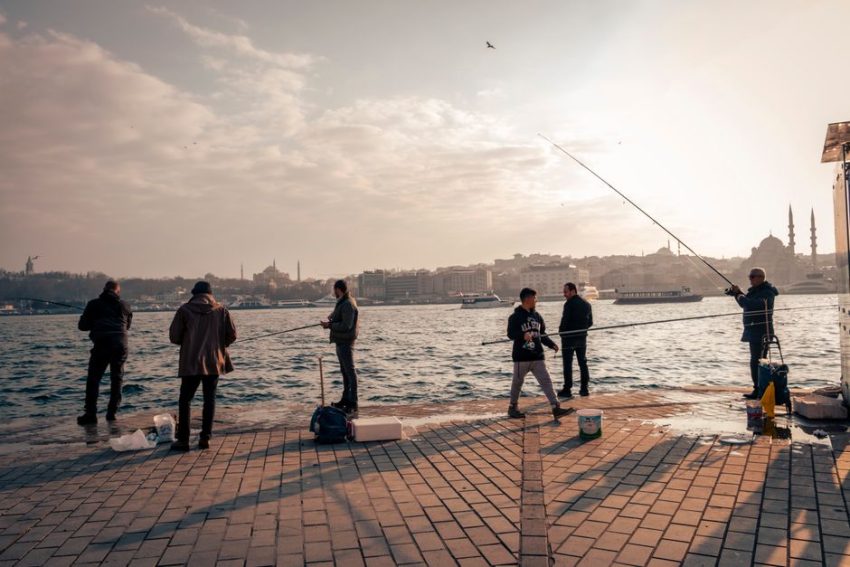
You land before sunrise, drive straight to the marina, and need clothes that can handle spray, sun, wind, and a long day on your feet. The next morning brings an 8 a.m. tee time, a club dress code, and a forecast that may climb from 58°F to 82°F. That is the real outfit problem: one bag must cover two sports with very different rules.
The clear answer is a small layering system built around quick-drying tops, stretch bottoms, sun protection, and one weather shell. The best outfit is not the most expensive one. It is the combination that stays comfortable, looks acceptable at the clubhouse, and still works after a damp boat ride.
Start with the forecast, not the dress code
Verdict: plan for temperature swings and wet conditions first, then adjust the final layer for the golf course. A fishing morning exposes you to wind and reflected sunlight. A golf round adds walking, bending, and rules about collars, shorts length, and outerwear. A single heavy outfit handles neither task well.
Use a three-layer test
Build each travel day from a moisture-moving base layer, a flexible middle layer, and a packable shell. The base layer should sit close to the skin without squeezing your shoulders. The middle layer should add warmth during an early tee time but fit inside your day bag. The shell should block wind or rain and open easily when the temperature rises.
For a cool morning near 50°F, wear a long-sleeve synthetic shirt, a thin quarter-zip, and a light rain shell. At 65°F, remove the quarter-zip before activity begins. Above 75°F, switch to a short-sleeve shirt but keep a long-sleeve sun layer available for the boat.
Read the exposure, not just the air temperature
Water makes wind feel sharper, while open fairways provide little shade. Check wind speed, rain probability, humidity, and UV index alongside the temperature. A 72°F day with 18 mph wind can feel colder on a moving boat. A calm 72°F day with a high UV index calls for a covered neck, sunglasses, and a hat.
Choose muted colors for fishing if you are sight-casting in clear water, but do not sacrifice visibility around boats. For golf, neutral trousers or shorts and one collared shirt cover most resort and public-course policies. This forecast-first method is the strongest starting point because it prevents the most common mistake: packing several stylish pieces that solve the same mild-weather problem.
Fishing outfit ideas that dry fast and block the sun
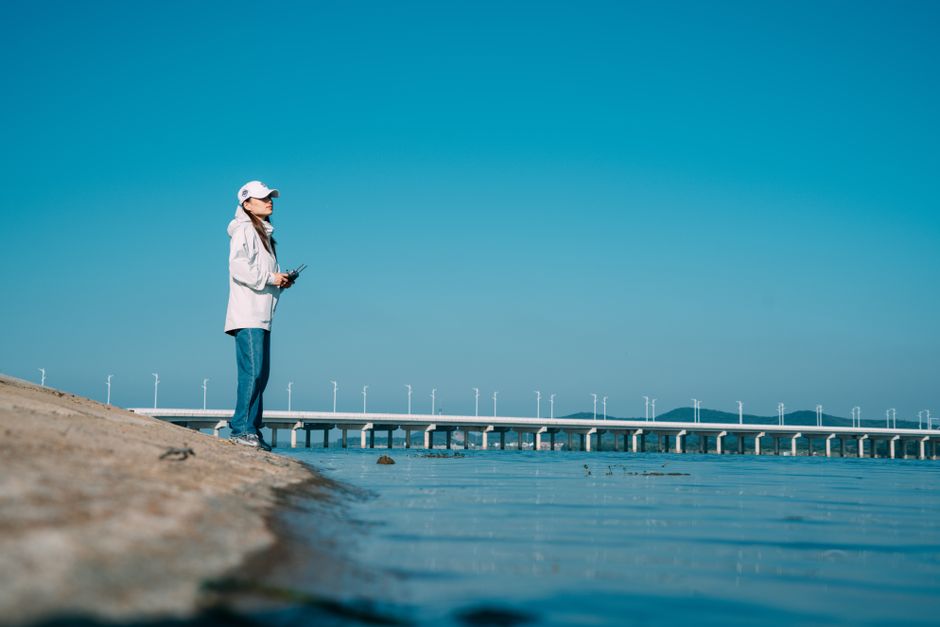
Verdict: the Patagonia Capilene Cool Daily Shirt paired with stretch water-resistant pants is the most balanced starting point for a mixed fishing trip. It handles boat spray, repeated casting, and a warm afternoon better than cotton. It also works as a casual travel shirt, which gives it more value than a specialized fishing jersey.
Build the upper half around drying time
The Patagonia Men’s Capilene Cool Daily Shirt lists at about $49 and weighs 128 grams in the men’s version. It has stretch, quick-drying fabric, and odor control. Those details matter after a wet deck or a long drive because the shirt can often dry overnight when hung in moving air. A long-sleeve sun shirt is the better choice for exposed flats or high-altitude lakes, even when short sleeves feel cooler at the dock.
Skip a thick cotton T-shirt as your main layer. Cotton absorbs sweat and spray, then stays cold against the skin when the wind picks up. If you prefer a natural fiber for travel, use it for the evening meal rather than the boat.
Choose bottoms that move around the boat
The KÜHL Renegade Pant lists at about $109 and uses four-way stretch nylon with a water-resistant finish. Its flexible cut suits casting, climbing onto a boat, and driving between spots. For hot weather, a pair of quick-dry shorts with a 7- to 9-inch inseam is more practical, but long pants provide better protection from sun, insects, and rough gunwales.
Wear low-profile, non-marking shoes with a secure heel on deck. Keep a second dry pair in the vehicle. Do not wear new shoes for the first time on a fishing trip; hot spots become painful when there is no nearby store. Add a brimmed hat, polarized sunglasses, and a lightweight rain shell. The completed fishing outfit costs less to maintain when every piece can serve travel, hiking, or casual use after the boat returns.
Golf outfit ideas that look polished and still move
Verdict: use one collared performance shirt, neutral stretch shorts or trousers, and a structured sun hat; that combination offers the safest balance between course rules and comfort. Golf clothing fails when it looks like gym wear or restricts the shoulder turn. The target is clean, quiet, and flexible.
Make the shirt do two jobs
FootJoy’s Solid TourLisle golf shirt lists at about $80. TourLisle fabric is designed for stretch and moisture management, so it can handle a warm round without looking like a technical fishing top. Pack one navy, charcoal, or pale blue polo. These colors work at breakfast, on the course, and at a casual dinner.
Check the course policy before packing only shorts. Some private clubs require trousers, and certain facilities restrict cargo pockets, denim, large logos, or non-collared tops. A lightweight belt and a clean pair of trousers remove most dress-code disputes before they begin.
Protect the head and feet
The Titleist Tour Performance Hat lists at $40 and includes UPF 50 protection, four-way stretch material, and a moisture-wicking sweatband. It is a strong golf choice because the structured front looks more finished than a soft novelty cap, while the adjustable closure handles changing hair or headwear layers.
FootJoy Dormie 9-inch shorts list at about $90 and offer a conventional golf length with enough room for a full stride. Choose them for warm courses with relaxed rules. Choose trousers instead when morning temperatures are below 60°F, rain is likely, or the club has a formal policy. Wear golf shoes with a stable sole rather than running shoes if the course is wet. The clear winner for a two-sport trip is one dark polo, one neutral bottom, one quarter-zip, and one clean hat that can repeat across two rounds.
A four-day packing plan keeps the bag small
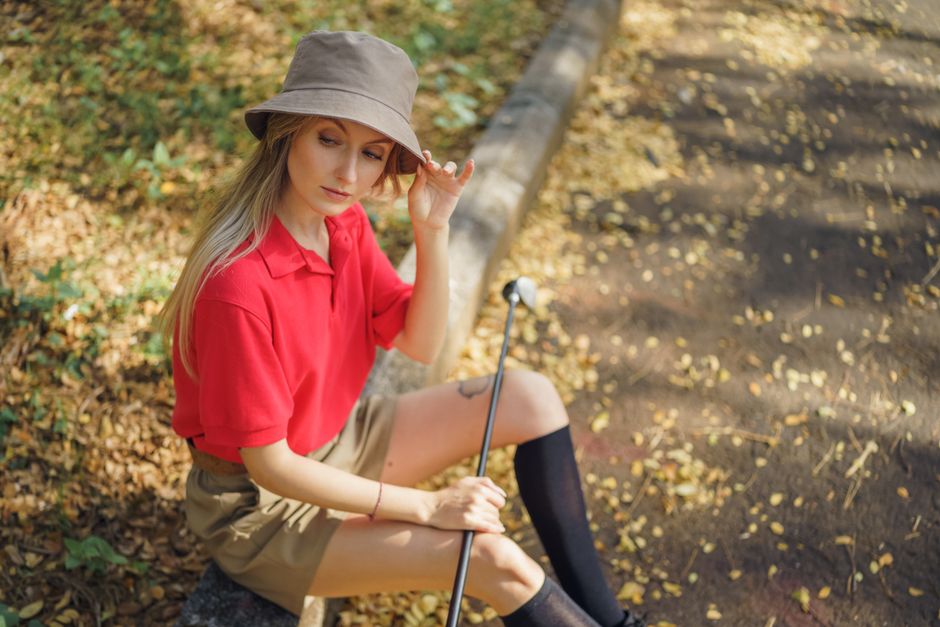
Verdict: pack two bottoms, three performance tops, and two weather layers. That ratio gives enough combinations for a fishing day, two golf rounds, and travel without filling a checked bag with duplicates.
Use the repeatable capsule
| Item | Quantity | Primary use | Replacement rule |
|---|---|---|---|
| Quick-dry short-sleeve tops | 2 | Fishing, travel, warm golf day | Wash one after heavy sweat |
| Long-sleeve sun shirt | 1 | Boat, high UV, cool morning | Use a second short-sleeve top if shade is constant |
| Collared performance polo | 1 | Golf and casual dinner | Choose a second polo for two formal rounds |
| Stretch shorts | 1 | Warm golf or travel | Use only where course rules allow shorts |
| Stretch trousers | 1 | Cool golf, dinner, travel | Pick water-resistant fabric for wet forecasts |
| Light quarter-zip | 1 | Early tee time and evening | Replace with a fleece below 50°F |
| Rain and wind shell | 1 | Boat spray and sudden showers | Do not replace with a cotton sweatshirt |
Pack by activity, then remove duplicates
Lay out one fishing set and one golf set before placing anything in the bag. If both sets contain a black shirt, keep the lighter and faster-drying one. Wear the bulkiest shoes during travel and put a pair of dry socks in a waterproof pouch. Bring at least two pairs of activity socks for each full day on the water or course; wet feet create more trouble than a wrinkled shirt.
For a four-day trip, this capsule can fit in a carry-on if you wash one top in the sink on night two. The strongest packing decision is not a new garment. It is refusing to pack a separate outfit for every photograph, meal, and forecast.
Buying mistakes that ruin outdoor travel outfits
Verdict: do not buy a single-purpose outfit until you have tested the fit through a casting motion, a golf swing, and a seated drive. Marketing photos rarely show the pressure points that appear after six hours outdoors.
Five checks before you pay
- Test shoulder reach. Raise both arms, rotate your torso, and mimic a cast. A tight armhole will become a problem on the boat and at the tee.
- Check pocket security. Loose pockets drop keys and rangefinders when you sit. Use zippered or deep pockets for travel documents and small gear.
- Inspect drying claims. Look for fabric content and care instructions. A shirt that requires low heat or hangs dry may not suit a rushed hotel turnaround.
- Measure the inseam. Golf shorts that are too short may violate club rules; fishing pants that are too long can catch on deck hardware.
- Read the return policy. Try every garment indoors before removing tags. Some sale items cannot be returned, and an online fit mistake becomes expensive when departure is close.
Know when not to buy the expensive option
Do not buy a $200 technical jacket for a dry-weather trip if a $60 wind shell covers the forecast. Do not buy waterproof pants for a hot, calm lake when breathable stretch trousers will stay cooler. A high price does not guarantee better movement, better fit, or better course access.
The right upgrade is the one that removes a known failure: wet pockets, poor sun coverage, chafing, or restricted movement. If a garment cannot solve one of those problems, keep the money for a second dry pair of shoes or an extra night of travel insurance.
What clothing covers—and what trip insurance excludes
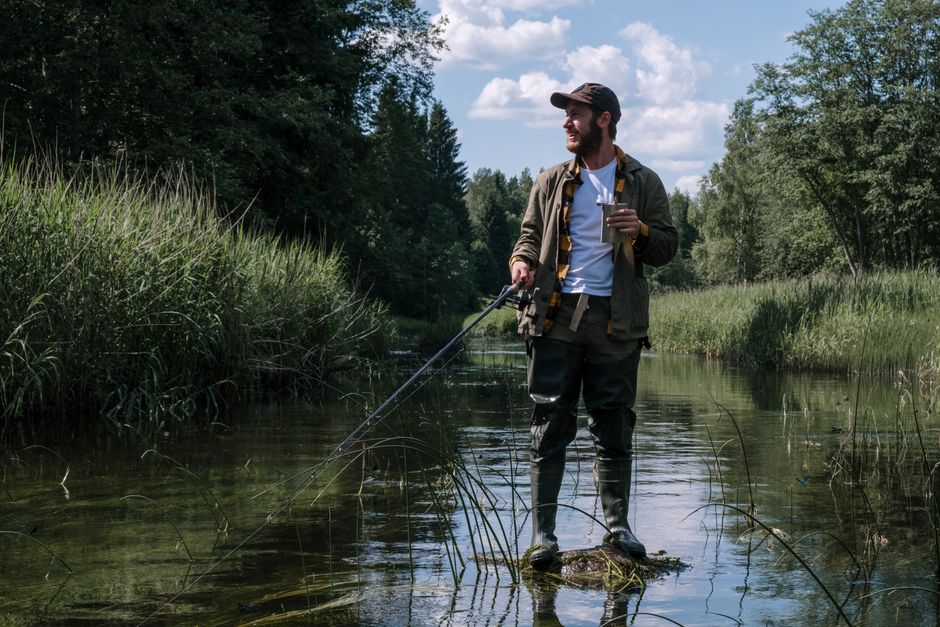
Verdict: treat clothing as comfort equipment, not financial protection. A rain shell can keep you dry, but it will not cover a canceled charter, lost clubs, or a stolen bag. That distinction matters on an expensive fishing and golf trip.
What should you check before departure?
Review trip-cancellation, baggage, sports-equipment, and rental-equipment clauses separately. Many policies exclude unattended gear, normal wear, weakly documented losses, or activities listed as hazardous. A standard baggage limit may also be too low for clubs, rods, reels, electronics, and clothing combined. Keep receipts, photograph packed equipment, and ask how the policy treats checked sports gear.
How do you compare protection fairly?
Use AM Best financial-strength grades as one stability check and J.D. Power satisfaction scores as one service signal, but neither replaces a policy reading. Premiums vary by state and individual factors, including age, destination, trip cost, medical history, and selected limits. State-specific coverage requirements can also apply to certain insurance products, so confirm the rules where you live before purchasing.
Get multiple quotes and compare exclusions line by line. The cheapest premium may leave fishing equipment outside the baggage limit or exclude a missed tee time caused by a delayed flight. For clothing itself, buy only what the forecast and activity require. For the trip, choose protection based on the money you cannot comfortably replace. Outdoor travel clothing is moving toward lighter fabrics and more flexible designs, but the smartest packing principle will remain steady: buy for the conditions you will face, not the image printed on the label.