
Kayak Camping for Beginners: How to Pack for an Overnight Trip
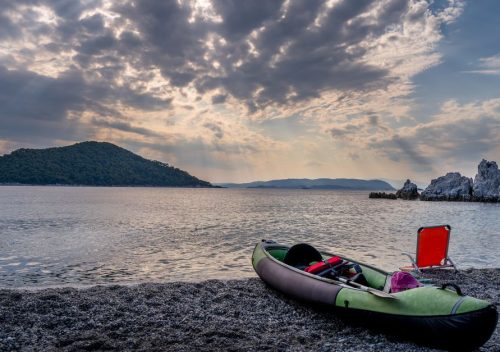
You push off at 9 a.m. with a tent, sleeping bag, stove, food, and too much confidence. By noon, the kayak feels twitchy.…
You push off at 9 a.m. with a tent, sleeping bag, stove, food, and too much confidence. By noon, the kayak feels twitchy.…

Many campers who live near cities have rarely seen the Milky Way clearly. A camping trip can change that, but only if you…
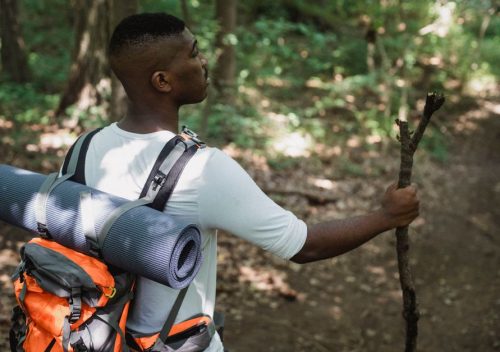
What sleeping bag temperature rating should you choose when autumn nights can fall from 45°F to near freezing? The safest answer is to…
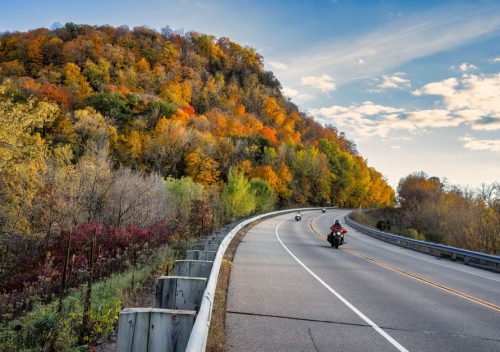
A fall foliage road trip works best when the drive and the hike share the same pace. Choose a scenic road with one…
Camping with dogs requires leash planning, shade, water, cleanup, and respect for nearby campers.
Shore fishing improves with careful casting spots, simple tackle, shade, and patient timing.

Hammock camping works best with safe trees, wide straps, insulation, and a reliable rain tarp.

Campground etiquette helps neighbors share space, reduce noise, manage pets, and keep sites clean.
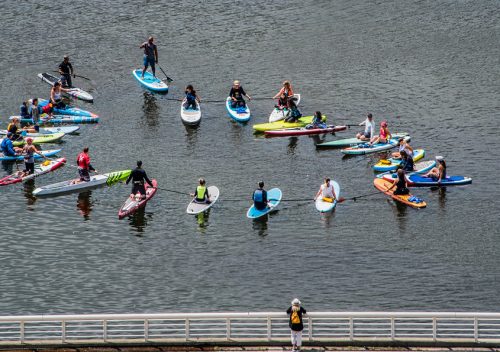
Paddleboarding is safer when beginners understand balance, weather, leash use, and return routes.
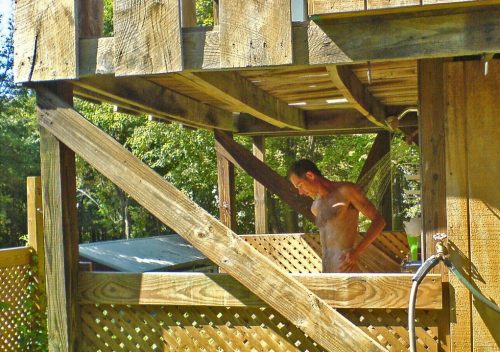
A good tent site balances drainage, wind protection, privacy, distance, and safety.