
Ehukai Pillbox Hike – Do’s and Don’t’s
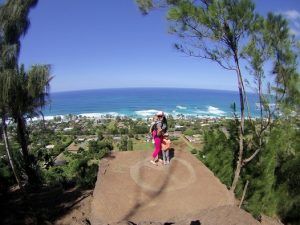
Should you bother with the Ehukai Pillbox Hike on your North Shore day?
Short answer: yes — but not the way most people approach it. It’s one of the better short hikes on Oahu, with direct views of Sunset Beach and the Banzai Pipeline below. It’s also a trail that sends underprepared visitors back early with scraped palms, overheated legs, and occasionally a parking ticket. Here’s what changes that outcome.
What the Ehukai Pillbox Trail Is Actually Like
The hike sits on Oahu’s North Shore near Sunset Beach Elementary School, accessed off Ke Nui Road. It follows a ridge to two WWII-era military observation bunkers — the pillboxes — covered in colorful graffiti murals. From the top, you’re looking directly down at Ehukai Beach Park and the famous Pipeline break offshore.
Total distance: 1.4 miles round trip. Elevation gain: roughly 400 feet. Most people finish in 45 to 90 minutes, depending on pace and how long they linger at the summit.
Distance, Elevation, and What “Moderate” Really Means
The elevation gain is front-loaded. The first 0.5 miles do most of the climbing. The trail starts gently through low brush, then steepens fast. By the time you hit the first rope-assist section, you’ve been going uphill with no shade and full sun exposure if you timed your start poorly.
“Moderate” is an accurate difficulty label, but it hides one thing: the entire route is exposed. A 75°F morning at sea level becomes noticeably different on an open ridge at 10am in Hawaiian UV. The rating assumes reasonable fitness, closed-toe shoes, and enough water. Remove any one of those conditions and the trail earns a harder label.
The Scramble Sections Nobody Warns You About
Two rope-assist sections exist on the trail. The first is the longer one — roughly 25 feet of steep red volcanic dirt where the knotted rope does real work, not decorative duty. The second is shorter and less demanding. Neither requires technical climbing, but both require upper body engagement and footwear that actually grips.
On dry trail, most adults handle these sections without much trouble. On wet red dirt, the math changes entirely. The volcanic soil becomes close to wet clay — no traction, no forgiveness. If it rained the previous evening, the scramble sections are genuinely difficult. More on that timing below.
What Waits at the Top
Both bunkers are open and climbable. Both are painted with murals ranging from elaborate street art to casual tagging. The first pillbox sits directly above Sunset Beach with a clean sightline to the water.
The second pillbox, a few minutes further along the ridge, has a wider view that extends toward the Waianae Range. Most people stop at the first and miss the better angle. Push the extra 10 minutes. It’s the same effort, better payoff.
Bottom Line: Short, steep, exposed, no shade, and genuinely rewarding at the top. The trail’s casual reputation is oversold by people who hiked it at 7am on a perfect day without mentioning those specific conditions when they recommended it to you.
The Packing List That Matters on This Trail
No vendors. No water stations. No shade. What you carry in is everything you have for the entire hike. The following is specific to Ehukai — not a copy-paste Hawaii hiking checklist.
The 6 Things That Aren’t Optional
- Water — more than you think. Minimum 32 oz per person for an early morning hike. 48 oz if you’re starting after 9am or temperatures are elevated. The Hydro Flask 32 oz Wide Mouth ($45) keeps water cold for hours on an exposed ridge — a real difference at mile 0.7 in direct sun. A single-use bottle from a gas station works technically, but expect it warm by the time you need it most.
- Sunscreen at SPF 50 minimum. Apply before you leave the car, not at the trailhead. Neutrogena Ultra Sheer SPF 100+ ($12) is lightweight, compact, and holds up under sweat. Hawaii’s UV index runs high year-round. Apply once at the car, reapply at the first pillbox before continuing.
- Closed-toe shoes with a rubber lug sole. Trail runners or light hiking shoes. Not sandals. The footwear section covers this in full — the short version is that the rope-assist sections are not walkable in flip flops without real risk.
- A brimmed hat or buff. Direct sun on an exposed ridgeline for 45-plus minutes without head protection is how headaches and early turnarounds happen. This matters more on Ehukai than on most other short hikes on the island specifically because there’s no tree cover anywhere on the route.
- Phone, charged, with AllTrails loaded. The AllTrails app (free tier) has the Ehukai Pillbox trail mapped with distance markers. Cell signal is reliable at the summit. More usefully, check the last 7 days of user reviews before leaving — post-rain trail conditions show up in AllTrails notes faster than anywhere else, often within hours of the weather clearing.
- A small snack if you run slow. Not mandatory for most adults on a 90-minute hike. But if your blood sugar dips, there’s nowhere to refuel between the trailhead and your car.
What to Leave Behind
Heavy camera gear is awkward on the rope sections and easy to drop. A phone camera captures the same Sunset Beach shots without the bulk or the risk. Trekking poles help on the descent and are worth bringing if you own them, but they aren’t necessary for a 1.4-mile route.
Leave valuables in your hotel, not in the rental car. Break-ins at North Shore trailhead areas are not rare. A visible camera bag or laptop case is an invitation. Keep the car visually empty.
Timing the Hike: When to Go and When to Skip It
When you start matters more on this trail than most visitors expect. The table below maps the key variables across different start windows and seasonal conditions.
| Start Time / Condition | Temp Range | Crowd Level | Trail Status | Verdict |
|---|---|---|---|---|
| 6:00–8:00am | 72–76°F | Low | Dry, firm, cool | Best window |
| 8:00–10:00am | 77–82°F | Moderate | Good, warming up | Still fine |
| 10:00am–1:00pm | 83–88°F | High | Hot, exposed | Doable, not ideal |
| After 1:00pm | 85–90°F+ | Lower | Peak heat, no trade wind | Skip it |
| Post-rain (same day) | Any | Low | Slippery red volcanic dirt | Wait 24 hours |
| Winter months (Nov–Feb) | 68–74°F | Variable | More rain probability | Check forecast morning-of |
The Morning Advantage Beyond Just Temperature
Parking on Ke Nui Road fills by around 8:30am on weekends. A 6:30am arrival means a spot within two minutes of the trailhead. A 10am arrival on a Saturday means street parking wherever you can find it — sometimes a 10-minute walk each direction from the car, on a hot road, before you’ve even started the hike.
The trade wind cooling that makes the exposed ridge tolerable typically fades by late morning. By noon, the ridgeline is radiating heat with no breeze to offset it. The morning light over the coastline is also sharper and more photogenic before the midday glare washes it out. The same trail at 7am and at noon are physically different experiences. Not slightly different — noticeably different.
The Rain Rule
If it rained the night before, wait a full 24 hours. The red volcanic dirt that photographs so well becomes close to wet clay after rainfall. The rope sections in particular lose their utility — you’re pulling yourself up a slick surface with no reliable footing below your feet. It’s not a dramatic risk for experienced hikers, but it’s an unnecessary one when the trail is perfectly safe the following morning.
Check the National Weather Service Honolulu forecast the evening before your planned hike. Cross-reference with recent AllTrails user reviews for same-day condition reports from other hikers.
Bottom Line: The 6–8am window hits all the right variables simultaneously: cool air, reliable trade winds, available parking, and the best light on the coastline. Post-rain and post-noon are the two conditions worth skipping outright.
The Footwear Mistake Most Visitors Make
Flip flops on the Ehukai Pillbox trail are the wrong call. This doesn’t require nuance or hedging.
The trail surface mixes loose gravel, exposed rock, hard-packed red dirt, and the rope-assist scramble sections. Sandals offer no ankle support, no grip on loose volcanic surfaces, and no protection when a foot contacts a sharp rock edge — which it will, on a trail this varied. Every busy weekend on the North Shore, someone descends the rope section in sandals, slips, and catches themselves with their palms on the way down. Canvas sneakers with flat rubber soles perform only slightly better on the steep sections.
What Actually Works
Trail runners handle this trail well. The Hoka Speedgoat 5 ($145) has aggressive lug soles engineered for mixed dirt and rock — it grips red volcanic soil in both dry and damp conditions better than most options at the price point. Worth it if you’re doing multiple hikes across a Hawaii trip and want one pair that handles everything.
The practical choice for most visitors is the Merrell Moab 3 ($120) — a mid-cut hiking shoe available at most outdoor retailers, including on Oahu before you head to the North Shore. Its Vibram outsole grips the red dirt effectively. The mid-cut design adds ankle support on the rope sections without the bulk of a full boot. If you want one pair of shoes that handles North Shore hiking without looking out of place at dinner in Haleiwa, the Moab 3 is the call.
Already own trail runners from home? Bring them. The Ehukai trail does not require a gear purchase. But if your only footwear option is sandals or flat-soled canvas shoes, sort that out before leaving Honolulu — the North Shore has limited outdoor retail options and no gear rentals at the trailhead.
On the Descent
Most slips happen going down, not up. The steep rope sections feel manageable on the ascent because you’re moving slowly and the rope supports your weight. The descent asks more of your knees and relies more on your outsole grip holding on steep dirt. Lean back slightly, take shorter steps than feels natural, and don’t rush the bottom section. Tired legs on a steep dirt trail are where even good footwear gets tested.
Bottom Line: Merrell Moab 3 or Hoka Speedgoat 5 for dedicated hikers. Any closed-toe shoe with a rubber lug sole works for casual visitors. Sandals are a skip regardless of brand or price. The rope sections are actual terrain, not a photo backdrop.
Honest Answers to the Questions People Actually Have
Is There Parking at the Trailhead?
No dedicated lot. Street parking on Ke Nui Road near the trailhead access point is the standard option — roughly 10 to 15 spots in the immediate area before overflow begins. On busy weekend mornings, those fill by 8:30am.
Parking enforcement near this trail is real. Some residents have called tow trucks on visitors who parked in front of private driveways or on private property near the trail access. Read every sign before leaving the car. If the close spots are full, park legally along Kamehameha Highway and walk. The extra 10 minutes round-trip beats a tow bill and the hassle of retrieving the car from an impound lot on the North Shore.
Can Beginners Handle This?
Yes, with the right preparation. Most reasonably fit adults can complete the 1.4-mile round trip without issues. The rope sections require upper body engagement — a genuine surprise for people expecting a walking trail. Budget extra time and extra water if you haven’t hiked recently.
The Lanikai Pillbox Hike on Oahu’s Windward side is the honest alternative worth knowing. It covers similar terrain — ridgeline, WWII bunkers, ocean views — with a slightly different character and often less weekend crowding than Ehukai. It’s not a downgrade. It’s a different trail with a different coastline. If the North Shore doesn’t fit your day’s itinerary, Lanikai is the direct substitute.
What About Kids?
Kids comfortable on uneven terrain who can follow directions at rope sections can manage the hike. General practical guideline: ages 8 and up for the scramble sections. Carry extra water for children — they underestimate thirst on exposed trails more reliably than adults. The descent requires close attention; small legs tire faster going downhill than parents typically anticipate.
For younger children or families not ready for scramble terrain, the Makapu’u Lighthouse Trail on Oahu’s southeast coast is a paved, stroller-accessible alternative with comparable coastal views. No rope sections, no red dirt, no scrambling required. Different character entirely, but the ocean views and whale-watching potential in winter make it a genuine recommendation rather than a consolation.
North Shore ridge hikes are drawing more visitors each year as word spreads beyond the surf crowd. What currently feels like a quiet early-morning trailhead could look very different within a few years — more foot traffic, potential permit systems, possibly regulated access windows. The conditions that make Ehukai straightforward to visit right now are not guaranteed to stay that way.
Leave a Reply