
A Clean Sustainable Kitchen
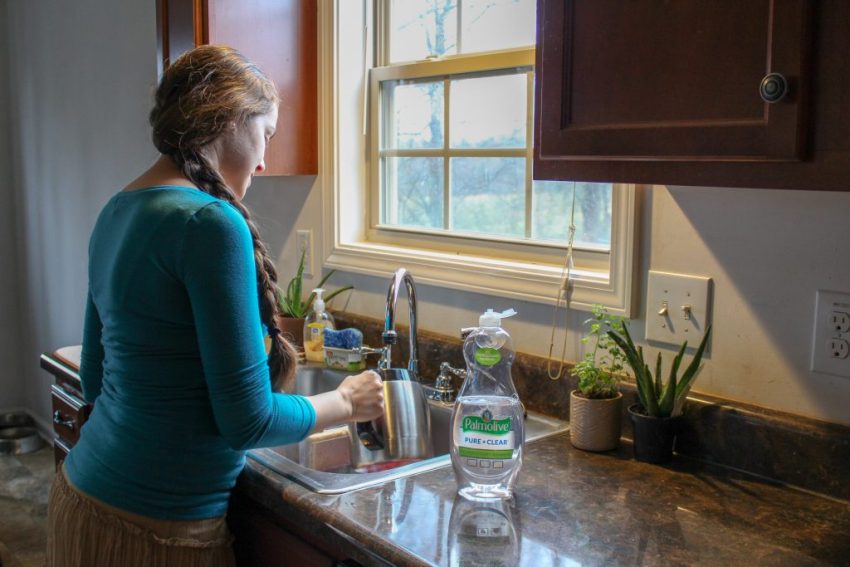
Three years ago I rented a flat in Copenhagen for a month. The host had left a bamboo dish brush, a block of concentrated soap, and a stack of Swedish dishcloths folded by the sink. No paper towel roll. No sponge. No six half-empty cleaning bottles under the cabinet.
The kitchen stayed cleaner than mine at home — and I never ran out of anything the entire month.
I came back and started replacing things, one at a time, as they wore out. Not with whatever Amazon labeled eco-friendly. I tested products, threw out the ones that didn’t work, and landed on a setup that’s simpler, cheaper over time, and genuinely less wasteful. Here’s the exact list, with prices and an honest verdict on each.
The Swaps Worth Making First
Replace things as they run out. Don’t throw away a working sponge to buy a bamboo brush — wait until it wears out, then upgrade. These seven switches had the most impact on my trash volume, my cleaning routine, and my monthly spending on kitchen supplies.
Swedish Dishcloths Instead of Sponges and Paper Towels
A kitchen sponge holds more bacteria per square centimeter than almost anything else in your home. Studies have documented over 360 bacterial species in used kitchen sponges — including strains that survive boiling. They’re impossible to truly sanitize, and most people replace them every two to four weeks anyway.
Skoy cloths ($7 for 4) and Wettex Swedish dishcloths ($9 for 3) do the work of both sponges and paper towels in one product. They air-dry fast between uses, survive dozens of dishwasher cycles, and last six to twelve months per cloth. The math: one four-pack of Skoy at $7 versus $8–10 per month on paper towels and $3–4 on replacement sponges. You break even within three weeks.
My pick: Skoy for slight scrubbing texture, Wettex for softer and more absorbent use on spills.
Bamboo Dish Brush for Heavy Scrubbing
Full Circle’s Tenacious C brush ($9) has stiff plant-based bristles that handle cast iron, baked-on food, and anything I used to attack with a plastic scrubber. The head detaches when worn out — the bamboo handle composts, and Full Circle sells replacement heads separately. This has lived next to my sink for eighteen months without degrading.
Bee’s Wrap Instead of Cling Film
Bee’s Wrap ($18 for a 3-pack of assorted sizes) is beeswax-coated cotton that sticks to itself using the warmth of your hands. Covers bowls, wraps half-cut vegetables, keeps cheese from drying out. Wash in cool water with a little dish soap, air-dry, repeat — one wrap lasts about a year with daily use.
One real limitation: skip it for raw meat. The warmth needed to seal it isn’t ideal for bacteria control on raw protein. Use a plate with a lid for that. For everything else I was using cling film for, it’s a direct replacement.
Vegan alternative: Abeego ($16–22) uses plant-based wax and performs identically.
Stasher Silicone Bags Instead of Zip-Locks
Stasher bags ($11–15 each depending on size) are food-grade silicone that seal properly. Dishwasher-safe, freezer-safe, microwave-safe, and can be submerged in boiling water for sous vide. I use them for freezing leftovers, snacks, and marinating meat.
The upfront cost is real — a full set of four different sizes runs $50–60. But I’ve had my first set for over two years with zero degradation. At roughly ten zip-lock bags a week, these pay for themselves in under a year.
Countertop Compost Bin
The OXO Good Grips Compost Bin ($25) sits on my counter and holds about a week of food scraps without any detectable odor, thanks to a built-in charcoal filter. This single change cut my kitchen trash volume by roughly half. If you have any outdoor composting access — a garden, a community bin, a municipal food scrap pickup — this is the easiest change on the entire list.
Solid Dish Soap Instead of Liquid in Plastic
Meliora Dish Block ($8 per bar, lasts two to three months with daily use) is a concentrated solid soap. Rub your brush or cloth on the bar, scrub, rinse. Zero plastic packaging. Full ingredient transparency. Cuts grease as well as Dawn. The lather is thinner — it took me about a week to stop reaching for more — but the actual cleaning result is identical. I won’t go back to liquid in a plastic bottle.
Metal or Cloth Coffee Filter
Hario’s cloth coffee filter ($10) eliminates paper filters entirely for pour-over setups. For drip machines, a stainless mesh filter runs $8–12 and fits most common models. I use an Aeropress with the Fellow Prismo attachment — the full setup runs around $60, creates zero disposable waste per brew, and makes better coffee than my old drip machine ever did.
Cleaning Products That Actually Clean
Plant-based and biodegradable mean almost nothing legally in the United States. I’ve spent money on sprays that smell expensive and leave a film on my stovetop. Here’s what actually works, why I trust it, and who should buy what.
Branch Basics: Best for Households With a Home Base
The Branch Basics Starter Kit ($69) includes four glass spray bottles and one 33oz bottle of concentrate. That single bottle makes approximately 26 bottles of all-purpose cleaner, 9 bottles of bathroom spray, and multiple laundry loads — at different dilution ratios labeled on the bottle. Per clean, it’s cheaper than anything you’d grab off a grocery shelf.
What earns my trust beyond the price: Branch Basics publishes every ingredient, including fragrance components. Most cleaning products hide behind the catch-all label fragrance, which can legally conceal dozens of individual chemicals without disclosure. Branch Basics doesn’t do that. I’ve used it on my stovetop, inside my fridge, on sealed wood surfaces, and on tile grout. Works on all of them without residue.
The glass bottles are solid. The spray triggers are plastic and not indestructible — I’ve replaced one trigger head in two years, which cost $4 separately. That’s my only complaint.
When not to get Branch Basics: if you’re frequently traveling or moving between short-term rentals, hauling glass bottles isn’t practical. Blueland is the right answer for that.
Blueland: Best for Travelers and Renters
Blueland’s Clean Essentials Kit ($29) gives you three refillable plastic spray bottles and cleaning tablets. Drop a tablet in the bottle, add tap water, wait two minutes. The tablets are small enough to pack in a toiletry bag — I’ve taken a month’s supply across three countries. Refill tablets cost $2–3 each. The bottles last indefinitely.
Cleaning performance is strong for everyday surfaces. On heavy stovetop grease, it falls slightly behind Branch Basics — I noticed the difference only when testing them side by side. In normal daily use, you wouldn’t know.
When Seventh Generation Is Enough
Seventh Generation dish soap ($4–5) is my backup when I’ve run out of everything else. Genuinely effective, better ingredient profile than most conventional brands, available in every grocery store. Method’s cleaning sprays are in the same tier. Neither is a bad choice. But both come in new plastic bottles every time you buy them — which is exactly the cycle that concentrate-and-refill models break. Use them as entry points, not permanent fixtures.
Food Waste Is the Sustainability Problem Most Kitchens Ignore
Roughly 30 to 40 percent of food purchased in American households ends up in the trash. Rotting organic matter in landfills generates methane — a greenhouse gas around 80 times more potent than CO2 over a twenty-year window. No beeswax wrap or bamboo brush offsets buying produce you throw out half of every week.
This is the part most sustainability guides skip, because there’s nothing aspirational to photograph. The environmental impact of reducing food waste outweighs every product swap on this list combined.
The Planning Habit That Actually Works
I spend ten minutes on Sundays identifying what I’ll cook during the week — not a rigid schedule, just enough to know what I bought things for. I also keep a designated visible spot in my fridge for items that need to be eaten first. Invisible food is wasted food. When you can see it at eye level, you eat it.
Buying from bulk bins for grains, nuts, legumes, and spices removes the problem of half-empty bags going stale in a cabinet. You buy exactly what you need, which forces more frequent restocking and less accumulation. Less in, less wasted.
Freeze Before It Turns, Not After
Produce approaching the end of its useful life — soft herbs, leafy greens, overripe fruit, cooked grains — can be frozen and used later in soups, smoothies, sauces, and grain bowls. The same goes for bread before it molds and full meals before you lose interest in eating them. The freezer is the most underused tool in most kitchens. The only rule: freeze before it turns, not after it already has.
Real Costs vs. What These Products Replace
The upfront numbers look steep. Here’s what they actually compare to on a monthly basis, once the initial investment is behind you.
| Product | Replaces | Upfront Cost | Est. Monthly Cost | Conventional Monthly | Verdict |
|---|---|---|---|---|---|
| Skoy cloths (4-pack) | Sponges + paper towels | $7 | ~$0.60 | $11–14 | Buy first |
| Bee’s Wrap (3-pack) | Plastic cling film | $18 | ~$1.50 | $3–5 | Buy first |
| Stasher bags (set of 4) | Zip-lock bags | $50–60 | ~$2 | $5–8 | Worth it over time |
| Branch Basics kit | All surface cleaners | $69 + ~$20/refill | ~$3–4 | $15–20 | Best long-term value |
| Blueland Clean Kit | All surface cleaners | $29 + $2–3/tablet | ~$2–3 | $15–20 | Best for travelers |
| Meliora Dish Block | Liquid dish soap | $8/bar | ~$2.50 | $4–5 | Strong pick |
| OXO Compost Bin | Food scraps in trash | $25 | ~$0 | N/A | Essential with outdoor access |
| Full Circle dish brush | Plastic scrubbers | $9 | ~$0.75 | $2–3 | Good, not exceptional |
Running everything together after the initial investment: around $12–15 per month. Most households spend $25–40 monthly on paper towels, sponges, cleaning sprays, and plastic bags combined. The sustainable version costs less to run. The only real barrier is the upfront purchase — which you eliminate by replacing things one at a time as they wear out.
When the Eco Label Is the Whole Product
Bamboo cutting boards are frequently laminated with adhesives that crack within a year of real kitchen use — a solid hardwood board at any price point outlasts three of them. Compostable plastic bags require industrial composting facilities to break down; dropped in a home bin or a landfill, they behave exactly like conventional plastic. And any reusable product you end up replacing every six months was never more sustainable than what it replaced.
Durability is the only metric that actually matters. A well-made conventional product used for a decade beats a fragile green-labeled version replaced three times in the same period. Check the build quality before the material claim.
Priority order for getting started:
- First buy: Skoy or Wettex cloths, Meliora Dish Block, Bee’s Wrap — under $35 combined, immediate reduction in weekly trash
- Next: OXO compost bin, Full Circle dish brush, reusable produce bags — another $40–50
- Bigger commitment: Branch Basics kit (home base) or Blueland kit (travelers), Stasher bags added gradually as old zip-locks run out
- Skip entirely: bamboo laminate boards, compostable plastic bags, any cleaner that won’t disclose its full ingredient list



Leave a Reply