How to Choose a Sleeping Bag Temperature Rating for Autumn
What sleeping bag temperature rating should you choose when autumn nights can fall from 45°F to near freezing? The safest answer is to shop by the coldest realistic overnight low, then use the bag’s comfort rating rather than trusting the rounded number in its name.
What Do Comfort, Lower Limit, and Extreme Ratings Mean?
Choose the comfort rating when warmth and sleep quality matter more than saving a few ounces. ISO-tested bags use several temperature points, and each one describes a different risk level. The rating is useful evidence for comparing bags, but it is not a guarantee that every camper will feel warm at that temperature.
Comfort rating is the conservative shopping number
The comfort rating is the lowest temperature at which an average cold sleeper should remain comfortable while wearing a base layer and socks. It is the right reference point for people who often wake with cold feet, women who tend to sleep cold, older campers, and anyone expecting damp or windy conditions. If the forecast says 34°F, a bag with a 30°F comfort rating gives you a reasonable margin. An ISO or EN label makes the comparison more useful across brands; comfort and lower-limit figures should never be treated as interchangeable.
Lower limit describes a warmer sleeper
The lower-limit rating is the lowest temperature at which an average warm sleeper may remain comfortable in a curled position. It assumes the person already sleeps warm and uses an adequately insulated sleeping pad. Treating this number as the normal target is the most common rating mistake. A 20°F bag with a 29°F comfort rating and an 18°F lower limit is not a 20°F guarantee for every person.
Extreme is an emergency number
The extreme rating concerns survival risk, not normal camping comfort. Do not choose an autumn bag by this figure. The practical verdict is simple: compare comfort ratings for a cautious purchase, and use lower-limit ratings only when you know you sleep warm and have a strong sleep system.
What Temperature Rating Is Best for Autumn Camping?
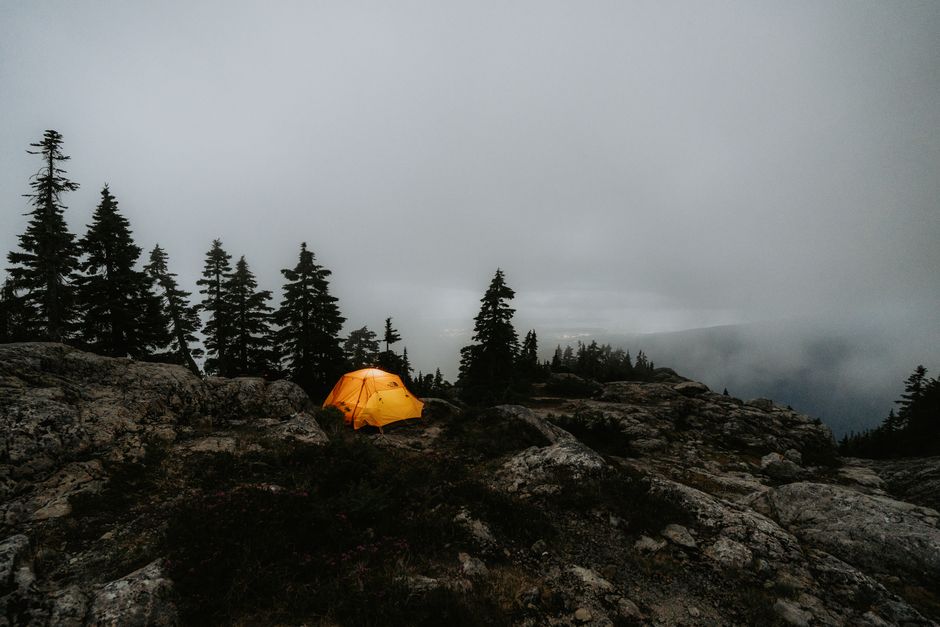
For most autumn trips, choose a bag with a comfort rating at least 5°F below the coldest overnight temperature you reasonably expect. If the forecast is uncertain, choose 10°F below it. That margin covers normal forecasting error, a damp tent, tiredness, and the heat lost through a weak sleeping pad.
Use the coldest realistic overnight low
| Expected overnight low | Recommended comfort rating | Best use |
|---|---|---|
| 50°F to 45°F | 40°F or lower | Warm early autumn nights and low-elevation camping |
| 44°F to 35°F | 30°F or lower | Typical September and October conditions |
| 34°F to 25°F | 20°F or lower | Late autumn, mountain valleys, and exposed campsites |
| 24°F to 15°F | 10°F or lower | Freezing conditions requiring winter-ready gear |
Do not plan around the daytime high
Autumn sun can make a campsite feel mild at 3 p.m. while the ground and air lose heat rapidly after sunset. Check the overnight low, wind, rain, elevation, and recent cold snaps. A forecast of 38°F at a sheltered town does not describe a windy ridge at 5,000 feet. The verdict: for a general three-season autumn bag, a 20°F comfort rating is the strongest all-purpose choice when lows may approach freezing; a 30°F comfort rating is enough for milder lowland trips.
How Should You Adjust the Rating for Your Body and Sleep System?
The sleeping bag is only one part of the thermal system. A warm bag on a thin pad can feel colder than a less ambitious bag on an insulated pad because the ground pulls heat from your back all night. Use this five-step check before buying.
Run the five-step temperature check
- Write down the coldest overnight low for the trip, not the average low.
- Subtract 5°F if you normally sleep warm and add 5°F to 10°F if you sleep cold.
- Choose the comfort rating at or below that adjusted temperature.
- Check that the sleeping pad has an R-value suitable for the same conditions; an R-value around 4 or higher is a sensible target near freezing.
- Confirm that the bag fits your height and shoulders without large empty pockets that your body must heat.
Account for the person inside the bag
Small differences in metabolism, body size, age, fatigue, hunger, and clothing can change comfort by several degrees. Cold feet are common because the foot box contains less insulation and receives less blood flow. A dry base layer, warm socks reserved for sleep, and a hat help, but clothing should add comfort rather than rescue an undersized bag. Do not sleep in damp hiking clothes; moisture reduces insulation and chills skin.
Account for the pad beneath the bag
The insulation under your body compresses, so it cannot loft like the insulation above you. A low-R-value summer pad can make a 20°F bag perform like a much warmer bag. The verdict is firm: if your autumn trips approach 32°F, upgrade the pad before buying an extreme-temperature bag to compensate for a weak foundation.
Should You Choose Down, Synthetic, Mummy, or Roomier Insulation?

For damp car camping, choose synthetic insulation; for dry backpacking, choose down. That is the clearest autumn tradeoff. Shape matters almost as much as fill because empty space takes longer to warm, while a tight cut can compress insulation and create pressure points.
Synthetic is the safer wet-weather choice
Synthetic insulation keeps more of its insulating ability after exposure to condensation, light rain, or a damp tent wall. It also dries faster and usually costs less. The tradeoff is weight and bulk.
Down wins when pack weight matters
Down compresses smaller and provides more warmth for its weight, but moisture management becomes part of the job. A lightweight down bag is the better choice for dry backpacking where every pound matters, not for campers who expect wet storage, frequent condensation, or careless packing.
Shape determines usable warmth
A mummy shape usually retains heat better than a wide rectangular bag. Roomier spoon-shaped designs suit side sleepers but may need more insulation to feel equally warm. The verdict: use synthetic and roomy construction for wet car camping, and use a close-fitting down bag for dry trips where weight and pack volume are decisive.
What Mistakes Make an Autumn Sleeping Bag Feel Colder?
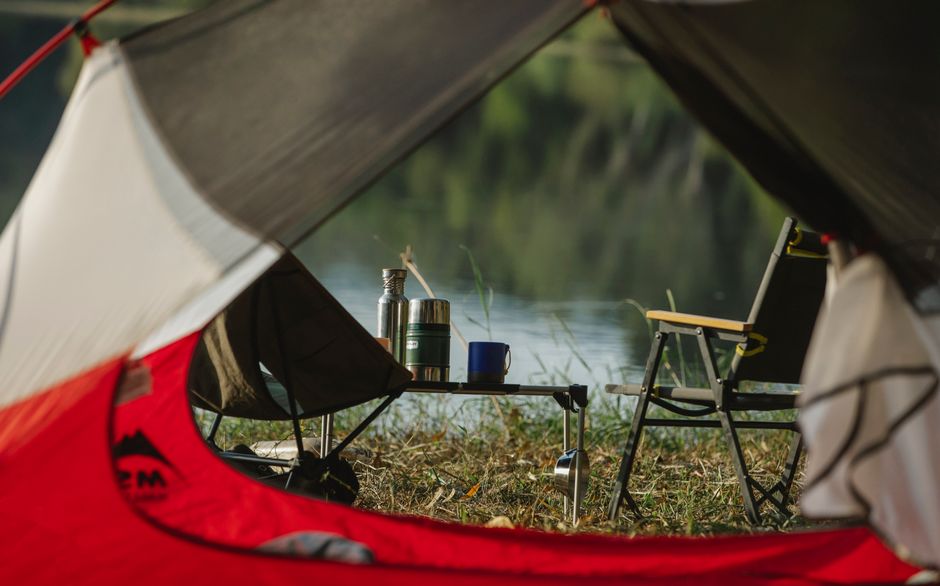
Most cold-night failures start outside the bag. The rating is only one part of the evidence. Check these failure modes before blaming the product.
Forecast and campsite mistakes
- Using the forecast for the nearest town instead of the actual elevation and campsite.
- Ignoring wind exposure, wet ground, frost, or a clear sky that allows rapid nighttime heat loss.
- Choosing a bag for the average autumn low when one unusually cold night could end the trip.
Sleep-system mistakes
- Pairing a cold-weather bag with a summer pad that has a very low R-value.
- Leaving a hood loose or failing to close the draft collar around the neck.
- Sleeping in a damp base layer or placing wet boots and clothing inside the bag.
Fit and care mistakes
A bag that is too short compresses insulation at the feet. A bag that is too wide creates a large air space your body must heat. A dirty or compressed bag also loses loft over time. Store it loosely in a large breathable storage sack rather than leaving it packed for months. The verdict: verify the forecast, pad, fit, moisture, and loft before deciding that a temperature rating failed.