Steelhead Fishing in Winter Rivers: Tactics for Cold Water
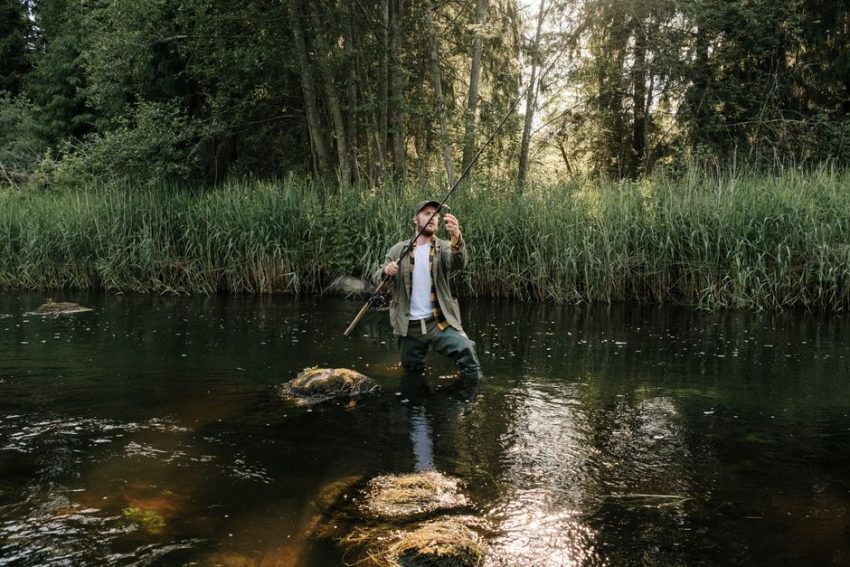
Can you still catch steelhead when a winter river is near freezing, running high, or stained by rain? Yes, but the plan changes. Cold water reduces a steelhead’s need to chase, so success usually comes from presenting a bait, fly, or lure inside a small zone where the fish can hold with little effort.
This guide focuses on river tactics rather than promises of guaranteed catches. The legal examples discuss Washington State rules only; Oregon, Idaho, British Columbia, and other jurisdictions publish separate regulations. This is not legal advice — consult a licensed attorney.
How to find winter steelhead holding water
Start with the slowest safe current
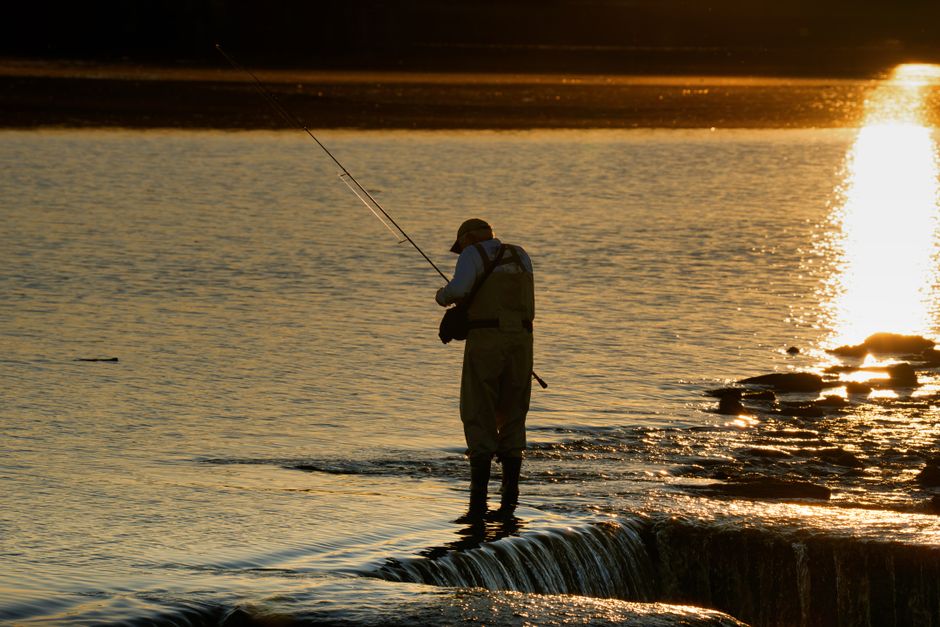
Walk the bank before making a cast. Look for water that is deep enough to provide security but slow enough that a fish can hold without constant effort. In many rivers, a productive starting zone is the lower third of a pool, the soft seam beside a tailout, or the inside edge of a bend. The exact depth varies by river, clarity, and flow, so treat these locations as a search pattern rather than a rule.
- Begin at the head of a pool and work toward the tailout without wading through likely holding water.
- Read the surface for foam lines, converging currents, and small patches of water moving at different speeds.
- Fish the near bank first. Winter steelhead often hold closer than anglers expect.
- Move only after covering the likely depth with a controlled presentation.
Use a grid instead of random casts
Divide each pool into near, middle, and far lanes. Cover the upper, middle, and lower parts of each lane. Change one factor at a time: first depth, then angle, then speed. This method tells you what caused a response. Randomly changing lure color, casting angle, and retrieve speed after every cast creates activity without useful information.
Wading deserves special caution. Cold water, slippery cobble, and rising levels create a legal and physical safety problem, not just a fishing problem. Stay on the bank when the crossing is uncertain. A fish is never worth a dangerous ford, and some rivers prohibit wading in specific areas.
How to control depth and speed in cold water
My clear preference is a slow, bottom-aware presentation that stays above the rocks. Winter steelhead often respond to a bait, fly, jig, or spoon that moves at the speed of the holding water. The goal is not to drag the offering along the bottom. The goal is to keep it close enough to enter the fish’s view without constant snagging.
Set the depth before changing the color
If the presentation is riding too high, add weight, use a longer leader, adjust the float, or choose a sinking line. If it hangs up every cast, reduce weight, shorten the drift, or fish a higher lane. Depth should be the first adjustment because a perfect color has little value when it passes several feet above a holding fish.
For a float presentation, begin with enough depth to place the offering near the lower part of the water column, then increase depth in small increments. For a fly, mend upstream to reduce drag and keep the fly moving at the pace of the seam. For a spoon or plug, slow the retrieve until the lure tracks steadily without spinning or racing out of the zone.
Use the current to create a natural drift
Cast slightly upstream or across the current, depending on the river layout. Keep contact with the line without pulling the offering across the seam. A controlled swing can work in moderate water, but a fast, tight swing often moves too quickly for a cold fish. If the line bows badly downstream, the offering may be drifting faster than the water and will look unnatural.
Do not treat every refusal as proof that the color is wrong. The fish may have seen the offering at the wrong depth, felt drag, or been unable to move because the presentation crossed the strongest current. Make the next cast more precise before reaching for a new box.
What winter steelhead tackle should do
Choose control over maximum casting distance
Winter rivers reward tackle that manages depth and pressure. A 9-foot to 10-foot spinning rod in a medium or medium-heavy power gives an angler enough reach for float and drift presentations. A 9-foot, 8-weight fly rod is a common starting point for larger rivers, sink tips, and weighted flies. The right setup is the one that allows accurate casts, clean hook sets, and safe pressure close to heavy current.
Examples of real equipment that fit these specifications include the Orvis Clearwater 9-foot 8-weight 4-piece fly rod and the Redington Path II 9-foot 8-weight 4-piece fly rod. Both are examples of general-purpose steelhead fly rods, not guarantees of performance. For spinning anglers, the Shimano Stradic FM C3000XG offers a compact reel format with a high-speed retrieve, while a 4000-size reel may provide more line capacity and leverage on larger rivers.
Protect the angler before protecting the gear
Breathable stockingfoot waders, a wading belt, felt or rubber soles suited to local rules, and layered insulation matter more than an expensive reel. The Simms Freestone Z Stockingfoot wader is an example of a front-zip design that can make layering and access easier. The Patagonia Swiftcurrent Expedition Zip-Front wader is another example aimed at anglers who want a front zipper and heavier expedition features.
Do not buy premium waders to solve a poor winter plan. If the trip involves long hikes, uncertain crossings, or freezing rain, the safer choice may be a bank-fishing route with lower exposure. Equipment improves control; it does not remove the risk of cold-water immersion.
What mistakes cost winter steelhead anglers fish
Q: Should I wade across the river to reach better water?
A: Usually not. Start with the bank you can reach safely and cover it thoroughly before considering a crossing. Winter rivers can have uneven bottoms, strong undertows, and sudden depth changes. If you cannot identify a safe route during low, clear conditions, do not attempt it during winter flow. A longer walk is usually a better trade than a risky ford.
Q: Why am I getting constant bottom snags?
A: Your offering may be too deep, your drift may be too slow, or your weight may be landing in the wrong lane. Reduce weight slightly, shorten the leader, raise the float, or move toward the seam rather than the deepest trough. One occasional touch is useful information. A snag every cast means the presentation is not fishing efficiently.
Q: Can I keep a steelhead I catch in Washington?
A: Only if the specific water, species, fin status, season, gear rules, and daily limit allow it. Washington rules can vary by river, and emergency changes can modify an otherwise published season. WDFW states that anglers should read the annual fishing pamphlet and check emergency rules before fishing. Beginning January 1, 2026, Washington anglers age 15 and older need a Columbia River Salmon and Steelhead Endorsement to fish for salmon and steelhead in the Columbia River and many of its Washington tributaries. The endorsement does not replace the required fishing license.
Check the Washington fishing regulations, review the current emergency rules, and confirm endorsement requirements through the WDFW license page. Oregon and Idaho publish separate rules, so Washington guidance should not be treated as a summary of those states’ laws.
How to plan a winter steelhead fishing trip
Plan the trip around a small number of fishable decisions, not a full day of blind casting. Choose one river section, identify two or three safe access points, and check the forecast and gauge shortly before leaving. Start with the most protected holding water, record the temperature and clarity, then adjust depth before changing tackle.
A practical winter sequence
- Confirm the state, river section, season, species rules, retention rules, and emergency closures.
- Check the weather, river level, water trend, daylight, and road access.
- Pack warm layers, a wading belt, a landing net, forceps, and a plan for an accidental immersion.
- Fish near water first, then cover the middle lane and far lane only when the cast is safe and controlled.
- Change one variable at a time and record the result.
- Leave before darkness, rising water, or cold exposure makes the return unsafe.
When not to book the trip
Do not book a long fishing weekend around one river if the forecast shows flooding, a likely closure, or unstable access. Choose a flexible itinerary with a second legal river section or a non-fishing backup day. That is not giving up; it is sound trip planning when winter controls the schedule.
So, can you still catch steelhead in a near-freezing river? Yes. Find the soft water, keep the offering in the holding lane, make small adjustments, and verify the current rules for the exact state and river. The winter angler who returns safely with a clear record of what the river showed them has solved the opening problem, even before the next steelhead takes the line.