Outfit Ideas for Fishing and Golf Trips: 2026 Gear Guide
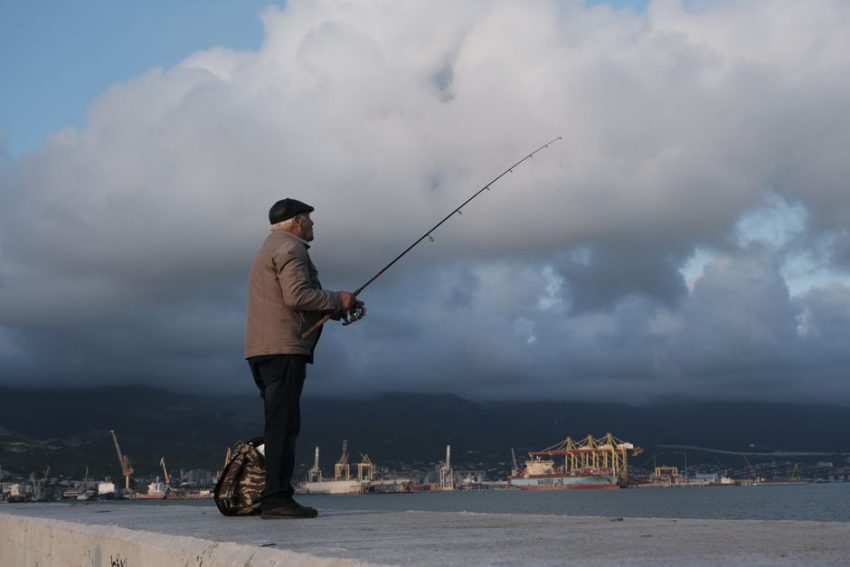
What should you wear when one trip includes early-morning fishing, a hot afternoon on the course, and a sudden rain shower? The best answer is not a suitcase full of separate outfits. You need a small system of breathable base layers, sun coverage, stretch bottoms, and one rain shell that can handle both a boat deck and a golf swing.
A good fishing and golf travel outfit keeps you cool, protects exposed skin, dries quickly, and still looks acceptable at the clubhouse. It also has to survive luggage, sunscreen, boat spray, grass stains, and repeated wear. The guide below focuses on those real problems. Prices are listed in U.S. dollars and can change during 2026.
What Should You Pack for a Fishing and Golf Trip?
Pack around conditions rather than activities. Fishing and golf both involve long hours outside, but the exposure feels different. A boat creates glare and wind. A golf course creates heat, walking, and strict clothing expectations. Morning tee times can feel cold even in warm destinations, while an afternoon charter may turn hot within an hour.
Build the suitcase around three weather zones
Use one light base layer for heat, one long-sleeve layer for sun and wind, and one shell for rain. That combination covers most trips without filling half your luggage. Choose colors that hide dirt but do not absorb too much heat. Light gray, tan, pale blue, and muted green work well on the water and still look clean on a course.
| Trip condition | Core outfit | Why it works |
|---|---|---|
| Cool morning, calm wind | Moisture-wicking shirt, stretch pants, light overshirt | Warm enough for the first hour without trapping heat later |
| Bright sun on a boat | Long-sleeve sun shirt, brimmed hat, quick-dry shorts | More skin coverage reduces the need for constant sunscreen reapplication |
| Hot golf round | Collared polo, ventilated shorts, low-profile cap | Meets most casual course rules and allows a full swing |
| Windy shoreline or exposed fairway | Stretch base layer under a wind-resistant shell | Blocks moving air while preserving arm movement |
| Storm risk | Packable waterproof jacket and rain pants | Protects the clothes underneath without forcing a full outfit change |
| Travel day | Dark stretch pants, breathable tee, light overshirt | Resists wrinkles and works for dinner after arrival |
Use a simple packing count
For a three-day trip, pack two short-sleeve tops, two long-sleeve sun layers, one collared polo, two pairs of shorts, one pair of lightweight pants, one mid-layer, and one rain shell. Add two hats, four pairs of socks, and swimwear if the fishing charter involves wading or swimming. Wear the bulkiest shoes on the plane.
This count gives you enough rotation without packing a separate outfit for every photograph. Wash a shirt in the sink at night if needed. Quick-dry fabric can be ready by morning when you hang it near moving air instead of stuffing it in a closed bathroom.
How Do You Choose Clothes That Work on the Water and Course?
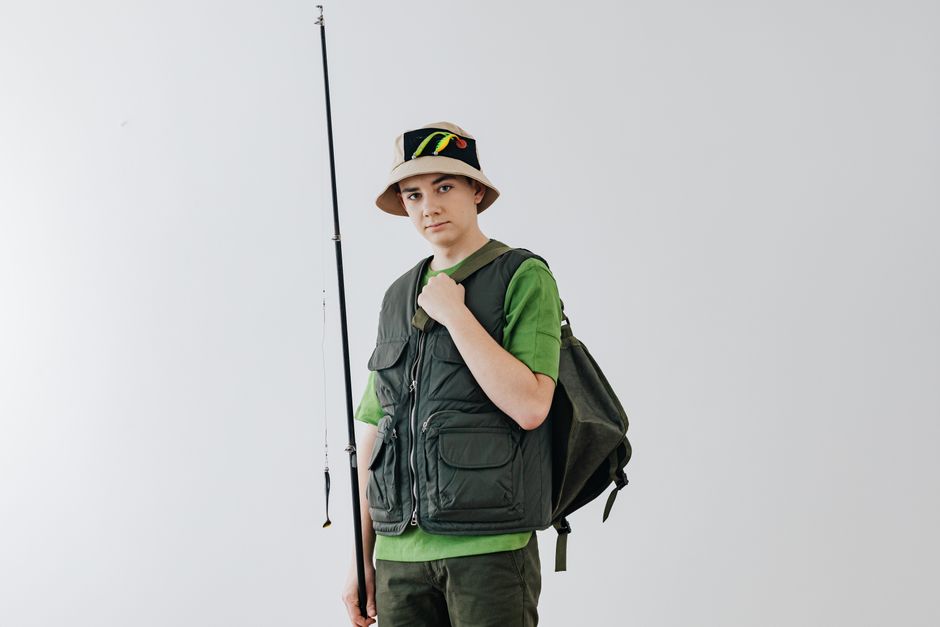
The best outfit category for this kind of travel exists for one basic reason: outdoor sports create heat, moisture, glare, and movement at the same time. Cotton handles the first ten minutes well, then holds sweat against the skin. Heavy denim protects against nothing useful on a hot boat and becomes uncomfortable during an eighteen-hole walk. Technical fabric earns its place when it solves a specific problem, not because the label sounds advanced.
Start with sun coverage, not just sunscreen
Fishing exposes the backs of the hands, neck, ears, and forearms for hours. Water reflects light upward, so a short-sleeve shirt can leave you feeling burned even when the air feels mild. A lightweight long-sleeve shirt with a high collar or hood gives better coverage with less repeated sunscreen use. Look for a stated UPF rating, a loose enough fit for airflow, and sleeves that reach the wrist during casting.
A hood helps on a boat, but it can feel too warm during golf. For a mixed trip, bring one hooded sun layer for fishing and one collared short-sleeve shirt for the course. Do not treat them as interchangeable. The hooded layer should cover the neck and move with a cast; the polo should sit neatly under a vest or rain jacket and stay tucked if the course requires it.
Test movement in the positions you will actually use
Try on shorts and pants while sitting, bending, reaching overhead, and rotating your shoulders. A fishing outfit needs room to step over a cooler, kneel beside a tackle box, and pull a rod through a hard cast. Golf clothing needs stretch across the hips and upper back, but too much fabric around the knees can catch on a cart or look sloppy at the clubhouse.
Check pocket placement before buying. Deep front pockets help on a boat, but bulky contents can interfere with a golf swing. A zippered back pocket works for a scorecard or room key. Avoid putting a phone in a pocket that presses against your hip when you sit on a boat bench for four hours.
Choose fabric by drying time and friction
Quick-dry polyester and nylon work well for wet fishing gear, but thin fabric can feel clammy under a backpack or life vest. A small amount of stretch improves casting and walking comfort. Mesh panels help in heat, yet large open panels can expose skin to more sun or let insects through at dusk. For pants, a light woven fabric usually gives better protection from brush and hooks than a very thin knit.
Pay attention to seams. Rough inner seams can rub under a vest, while a tight waistband becomes painful after a large post-round meal. The right outfit should feel unremarkable after six hours. That is the real test. If you keep adjusting a sleeve, waistband, or collar during the first hour, the garment will become the thing you remember about the trip.
Which Fishing and Golf Outfit Pieces Are Worth Buying?
My clear pick for a mixed fishing and golf trip is a breathable long-sleeve sun layer, a separate golf polo, stretch shorts or pants, and a real waterproof shell. One shirt rarely performs both jobs well. Fishing rewards coverage and drying speed; golf rewards a clean collar, controlled fit, and unrestricted rotation.
Best sun layers for long fishing days
| Product | Listed price | Useful details | Verdict |
|---|---|---|---|
| Simms SolarFlex Hoody | $85 | UPF 50+ protection, lightweight quick-drying fishing fabric | Best dedicated fishing layer for bright, exposed water |
| Patagonia Tropic Comfort Natural Sun Hoody | $99 list price | 40+ UPF, 265 g weight, 96% modal and 4% spandex | Best choice when soft hand feel matters as much as sun coverage |
The Simms SolarFlex Hoody wins for a serious fishing day because the design centers on sun exposure, drying speed, and repeated movement. It makes more sense on a boat than a standard athletic hoodie, which often traps heat and offers no stated sun rating. The Patagonia Tropic Comfort Natural Sun Hoody is the better travel compromise if you want a softer layer that can also work for driving, walking, or a casual dinner. Its 40+ UPF rating is lower than the Simms rating, so I would choose Simms for the longest days in direct glare.
Best pieces for the golf portion
| Product | Listed price | Useful details | Verdict |
|---|---|---|---|
| Under Armour UA Drive Chill Polo | $90 | Four-way stretch, moisture wicking, fast drying, UPF 50+ protection | Best all-around polo for hot rounds and travel days |
| Under Armour UA Drive Chill 8-inch Shorts | $80 | Stretch construction, golf-specific cut, 8-inch inseam | Best for warm courses where a clean silhouette still matters |
The UA Drive Chill Polo is the strongest one-piece purchase for the golf side because it handles heat without looking like a fishing shirt. Pair it with the 8-inch shorts for a warm-weather round, or use the matching Drive Chill Tapered Pants at $100 when the course expects more coverage. The shorts make less sense for a windy boat because exposed legs catch spray and sun, so keep them for golf, travel, and casual meals.
Best rain protection when the forecast looks unstable
FootJoy HydroSeries Arcus Rain Jacket costs $450 and uses a fully waterproof, fully windproof construction with stretch-knit zones, abrasion-resistant ripstop, adjustable cuffs, multiple zippered pockets, and a two-way zipper. It is expensive, but it is the most convincing single shell for golfers who refuse to lose a round to rain. The stretch zones matter during a swing, and the two-way zipper helps when sitting in a cart or bending to read a putt.
For a budget-minded trip, do not buy a premium golf rain jacket just because the weather app shows one shower. A basic waterproof shell with sealed seams may cover a short rain burst for far less. Buy the FootJoy Arcus when you play often in poor weather and want a jacket built around golf movement. For occasional travel, spend the difference on a better sun layer and a dry bag.
What Outfit Mistakes Ruin a Fishing and Golf Trip?
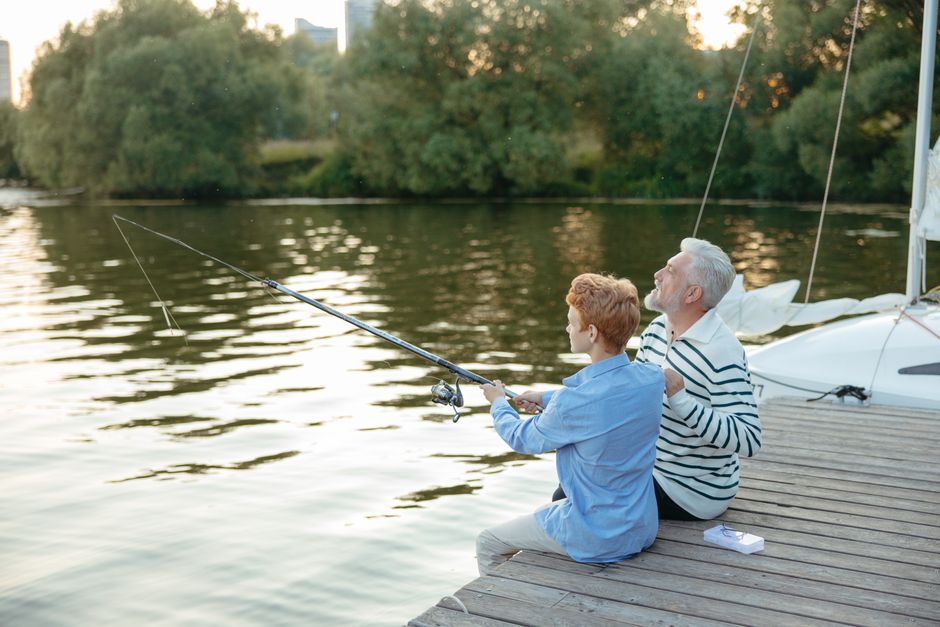
The wrong clothes usually fail through small annoyances that become major problems after several hours outside. Avoid these mistakes before you leave home.
Five mistakes to remove from the packing list
- Packing only short sleeves: Bare arms feel cool at breakfast, then absorb sun for the rest of the day. Bring at least one lightweight long-sleeve layer for every full day on the water.
- Using cotton as the main base layer: Cotton holds sweat and dries slowly after spray, rain, or a hot walk. Save it for a casual evening when you know you can change soon.
- Buying rain gear with no room for movement: A shell that fits over a shirt but binds across the shoulders will ruin a golf swing and make casting awkward. Test the jacket with both arms raised and rotated.
- Ignoring course dress rules: Some courses reject cargo shorts, graphic tees, denim, and certain hats inside the clubhouse. Check the course website before packing a fishing-first wardrobe.
- Overloading every pocket: Keys, pliers, phones, wallets, and rangefinders add pressure and bulk. Carry only the item you need for the activity in progress.
When should you skip technical clothing?
Do not buy a complete technical wardrobe for a single relaxed weekend if you already own comfortable stretch clothes that dry reasonably fast. A clean polo, lightweight nylon shorts, a breathable long-sleeve shirt, and a compact rain jacket can cover the trip. Technical pieces earn their cost when you spend many hours in direct sun, deal with repeated rain, fish from exposed water, or travel often enough to wash and rewear the same garments.
The biggest false economy is buying cheap clothing that fits badly, then replacing it after one trip. The biggest overspend is buying a specialized item for a condition you will never face. Match the garment to the hours, weather, and movement you expect.
Which Outfit System Wins for a Three-Day Sports Trip?
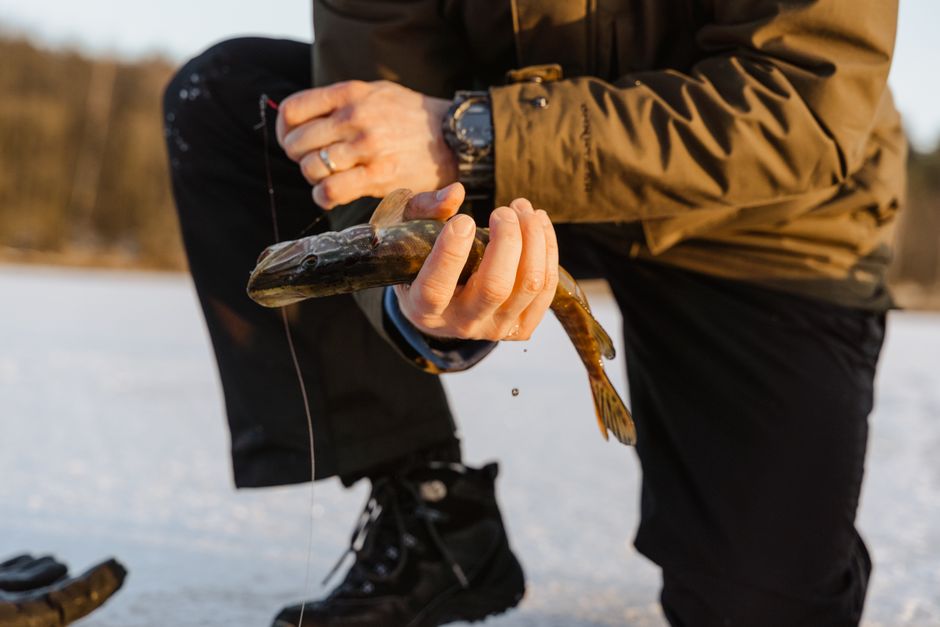
The best three-day setup is two long-sleeve sun layers, one collared golf polo, two pairs of stretch bottoms, one light mid-layer, and one waterproof shell. That combination wins because it handles the widest range of weather while keeping the fishing and golf parts of the trip separate where they need to be.
What should you wear on the travel and arrival day?
Wear dark stretch pants, a breathable tee, and the light mid-layer. This outfit looks tidy at the airport, hides marks from travel, and gives you a warmer option if the morning boat departure starts early. Keep the rain shell in your personal bag rather than your checked suitcase. A delayed suitcase should not leave you without weather protection.
What should you wear for fishing?
Choose the Simms SolarFlex Hoody for maximum sun exposure, or the Patagonia Tropic Comfort Natural Sun Hoody when you want a softer piece that can handle travel afterward. Pair it with quick-dry pants or shorts, a brimmed hat, polarized sunglasses, and shoes with secure wet-surface grip. Keep a dry shirt in a sealed bag. Even a breathable sun layer feels miserable when it stays damp after spray.
What should you wear for golf?
Wear the Under Armour UA Drive Chill Polo with the matching 8-inch shorts in hot weather, or switch to the $100 Drive Chill Tapered Pants for cooler mornings and stricter dress codes. Put the FootJoy HydroSeries Arcus Rain Jacket in the golf bag only when the forecast calls for sustained rain or strong wind; for a brief shower, a lighter shell may be enough.
The single most important takeaway: pack separate sun coverage for fishing, a proper stretch polo for golf, and one weatherproof layer that keeps both activities possible when the forecast changes.