
Golf Travel Bag Packing Guide: Protect Your Clubs on Flights
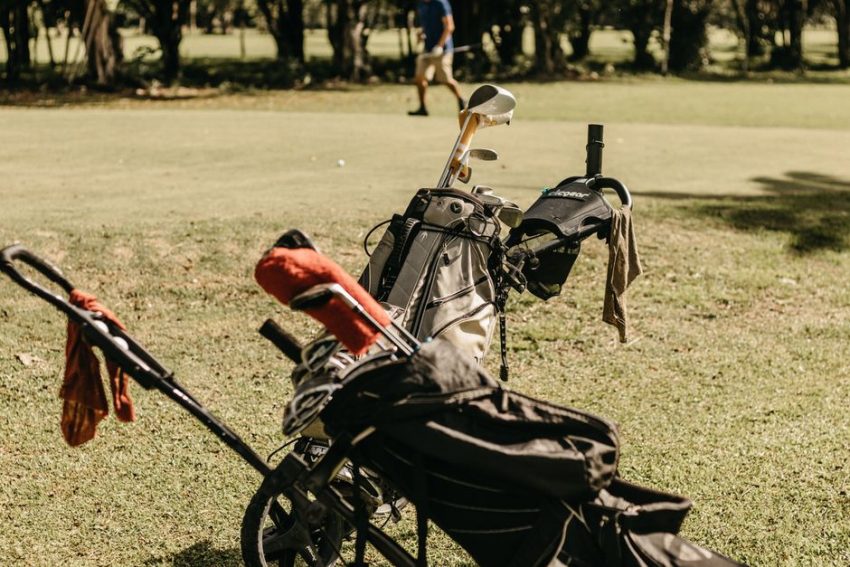
The safest flight setup is a fitted travel bag, a stiff support rod, and clubheads packed below the bag’s top padding. A soft bag saves weight, but a hard case gives more protection against crushing. For most golfers flying once or twice a year, a padded soft bag with a stiff arm is the strongest balance of protection, weight, and storage.
Why clubheads and shafts need separate protection
The clubhead is not the main weak point
Airline handlers can drop, stack, and compress checked luggage. The top of a golf bag often takes the first hit, but the shaft usually carries the damage deeper into the bag. Drivers and fairway woods have long shafts and large heads that can press against the travel bag fabric. A hard impact can bend a shaft, crack a graphite section, or loosen the head where it meets the shaft.
Pack the driver and woods with their heads removed when the design allows it. Put each headcover back on before removing the head, then place the heads inside a padded compartment. This keeps the adjustable hosel from striking another club. Irons can stay assembled, but they should sit with their grips down and clubheads grouped together.
Use a stiff arm above the longest club
A stiff arm extends above the club shafts and absorbs pressure before the clubs do. Set its height about 2 to 3 inches above the tallest club, then tighten the top support so it cannot slide down. The support must touch the top of the travel bag without forcing the zipper or shell outward.
Fill empty space with two golf towels, not loose clothing alone. Towels cushion clubheads and stop movement during handling. Do not wrap every club into one heavy bundle. That makes it harder to identify damage and creates one concentrated impact point.
The packing verdict
For a standard 14-club set, remove adjustable wood heads, add a 2- to 3-inch stiff arm extension, cover every iron head, and use towels around the top third of the bag. This setup protects the parts most likely to bend or crack without requiring a bulky case.
Which golf travel bag gives the right level of protection?
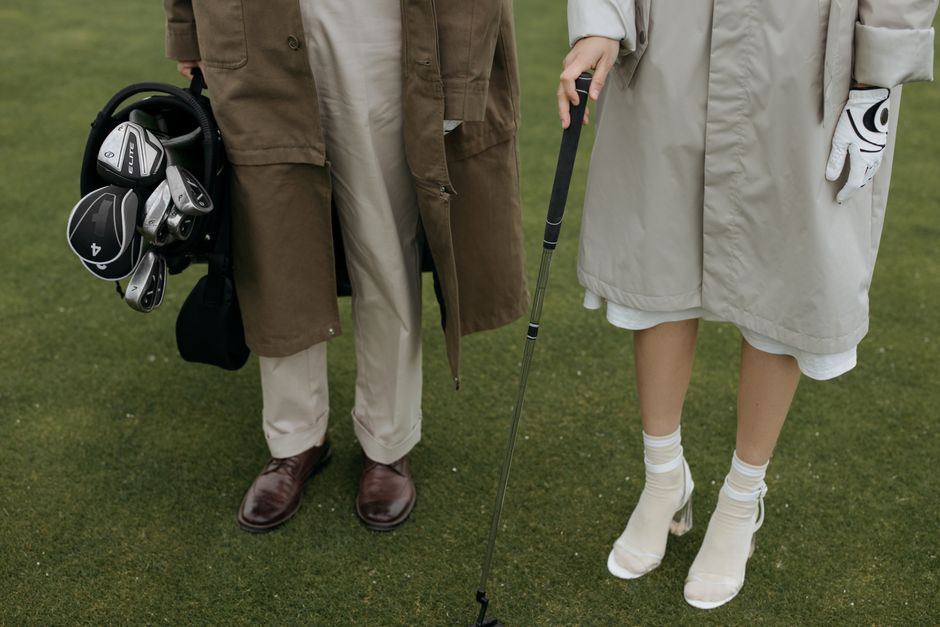
Soft bags: lighter and easier to store
A padded soft bag works well for golfers who fly occasionally and can control how the bag reaches the airport. The Club Glove Last Bag Collegiate is a strong soft-case choice because its thick padding and reinforced base target the two areas that receive the most abuse. Its typical list price is around $269, although retailer pricing changes. Add a stiff arm; the bag’s padding alone does not replace structural support.
Rolling bags: easier through terminals
The Sun Mountain ClubGlider Meridian is the best choice for a golfer who expects long walks through large airports. Its retractable support leg and rolling design reduce the need to drag a fully loaded bag. Typical pricing sits near $279.99. The tradeoff is size: wheels and the support frame add weight and create more parts that can be damaged.
Hard cases: strongest shell protection
The SKB Deluxe Standard ATA Golf Travel Case is the clearest pick for expensive clubs, frequent flyers, and trips with multiple connections. It uses a molded hard shell and commonly sells near $299.99. A hard case protects against crushing better than a soft bag, but it is heavier, harder to store, and less forgiving when a packed bag exceeds an airline’s weight limit.
| Case type | Example | Typical price | Best use | Main drawback |
|---|---|---|---|---|
| Padded soft | Club Glove Last Bag Collegiate | About $269 | Occasional flights and easy storage | Needs a stiff arm |
| Rolling soft | Sun Mountain ClubGlider Meridian | About $279.99 | Large airports and heavier loads | More weight and moving parts |
| Hard shell | SKB Deluxe Standard ATA Golf Travel Case | About $299.99 | Frequent flights and high-value clubs | Bulky and less convenient |
My position is clear: choose the SKB hard case for maximum impact protection, the Club Glove for the best storage-friendly balance, and the Sun Mountain for terminal mobility. Do not buy a hard case only because it looks tougher. If you cannot lift the packed case safely or store it at home, the extra shell may create more travel problems than it solves.
What airlines and insurance actually cover

Airline liability is not the same as replacement value
An airline may accept a damaged golf bag claim, but payment can depend on the carrier’s contract, the type of damage, the timing of the report, and the value limits that apply to checked baggage. Photograph the bag before check-in and again at baggage claim. If a shaft is bent or a clubhead is cracked, report it at the airport before leaving the baggage area when possible. Keep the claim number, baggage tag, boarding pass, repair estimate, and purchase receipt.
Do not assume a travel policy covers every golf-related loss. Common exclusions include ordinary wear, cosmetic scratches, clubs left unattended, damage from poor packing, and losses caused by an undeclared valuable item. Some policies cover baggage delay but exclude sports equipment during a separate sporting event. Others cover checked baggage only after the airline has paid its portion.
How to compare a policy before the trip
Use a coverage table when requesting quotes. Compare the baggage limit, sports-equipment definition, per-item cap, deductible, delay benefit, rental-club benefit, and exclusions for unattended property. An insurer’s financial strength can be checked through AM Best, while J.D. Power scores can offer a separate view of claims and service experience. Neither rating guarantees payment on a particular claim.
| Coverage question | Why it matters for golf clubs | Warning sign |
|---|---|---|
| Baggage limit | Sets the maximum for the whole claim | Limit is below the value of the set |
| Per-item cap | May limit payment for a driver or iron set | Cap is not clear in the policy |
| Sports-equipment wording | Shows if clubs qualify as covered baggage | Golf equipment is excluded |
| Deductible | Changes the real payout after damage | Deductible approaches repair cost |
State rules and premiums
State-specific insurance rules can affect policy forms, disclosures, and how an underlying homeowners or renters policy handles personal property away from home. No single rule gives every golfer the same protection. Premiums vary by state and individual factors, including trip length, destination, coverage limits, deductible, and prior claims. Get multiple quotes and read the exclusions before choosing a policy. A low price is not useful if the policy excludes checked sports equipment.
Which packing mistakes create the most damage?
Should clubs stay in the bag without a support rod?
No. A soft travel bag without a stiff arm leaves the tallest club exposed to direct compression. The rod is inexpensive compared with a driver shaft or adjustable wood head, so leaving it out is a poor saving.
Is wrapping clubs in a towel enough?
Not by itself. Towels reduce club-to-club contact, but they cannot stop the top of the bag from collapsing. Use towels as padding around the heads and a support rod as the load-bearing barrier.
Should valuables go inside the golf bag?
No. Keep watches, wallets, cameras, rangefinders, and removable electronics in carry-on luggage. A checked golf bag is a poor place for items with high value, small size, or weak receipts. The same rule applies to prescription medication and travel documents.
What should happen after a damaged bag arrives?
Do not throw away the case or repair the club before documenting the damage. Take wide and close photographs, save the baggage tag, request a written airline report, and obtain a repair estimate from a qualified golf shop. If the club is unsafe to swing, stop using it. A bent graphite shaft can fail without much warning.
When should you skip a hard case?

Choose a soft case for simple, direct trips
Skip the hard case if you fly once a year, have ordinary-value clubs, need to store the bag in a small closet, and can pack it with a stiff arm. A padded soft bag is easier to carry, easier to fold, and less likely to push the total load over an airline’s weight limit. It is the right answer for most occasional vacation golfers.
Choose a hard case for repeated handling
Buy a hard case when the trip includes multiple connections, high-value custom clubs, a tight tournament schedule, or a long transfer through several airports. The shell reduces crush risk, but it does not eliminate theft, loss, or rough handling of the wheels. Label the case, photograph its condition, and keep the packing record.
Final comparison
| Travel situation | Best choice | Reason | Non-negotiable step |
|---|---|---|---|
| One direct flight per year | Padded soft bag | Lower bulk and easier storage | Use a stiff arm |
| Large airport or heavy load | Rolling soft bag | Reduces terminal strain | Check wheel and frame condition |
| Multiple connections | Hard shell case | Better crush protection | Check the case weight before departure |
| High-value custom set | Hard shell plus insurance review | Pairs physical protection with claim planning | Confirm per-item limits and exclusions |
The compressed verdict is simple: pack for compression first, movement second, and airline paperwork third. A stiff arm, padded clubheads, a weight check, and clear photographs prevent more trouble than expensive accessories added at the last minute.