Husqvarna Climbing Harness Review: Arborist Saddle Performance Notes
A frequent misconception among those entering the world of professional tree care or high-angle canopy exploration is that Husqvarna manufactures every piece of equipment bearing its logo from scratch. In the world of chainsaws and power cutters, that is largely true. However, when it comes to life-support equipment like the Husqvarna climbing harness, the reality is more nuanced and, frankly, more reassuring. Husqvarna does not pretend to be a primary textile innovator in the climbing space; instead, they have partnered with Teufelberger, a titan in the world of fiber ropes and harnesses, to produce a saddle that meets the specific rigors of arborist work. This partnership resulted in a piece of gear that combines Husqvarna’s understanding of ergonomic work tools with Teufelberger’s mastery of fall protection. If you are looking for a generic rock-climbing harness rebranded for forestry, you will be disappointed—this is a highly specialized tool designed for hours of suspension, lateral movement, and heavy tool carriage.
How the Husqvarna Arborist Harness Compares to Industry Standards
When evaluating the Husqvarna Arborist Climbing Harness, one must look past the orange accents and examine the structural DNA. This harness is essentially a customized version of the world-renowned Treemotion series. While some might see a “rebrand” as a shortcut, in the professional climbing community, it is viewed as a gold standard. The primary difference between a standard recreational harness and the Husqvarna model lies in the suspension system. Recreational harnesses are designed to catch a fall; arborist harnesses are designed to be lived in. You are not just wearing this; you are working from it. The Husqvarna model features a multi-layered padding system that manages moisture and heat—a critical factor when you are 60 feet up in a humid canopy in mid-July.
Comparison of Leading Arborist Saddles
| Feature | Husqvarna Arborist Harness | Petzl Sequoia | Notch Sentinel |
|---|---|---|---|
| Approximate Price | $550 – $620 | $450 – $500 | $480 – $530 |
| Weight (Size M) | Approx. 5.5 lbs | Approx. 3.5 lbs | Approx. 4.2 lbs |
| Bridge Type | Double/Replaceable Rope | Single/Double Webbing | Single Rope |
| Primary Strength | Extreme Modularity | Lightweight/Speed | Value/Comfort |
The Husqvarna harness sits at the higher end of the price spectrum, often retailing between $550 and $620 depending on the retailer and included accessories. For that price, you receive a level of modularity that the Petzl Sequoia simply cannot match. Every major component—the back padding, the leg loops, the gear loops, and most importantly, the bridge—is replaceable. This modularity is not just about repair; it is about customization. A climber can adjust the height of the bridge or the angle of the leg loops to perfectly match their center of gravity. This is a significant advantage for those who travel between different types of trees, from the tight, vertical structures of conifers to the sprawling, horizontal limbs of ancient oaks.
Ergonomics and Weight Distribution During Extended Suspension
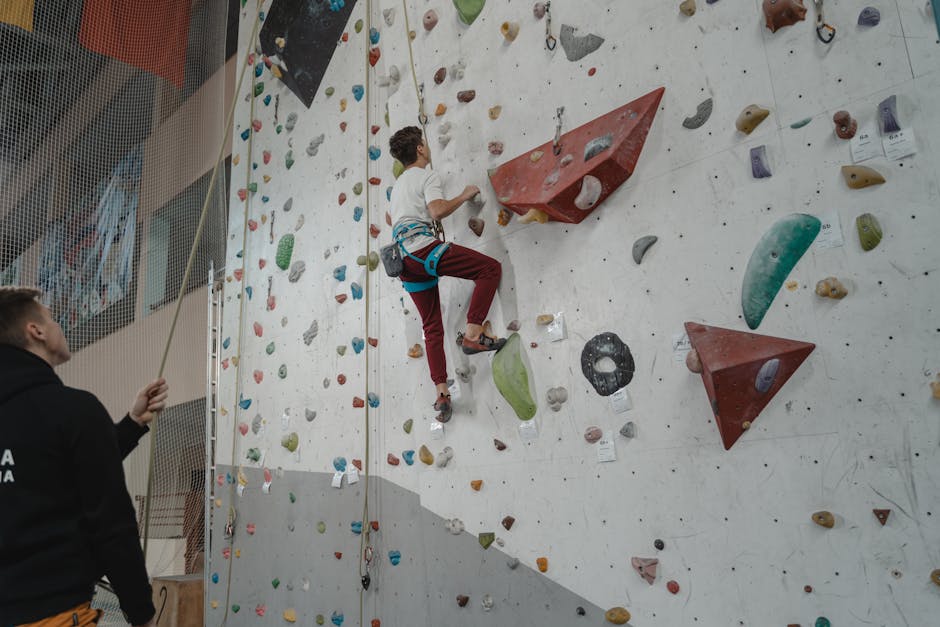
Suspension trauma is a real risk in the climbing world, but for the working arborist, simple discomfort is the more immediate enemy. The Husqvarna climbing harness addresses this through a sophisticated pressure-distribution system. When you are suspended in a work-positioning scenario, the weight is not concentrated on the waist belt. Instead, the harness utilizes a series of internal stays that transfer the load to the leg loops and the broad back support. This creates a “cradle” effect. During my research into user feedback across professional forums, a recurring theme is the harness’s ability to remain comfortable even when loaded with a heavy top-handle chainsaw and several liters of water. The weight of the gear is offset by the rigidity of the belt, preventing the harness from sagging or digging into the hips.
The Role of the Sliding Bridge
The sliding bridge is the heart of the Husqvarna harness. Unlike a fixed attachment point found on a rock-climbing harness, the sliding bridge allows for lateral movement. If you need to lean far to the left to make a pruning cut, the bridge slides across the front of the harness, keeping your body oriented correctly while maintaining tension on your climbing line. This reduces the torque on your lower back. The Husqvarna model often comes with a double-rope bridge setup, which provides an extra layer of redundancy—a feature highly valued by safety officers and those working in high-stakes environments. The ropes themselves are high-performance tachyon or similar kernmantle constructions, designed for high abrasion resistance.
The modular nature of the Husqvarna harness means that as parts wear out—which they inevitably do in the abrasive environment of tree bark and sawdust—you don’t have to retire the entire $600 unit. Replacing a $40 bridge rope every season is a much more palatable maintenance cost than buying a new saddle every two years.
Safety Certifications and Technical Specifications
Safety is not a matter of opinion; it is a matter of certification. The Husqvarna climbing harness is built to satisfy multiple international standards, making it a viable choice for climbers worldwide. It typically carries the EN 813 (Sit harnesses) and EN 358 (Work positioning) certifications, along with meeting the rigorous ANSI Z133 standards required in the United States. These certifications ensure that the attachment points can handle the forces generated during work positioning and limited fall arrests. However, it is vital to remember that this is a work-positioning harness, not a full-body fall-arrest harness. It is designed for users who are maintaining tension on their lines, not for those at risk of a long, free-fall drop.
Detailed Technical Specs
- Maximum Load: Rated for a total user weight (including tools) of up to 150kg (approx. 330 lbs).
- Hardware: High-grade aluminum D-rings and quick-connect buckles for rapid donning and doffing.
- Attachment Points: Two lateral D-rings for flip-line/lanyard attachment and one central bridge for the primary climbing line.
- Gear Loops: Multiple rigid and semi-rigid loops capable of holding up to 10kg each, plus slots for specialized tool carriers like the Petzl Caritool or DMM Vault.
- Webbing Material: High-tenacity polyester with UV-resistant coating to prevent degradation from sun exposure during long days in the canopy.
One detail that often goes unnoticed is the quality of the stitching. Husqvarna’s partner uses computer-controlled bartacking at all critical load-bearing joints. This ensures consistency that manual stitching cannot match. When inspecting the harness, the contrast-colored thread makes it easy to spot any frayed or broken stitches during your pre-climb inspection. This is a subtle but essential safety feature for professionals who operate under strict OSHA or HSE guidelines.
Durability and Long-Term Maintenance Requirements
In the abrasive world of arboriculture, gear is subjected to a cocktail of destructive forces: wood chips, bar oil, pitch, UV radiation, and the constant friction of bark. The Husqvarna climbing harness is built with these factors in mind. The outer shell of the padding is typically a heavy-duty Cordura or similar high-denier nylon that resists snagging. However, no harness is indestructible. The longevity of this unit depends heavily on the user’s commitment to maintenance. Because the harness is so modular, it attracts dirt in the various channels and adjustment points. A deep cleaning with a pH-neutral soap once a quarter is not just a cosmetic choice; it prevents grit from working its way into the fibers of the load-bearing webbing.
The Replacement Ecosystem
One of the strongest arguments for the Husqvarna/Teufelberger system is the availability of replacement parts. In many lower-cost harnesses, if a gear loop rips or the leg padding loses its loft, the harness is effectively dead. With the Husqvarna model, you can purchase individual components:
- Replacement Bridges: Available in different lengths to adjust the “swing” of the harness.
- Leg Padding Sets: These can be swapped out when the original foam becomes compressed and loses its cushioning properties.
- Back Padding: Essential for maintaining lumbar support over several years of use.
- Fastening Hardware: While the buckles rarely fail, the elastic keepers that manage excess webbing can be replaced if they lose their elasticity.
This “repair over replace” philosophy aligns well with the needs of a traveling arborist or a contract climber who needs reliable gear that can be serviced in the field. If you are working in a remote location and a bridge rope shows signs of glazing or abrasion, having a spare rope in your kit allows you to return to work safely within minutes. This level of field-serviceability is what separates professional gear from consumer-grade alternatives.
Sizing and Fitment Guide for Professional Climbers
Purchasing a Husqvarna harness online can be a gamble if you do not understand their sizing philosophy. Unlike recreational harnesses that rely heavily on waist circumference, arborist harnesses must account for the thickness of your work clothes and the specific geometry of your hips and thighs. The Husqvarna harness is generally offered in three sizes: Small, Medium, and Large. However, the adjustment range within each size is massive. This is necessary because a climber might be wearing thin summer trousers in July and thick, insulated chainsaw pants in January.
Finding Your Correct Size
To get the best fit, you should measure yourself while wearing your typical work gear. Don’t just measure at the navel; measure where the belt will actually sit, which is often slightly lower on the hips for men. The leg loops should be snug but not restrictive. A good rule of thumb is that you should be able to flat-hand slide your palm between the padding and your thigh. If the leg loops are too loose, the harness will shift uncomfortably during a climb; if they are too tight, they will restrict blood flow during long periods of suspension. The Husqvarna harness uses quick-connect buckles on the legs, which are a massive convenience, but they must be checked daily to ensure no wood debris has entered the locking mechanism.
The final consideration in fitment is the “rise” of the harness—the distance between the leg loops and the waist belt. The Husqvarna model allows for adjustment here, which is vital for taller climbers who often find standard harnesses “ride up” in uncomfortable ways. By adjusting the rear elastic straps, you can change the angle at which the leg loops support your weight, shifting the pressure from your groin to your glutes. It takes about thirty minutes of hanging in a shop or from a low limb to truly dial in these settings, but once set, the harness becomes an extension of your body. For the professional who spends 1,000 hours a year in a tree, that half-hour of adjustment is the best investment they can make.
Ultimately, the Husqvarna climbing harness is a premium tool for those who view tree climbing as a craft rather than a hobby. It is heavy, complex, and expensive, but those attributes are the byproduct of a design that prioritizes safety, longevity, and ergonomic health. While a beginner might find the array of rings and straps intimidating, the experienced climber will recognize them as the keys to a more efficient and less painful workday. It is a serious investment, but for those who value their back health and their safety in the canopy, it is an investment that pays dividends in every climb.