
The 7 Leave No Trace Principles Explained for Responsible Hiking
What Is Leave No Trace and Why It Matters for Hikers
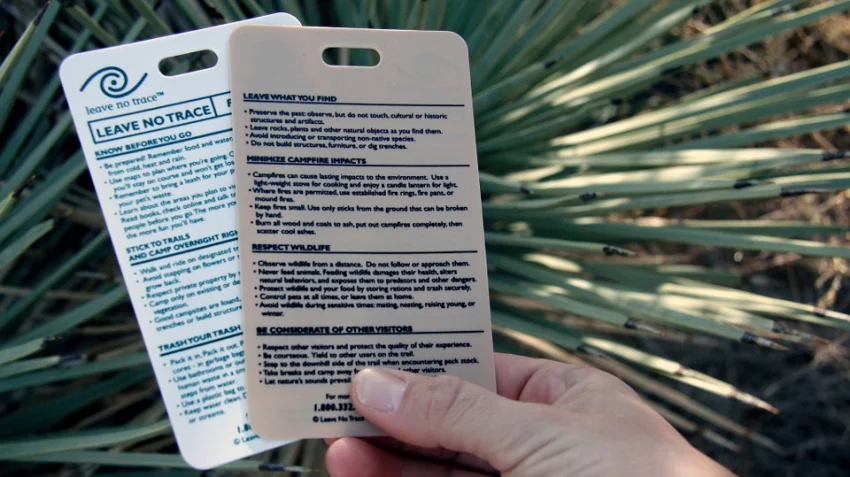
Have you ever wondered how your hiking trips impact nature? Leave No Trace ethics help us protect the outdoors by guiding how we minimize environmental impact while exploring trails. It’s all about enjoying nature responsibly, so future hikers get to experience the same beauty.
Origins of the Seven Principles
The seven Leave No Trace principles were developed in the 1990s by outdoor experts and environmentalists aiming to reduce human impact on wild spaces. They built on decades of backcountry ethics and outdoor conservation hiking practices, turning ideas into clear, actionable steps to protect parks and wilderness areas.
Challenges from Increased Trail Use
More hikers mean more pressure on trails and wildlife. Here are key environmental issues caused by heavy use:
| Environmental Challenges | What Happens |
|---|---|
| Trail Erosion | Soil wears away, causing unsafe paths and landscape damage |
| Wildlife Disturbance | Animals change behavior or abandon habitats |
| Litter and Waste | Pollutes water and harms plants and animals |
Why Leave No Trace Matters for You
Following these principles isn’t just good for nature—it makes your hike better, too!
- Safer experiences: Avoid unexpected dangers by planning and sticking to trails.
- Better trail conditions: Helps keep paths clear and natural.
- Deeper connection: When you respect nature, you feel more grounded and fulfilled.
Using Leave No Trace helps you hike sustainably, balancing adventure with care for the environment and all its residents.
The 7 Leave No Trace Principles Explained
Understanding the seven Leave No Trace principles is key to practicing responsible trail etiquette and minimizing environmental impact when hiking. Here’s a straightforward breakdown of each principle:
1. Plan Ahead and Prepare
- Key practices: Research trail rules, weather conditions, and group size limits beforehand.
- Hiking tips: Pack essential gear, secure any required permits, and be ready for emergencies.
- Why it protects nature: Careful planning prevents off-trail wandering and reduces overuse, which helps keep trails in better shape.
2. Travel and Camp on Durable Surfaces
- Key practices: Always stick to established trails and campsites to avoid unnecessary damage.
- Hiking tips: Don’t widen trails, shortcut switchbacks, or trample vegetation.
- Why it protects nature: Staying on durable surfaces prevents soil erosion and protects fragile plants from being crushed.
3. Dispose of Waste Properly
- Key practices: Pack out all your trash, even biodegradable items.
- Hiking tips: Use catholes for human waste, pack out toilet paper, and scatter dishwater away from water sources.
- Why it protects nature: Proper disposal keeps water sources clean and stops wildlife from being drawn to campsites.
4. Leave What You Find
- Key practices: Don’t pick flowers, collect rocks, or disturb artifacts.
- Hiking tips: Take photos for memories instead of souvenirs, and avoid building cairns or rock structures.
- Why it protects nature: Preserves natural beauty and cultural features for others to enjoy.
5. Minimize Campfire Impacts
- Key practices: Whenever possible, use stoves instead of campfires. Keep fires small if allowed.
- Hiking tips: Check fire restrictions, use existing fire rings, and always put out fires completely.
- Why it protects nature: Small, controlled fires reduce wildfire risks and prevent lingering scars on the landscape.
6. Respect Wildlife
- Key practices: Observe animals from a distance without feeding them.
- Hiking tips: Store food securely, keep pets controlled, and avoid sensitive wildlife habitats.
- Why it protects nature: Protects natural behaviors and prevents animals from becoming dependent on humans.
7. Be Considerate of Other Visitors
- Key practices: Yield on trails, keep noise levels low, and respect others’ privacy.
- Hiking tips: Uphill hikers generally have the right-of-way, so step aside when needed and avoid loud music.
- Why it protects nature: This makes the outdoors enjoyable for everyone and limits disruptions to the environment and fellow hikers.
Following these principles will help you enjoy safer, more respectful outdoor experiences while playing your part in sustainable outdoor recreation. For practical examples of responsible trail use, guides like the detailed Burgess Falls State Park trail tips are great resources to check out.
Applying Leave No Trace Principles on Popular Hiking Scenarios
Leave No Trace ethics apply differently depending on your hiking style and setting. For day hikes, packing out all trash and sticking to durable surfaces is often easier but still crucial. On multi-day backpacking trips, managing human waste properly, minimizing campfire impacts, and respecting wildlife become even more important to reduce long-term effects on the environment.
Trails with heavy foot traffic, like popular routes, face challenges like trail erosion prevention and overcrowding. Here, following responsible trail etiquette—such as staying on marked paths and yielding to others—helps keep the trail sustainable. In contrast, remote wilderness areas require extra care to avoid disturbing fragile ecosystems and to prepare thoroughly for emergencies.
When hiking in groups or with family, teaching everyone about Leave No Trace helps create a safer, more enjoyable trip for all. This includes keeping noise low and ensuring all members follow the principles consistently.
Seasonal changes also affect how you apply LNT. For example:
- Muddy trails in spring need extra care to avoid widening paths.
- Fire bans in summer require switching from campfires to stoves for campfire safety outdoors.
Whether you\’re tackling an easy day hike or a challenging backcountry adventure, adapting Leave No Trace practices to your situation makes a big difference. For practical application, you can explore detailed trail guides like the Manoa Falls Trail Guide to understand local conservation guidelines and hiking tips.
Common Mistakes Hikers Make and How to Avoid Them
Even experienced hikers can slip up when it comes to Leave No Trace ethics. Some of the most common mistakes include shortcutting switchbacks, leaving food scraps behind, and building unnecessary rock stacks. These actions might seem harmless but can cause serious trail erosion, attract wildlife to unsafe food sources, and disrupt the natural landscape.
Here’s how to avoid these pitfalls:
- Don’t shortcut switchbacks: Stick to the established trail to prevent soil erosion and protect vegetation. Avoid the temptation to take a quicker path.
- Pack out all food scraps: Leaving leftovers or crumbs on the trail can attract animals and alter their natural behaviors. Always follow the “pack it in, pack it out” rule.
- Skip building rock cairns: Unless the cairns mark official trails, avoid making extra piles of rocks. They can confuse other hikers and disturb the ecosystem.
By sticking to responsible trail etiquette and practicing proper waste disposal, hikers contribute to sustainable outdoor recreation and help preserve nature for everyone. For more beginner hiking guidelines that emphasize responsible behavior, check out tips on how to plan your next kids hike for a family-friendly approach to Leave No Trace outdoor conservation hiking.
Additional Tips for Responsible Hiking
To hike responsibly and practice Leave No Trace ethics, having the right gear is essential. Choose lightweight, durable items that minimize environmental impact. For example, use reusable water bottles, pack biodegradable soap, and bring a sturdy trash bag for packing out all waste. Choosing trail shoes with good grip helps you stay on durable surfaces, preventing trail erosion.
Teaching Leave No Trace principles to others makes a big difference. Whether you\’re hiking with friends, family, or sharing tips online, encouraging responsible trail etiquette spreads outdoor conservation hiking practices. For kids, turning lessons into fun activities boosts awareness early on—check out tips for keeping kids engaged during outdoor adventures for practical ideas.
Supporting organizations dedicated to sustainable outdoor recreation, like the well-known Leave No Trace Center, also helps protect nature long-term. These groups provide education, resources, and advocacy promoting backcountry ethics. Your support can be through donations, volunteering, or simply sharing their message with fellow hikers.
By combining smart gear choices, education, and support for conservation groups, you help ensure trails stay pristine and natural for everyone to enjoy.
For hiking gear essentials, you might find this guide on the ten essentials for hiking helpful to prepare properly and minimize unexpected impacts.

Leave a Reply