
How to Teach Kids to Respect Nature with Fun Outdoor Activities
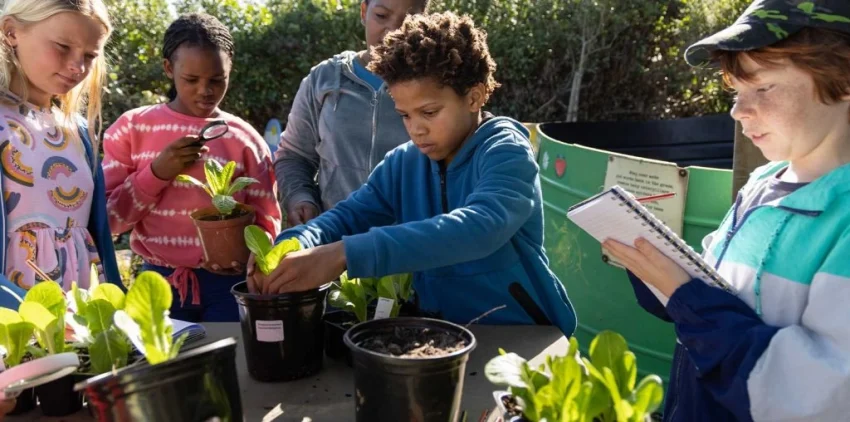
If you’ve noticed kids glued to screens more than trees or birds, you’re not alone. Nature education: teaching kids to respect the wild is more important now than ever. It’s not just about facts or rules— it’s about sparking real curiosity and connection that lasts a lifetime. Whether you’re a parent, teacher, or scout leader, you want practical, joyful ways to help children develop a deep love and respect for wildlife without turning every outdoor moment into a lecture. In this post, you’ll discover simple, age-appropriate strategies that truly work to foster wonder, empathy, and responsible behavior toward the natural world. Ready to inspire the next generation of nature stewards? Let’s get started.
Why Teaching Respect for the Wild Starts Early
Imagine your child’s eyes lighting up as they spot a ladybug on a leaf or hear the rustle of a squirrel in the branches above. Teaching children to love nature from an early age isn’t just about these magical moments—it lays a foundation for empathy, curiosity, and good mental health. Spending time outdoors helps reduce screen time and stimulates senses, making childhood richer and healthier.
Scientific research shows that nature connection is essential for children’s development. Experts like Richard Louv, author of Last Child in the Woods, highlight how time in the wild boosts creativity, focus, and emotional resilience. Kids who grow up respecting wildlife and the natural world are more likely to become responsible environmental citizens as adults.
When we encourage outdoor education for kids early on, we aren’t just creating fun experiences—we’re shaping future advocates for the planet. This early respect for the wild nurtures lifelong habits that help protect ecosystems and promote ecological literacy for children everywhere.
Core Principles of Respectful Nature Education
Teaching kids to respect the wild starts with focusing on respect, not fear. Instead of scaring children away from wildlife or wilderness, we want to foster a sense of curiosity and wonder. By encouraging curiosity before conservation rules, children learn to explore and ask questions naturally, which builds a genuine connection to nature.
Before jumping into interactions with animals or plants, emphasize observation before interaction. This helps kids understand wildlife on its own terms—watching quietly lets them see behaviors and habitats without causing stress or disturbance. It’s a key part of fostering kids and wilderness appreciation while respecting animal boundaries.
A gentle but effective way to teach responsible outdoor behavior is by introducing Leave No Trace principles as friendly guidelines, not strict lectures. Using soft, engaging activities based on the Leave No Trace principles helps children understand their role in protecting nature without feeling overwhelmed. This approach supports instilling respect for wildlife in a way that sticks.
In short, respectful nature education is about nurturing empathy and understanding through curiosity-led experiences, guided observation, and gentle stewardship. This lays the foundation for lifelong love and care for the environment.
Age-Appropriate Approaches to Nature Education
Teaching kids to respect the wild works best when activities match their age and interests. For ages 3–6 (Preschool & Early Elementary), focus on sensory exploration—letting little ones touch leaves, listen to birds, and smell flowers. Simple nature stories and picture books introduce wildlife in a fun, relatable way. Playful “animal manners” games help them grasp basic respect, like not chasing animals or being gentle with plants.
For ages 7–10 (Middle Elementary), it’s time to add deeper engagement. Guided nature journaling encourages curiosity as kids record what they see and feel. Participating in citizen science projects like iNaturalist or local bird counts connects children to real conservation efforts and builds ecological literacy. Role-playing from an animal’s perspective is a powerful tool to foster empathy and a sense of wilderness appreciation.
By the time kids reach ages 11–14 (Middle School), they’re ready for more complex discussions. Introduce deeper ecology topics and explore ethical dilemmas—such as debates on predator reintroduction or habitat restoration. Hands-on conservation projects like planting native species or building wildlife shelters give them practical skills and a lasting commitment to environmental education.
These age-tailored strategies support nature-based learning activities that steadily build respect, connection, and care for wildlife. For more ideas on how to engage children outdoors while teaching respect, you can explore frameworks like the Leave No Trace principles, which fit perfectly with age-appropriate outdoor education for kids.
12 High-Impact, Ready-to-Use Nature Education Activities
Here are 12 easy and effective outdoor activities to teach kids respect for the wild while fostering their curiosity and connection to nature:
- Sit Spot / Quiet Time in Nature: Encourage children to find a quiet spot and simply observe the environment. This builds patience and attention to detail.
- Nature Scavenger Hunt with a Twist: Instead of just finding items, kids look for signs animals have been there—tracks, droppings, nests—sparking wildlife appreciation.
- Animal Tracking & Identification Walk: Take a walk focused on spotting and identifying animal tracks or feathers. This deepens ecological literacy for children.
- “Adopt” a Local Tree or Stream: Kids choose a tree or nearby stream to observe over time, fostering a sense of stewardship and long-term connection.
- Create a Mini Field Guide: Using drawings or photos, children compile their own guide to local plants or animals, which encourages active nature-based learning.
- Role-Play: Interview a Wild Animal: Kids pretend to be reporters talking to an animal, practicing empathy and imagining life from a wildlife perspective.
- Leave No Trace Role-Playing Scenarios: Teach kids gentle environmental principles through role-play, helping them understand respect without lectures.
- Nighttime Nature Walk (with red flashlights): Exploring nature at night awakens curiosity about nocturnal wildlife and its special behaviors.
- Build a Wildlife Hotel: Construct simple shelters for insects or birds to support local biodiversity and teach conservation in action.
- “What Would the Forest Say?” Story Writing: Kids write stories imagining what nature might say, fostering emotional connection and creativity.
- Microscope or Magnifying Glass Exploration: Close-up views of leaves, insects, or soil introduce ecological details that deepen wonder and respect for wildlife.
- Family “Nature Gratitude Circle”: End outdoor time by sharing what each person appreciated about nature that day, reinforcing positive feelings about the wild.
These activities make outdoor education for kids engaging and practical, helping develop lifelong habits of wilderness appreciation and respect. For more guided nature experiences, consider exploring scenic walking trails like the Manoa Falls Trail where your kids can practice many of these hands-on learning ideas.
Recommended Resources & Tools
To make nature education engaging and effective, having the right resources and tools is key. For teaching kids to respect wildlife, start with some of the best children’s books that tell stories about animals and their habitats—these spark curiosity and empathy early on. You can find excellent book recommendations that combine fun with lessons on outdoor education for kids in our list of best outdoor books for children.
Apps also play a big role in fostering nature connection in kids. Popular choices like iNaturalist, Seek, and Merlin Bird ID make identifying plants, animals, and birds interactive and exciting, encouraging kids to explore and learn on their own.
There are great organizations focused on raising environmentally conscious children, such as Nature Conservancy Jr., Earth Rangers, and Leave No Trace Kids. These groups provide kid-friendly programs and challenges that teach ecological literacy for children and emphasize the importance of conservation and respect for the wild.
Lastly, documentaries and video series designed for kids can bring the wonders of wildlife and wild places to life, reinforcing lessons in an accessible way while showing real-life examples of animals and ecosystems worth protecting.
Using a mix of these tools ensures kids get varied and meaningful outdoor education experiences that nurture lasting respect for nature.
Common Mistakes to Avoid in Nature Education
When teaching kids to respect the wild, it’s easy to fall into a few common traps that can do more harm than good. First, over-emphasizing danger in nature can create fear rather than a genuine respect for wildlife. Kids need to feel safe and curious, not scared, to build a lasting love for the outdoors.
Another mistake is introducing too many rules too early. While guidelines like Leave No Trace are important, overwhelming young children with strict conservation rules can shut down their natural enthusiasm. It’s better to start with simple concepts and let curiosity lead.
Also, avoid turning every nature walk into a lesson. Constant talking or instructing can make outings feel like a chore, draining the fun and wonder that spark a child’s connection to the wild. Sometimes, quiet observation and free play teach respect better than any formal explanation.
Finally, don’t ignore children’s natural interests. Kids are more likely to embrace conservation and ecological literacy when activities match what fascinates them—whether it’s bugs, birds, or trees. Following their lead makes environmental education for children more effective and enjoyable.
By steering clear of these pitfalls, you can foster genuine wilderness appreciation and teach kids conservation with a positive, engaging approach.
For ideas to make nature education more enjoyable and less rule-heavy, check out creative outdoor activities like those found in the ultimate guide to the Gulch, where nature meets fun for kids of all ages.
How to Make Nature Education a Long-Term Habit
Building respect for wildlife and nature education for children is most effective when it becomes a regular part of life, not just a one-time lesson. Here’s how to make it stick:
-
Create family nature rituals: Set up simple, repeatable activities like weekly nature walks, a seasonal “sit spot” where everyone observes quietly, or a family nature gratitude circle. These moments connect kids to the outdoors naturally and make nature-based learning activities feel special, not forced.
-
Involve schools and community groups: Partner with local schools or community organizations to embed ecological literacy for children into their programs. Join or start clubs that focus on outdoor education for kids, citizen science, or conservation projects. Group involvement encourages ongoing participation and builds social connections around wildlife respect.
-
Track progress with a nature journal: Encourage kids to keep a nature journal over months or years. Recording observations, sketches, and reflections deepens curiosity and helps foster nature connection in kids while tracking growth in their understanding of ecosystems and wildlife.
Making respect for nature part of daily life raises environmentally conscious children who carry these values into adulthood. Small, consistent habits—from family rituals to school programs—are the foundation for lifelong love and respect for the wild.
For examples of inspiring family nature activities or outdoor spots to nurture this connection, check out guides like hiking the Makapuu Point trail, which offers immersive outdoor education experiences for kids and families.

Leave a Reply