
Choosing Swimming Goggles: Why Price Doesn’t Equal Performance
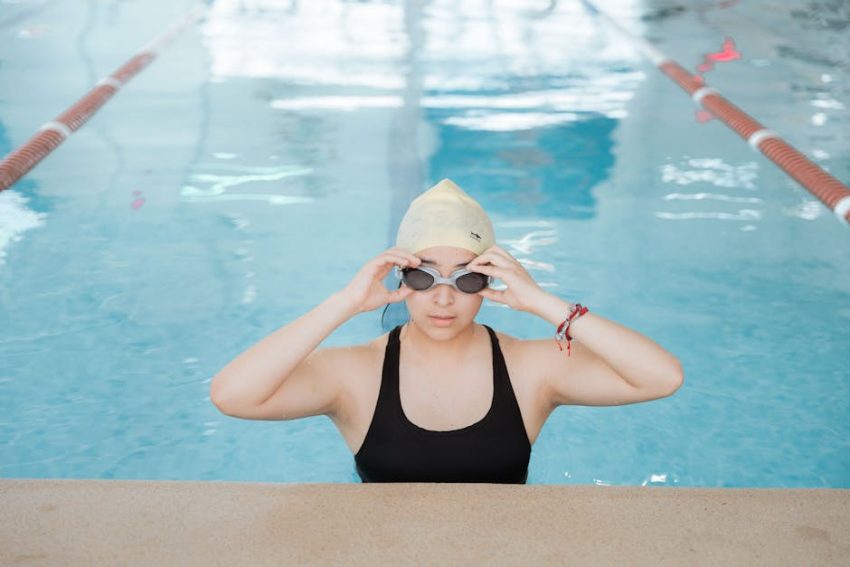
Many swimmers believe that a higher price tag automatically means superior swimming goggles. This is a misconception. Expensive goggles can fail just as easily as budget options if the fit is wrong. The reality is that personal fit, lens type, and intended use matter far more than cost. A properly fitting pair, regardless of brand or price, prevents leaks and discomfort. It allows you to focus on your swim, not your gear.
Prioritizing Fit Over Brand Names
The single most important factor for any swimming goggle is fit. A perfect seal around your eyes prevents water from entering. This seal comes from the goggle’s shape conforming to your specific facial structure. Brand loyalty means little if the goggle leaks.
Testing for fit is simple. Press the goggles lightly onto your eyes without using the head strap. If they create a slight suction and stay in place for a few seconds, the basic fit is good. If they fall off immediately, that model is likely unsuitable for you. This quick test saves time and ensures a comfortable, leak-free experience in the water.
The Goggle Suction Test
To perform the suction test correctly, ensure your skin is clean and dry. Place each eye cup over your eyes. Gently press them into your eye sockets. Release your hands. Good goggles will hold firmly for a moment, often creating a mild vacuum. This indicates a strong seal. If air gets in, or the goggle slides, try another model. This test works for both recreational and competitive goggles.
Nose Bridge Adjustments
The nose bridge is crucial for fit. Many goggles feature adjustable nose bridges. Some use interchangeable pieces in various sizes. Others have a soft, flexible silicone or rubber material that adapts. A bridge that is too wide will cause the eye cups to sit too far apart, allowing water in at the inner corners. Too narrow, and the goggles pinch uncomfortably, pulling the eye cups outwards. Brands like Speedo offer multi-size nose pieces with models like the Vanquisher 2.0. Arena’s Cobra Ultra Swipe includes four interchangeable nose bridges for precise customization. Adjusting this component correctly can make an otherwise ill-fitting goggle perfectly snug.
Understanding Lens Types and Coatings
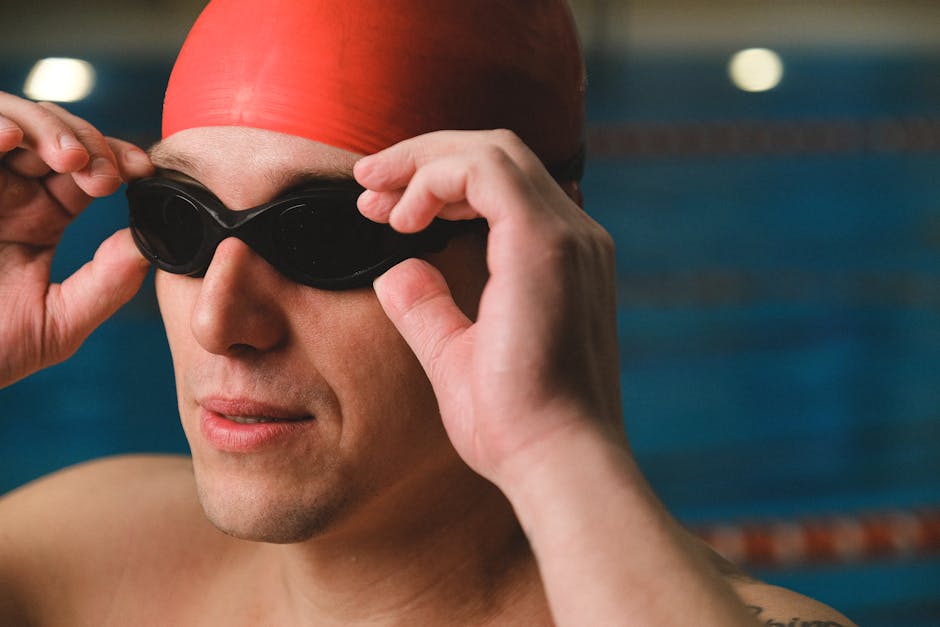
Goggle lenses are not all the same. Different lens types and coatings serve specific purposes, enhancing visibility and protecting your eyes in various swimming conditions. Choosing the right lens improves your experience significantly.
Consider where you swim. Indoor pools, open water, or bright outdoor pools each demand different lens characteristics. For instance, a clear lens offers minimal light reduction, ideal for dimly lit indoor sessions. Mirrored lenses, however, reduce glare effectively, making them perfect for sunny outdoor swimming or competition.
| Lens Type | Primary Use Case | Light Transmission | Key Benefit |
|---|---|---|---|
| Clear | Indoor pools, low light | High | Maximum visibility |
| Smoked/Tinted | Outdoor pools, general use | Medium | Reduces brightness |
| Mirrored | Bright outdoor pools, open water | Low | Blocks glare, reduces reflections |
| Polarized | Open water, variable light | Medium | Eliminates surface glare |
| Photochromatic | Variable conditions (indoor/outdoor) | Adapts | Changes tint based on light |
Clear vs. Tinted Lenses
Clear lenses are straightforward. They let in the most light, providing an accurate view of your surroundings. These are best suited for indoor pools with adequate lighting or overcast outdoor days. Tinted lenses, often gray or blue, reduce overall brightness. They work well for general outdoor swimming or brightly lit indoor pools, offering comfort without extreme glare reduction. Many TYR goggles, such as the Blackhawk Racing Mirrored, come in multiple tint options without being fully mirrored.
Anti-Fog and UV Protection
Most modern swimming goggles include anti-fog treatment and UV protection. Anti-fog coatings are critical for clear vision throughout your swim. This coating is delicate; avoid rubbing the inside of your lenses with towels or fingers. A gentle rinse with cool water after each use is usually sufficient. UV protection shields your eyes from harmful ultraviolet rays, especially important for outdoor and open water swimming. Look for labels indicating 100% UV protection. Brands like Aqua Sphere ensure full UVA/UVB protection across their range, including models like the Kayenne.
Silicone Gaskets vs. Foam Seals: A Deep Dive
The material used for the goggle’s seal impacts both comfort and leak resistance. Broadly, seals come in two main types: silicone gaskets and foam seals. Each has distinct characteristics that make them suitable for different swimmers and swimming styles. Understanding these differences helps in selecting the right pair for long-term satisfaction.
Silicone gaskets are the most common type. They are typically made from a soft, flexible silicone material that forms a tight, waterproof seal around the eye socket. This material is durable and resistant to chlorine and saltwater, which prolongs the goggle’s lifespan. Silicone is also hypoallergenic, making it a good choice for swimmers with sensitive skin. The flexibility of silicone allows it to conform to a wider range of facial shapes, often providing a more customized fit. However, silicone can sometimes create more pressure around the eyes, leading to “goggle marks” after prolonged use. Some swimmers find the suction of silicone less comfortable than the softer feel of foam.
Foam seals, in contrast, offer a softer, more cushioned feel against the skin. These seals are often made from an EVA foam or similar material. Foam provides a gentle interface, which many recreational swimmers find more comfortable for extended periods. They typically exert less pressure than silicone, reducing the likelihood of deep goggle marks. Foam seals are excellent for swimmers who prioritize comfort above all else or have particularly sensitive skin around the eyes. However, foam seals are less durable than silicone. They tend to absorb water over time, which can lead to bacterial growth if not properly dried. Chlorine and prolonged sun exposure can degrade foam more quickly, reducing its sealing effectiveness and requiring more frequent replacement of the goggles. Additionally, a foam seal might not provide as robust a waterproof barrier as silicone, especially during vigorous turns or dives, making them less ideal for competitive swimming where a completely watertight seal is . Maintenance for foam seals involves thorough rinsing and air drying after every swim to prevent mildew and extend their life.
Durability and Comfort Differences
Silicone gaskets offer superior durability. They resist degradation from chemicals and UV exposure far better than foam. This means a silicone-sealed goggle, with proper care, will last longer. Comfort is subjective. Silicone creates a stronger suction, which some find secure. Others find it creates too much pressure. Foam seals, by design, are softer. They compress more against the skin. This can feel more comfortable initially. However, foam’s absorbency means it can feel heavier when wet and may not hold its shape as well over time.
Maintenance and Longevity
Maintaining silicone goggles is relatively simple. Rinse them with cool, fresh water after each use. Let them air dry away from direct sunlight. Avoid wiping the inside of the lenses to preserve the anti-fog coating. Silicone maintains its elasticity for years with this care. Foam seals require more attention. They must be thoroughly rinsed and completely air-dried after every swim. Any residual moisture can lead to mold or mildew, which deteriorates the foam quickly. Foam seals generally have a shorter lifespan than silicone, especially with frequent use in chlorinated water. Expect to replace foam-sealed goggles more often.
Kids’ Goggles Need Different Standards

When selecting goggles for children, the emphasis shifts slightly. Comfort, ease of adjustment, and safety features become . Kids are less tolerant of leaks or uncomfortable pressure. Look for softer materials and simple strap adjustments. Many children’s goggles, like those from Zoggs, feature quick-release buttons or single-pull straps for easy tightening and loosening, making them manageable for small hands.
Common Goggle Problems and Quick Fixes
Even the best goggles can develop issues. Understanding common problems and simple solutions keeps your swim uninterrupted. Most issues relate to fit, maintenance, or material degradation. Addressing these quickly prevents frustration.
-
Leaking Issues
Persistent leaks usually signal a poor fit. First, re-check the nose bridge adjustment. A common mistake is overtightening the head strap; this can distort the goggle seal, actually causing leaks rather than preventing them. Loosen the strap slightly. Ensure no hair is caught under the seal. For stubborn leaks, try a different goggle model. Your face shape might not be compatible with that specific design. Sometimes, a tiny crack in the frame or a worn-out seal can be the culprit. Inspect the gasket for tears or hardening.
-
Persistent Fogging
New goggles come with an anti-fog coating. This wears off over time. To prolong its life, never wipe the inside of the lenses. Rinse them gently with cool water after each swim. If fogging persists, use an anti-fog spray or solution. Apply it, rinse lightly, and let air dry. Some swimmers use a diluted baby shampoo solution. Always test new treatments on a small area first. Over-tightening can also increase fogging due to reduced airflow and increased skin temperature around the eyes.
-
Strap Breakage
Goggle straps are usually made of silicone or rubber. They can degrade and break, especially from chlorine exposure and sunlight. To extend strap life, rinse after use and store goggles in a protective case. Avoid leaving them in direct sun. If a strap breaks, many brands offer replacement straps. Speedo and TYR often have widely available replacement options. Replacing a strap is more cost-effective than buying new goggles if the lenses and seals are still in good condition.
Ask The Experts: Your Goggle Questions Answered
Swimmers frequently have questions about goggle longevity, usage, and care. Here are direct answers to some common inquiries.
How often should I replace my goggles?
Replace your goggles when the seal no longer holds, the lenses become scratched, or the anti-fog coating completely fails. For frequent swimmers (3+ times a week), this might be every 6-12 months. Recreational swimmers might get 1-2 years. Visible signs of wear on the strap or gasket, like cracking or hardening, also indicate it’s time for new goggles.
Can I wear contact lenses with swimming goggles?
Yes, you can wear contact lenses with swimming goggles. However, always ensure your goggles have a tight, leak-free seal. Water ingress, even a small amount, can introduce bacteria to your eyes, leading to irritation or infection. Disposable daily contact lenses are often recommended for swimming to minimize risks. Remove contacts immediately if water gets into your eyes. Rinse your eyes with sterile saline solution.
What’s the best way to clean goggle lenses?
The best way to clean goggle lenses is with cool, fresh water. After each swim, gently rinse the entire goggle. Do not rub the inside of the lenses; this will remove the anti-fog coating. If the outside of the lenses has dirt or grime, a very soft cloth or your finger can gently wipe it, but avoid harsh chemicals or abrasive materials. Let the goggles air dry completely before storing them in a protective case.
Top Picks for Specific Swimming Needs
Matching your goggles to your swimming environment and style enhances performance and comfort. Different conditions demand specific features. Prioritize what matters most for your typical swim. Consider the light, the water body, and the intensity of your activity.
Best for Open Water Swimming
For open water, you need wide peripheral vision, strong UV protection, and often polarized or photochromatic lenses. The Aqua Sphere Kayenne is a consistent top performer. It features an oversized lens with a 180-degree field of vision. The Quick-Fit buckle system makes strap adjustments simple and secure, even while wearing the goggles. Many versions offer polarized lenses to cut glare on the water’s surface, crucial for sighting buoys or landmarks. The comfortable silicone skirt provides a reliable seal for extended wear.
Best for Lap Training
For regular lap swimming, durability, a secure fit, and reliable anti-fog are key. The Speedo Vanquisher 2.0 is a classic choice. It offers excellent hydrodynamics, a low-profile design, and multiple nose bridge sizes for a customizable fit. The wide peripheral vision is good for spotting other swimmers in busy lanes. Its robust construction holds up to daily training. The anti-fog properties are generally long-lasting with proper care, making it a reliable workhorse for serious swimmers.
Best for Recreational Swimmers
Recreational swimmers prioritize comfort and ease of use. The TYR Blackhawk Racing Mirrored, while technically a racing goggle, offers a surprising level of comfort for its low profile. It has a broad range of color and lens options, including non-mirrored. The soft gaskets conform well to many faces, and the double silicone strap provides a secure, yet not overly tight, fit. It’s a versatile choice that performs well without being overly complex to adjust or maintain, perfect for casual pool visits or vacations.