
Winter Hiking Safety Tips for Ice and Short Daylight
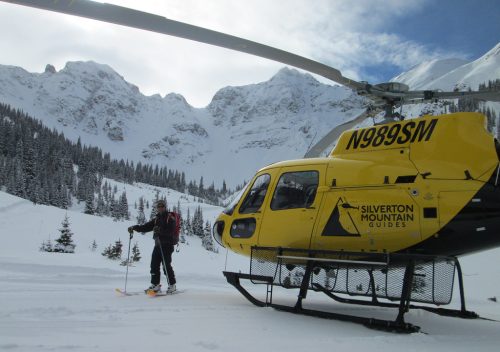
Winter hiking safety depends on traction, warm layers, timing, and conservative route choices.
Winter hiking safety depends on traction, warm layers, timing, and conservative route choices.
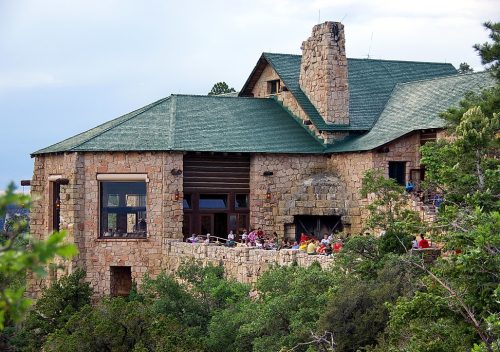
A national park day bag should be light, weather-ready, and organized for long walks.
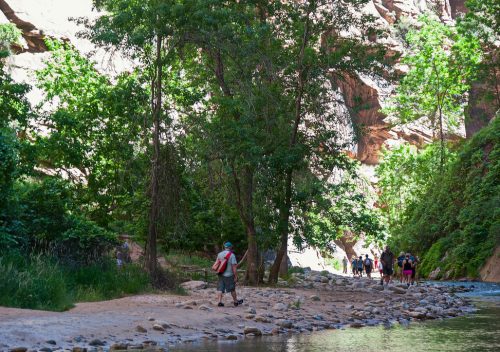
Trekking poles help when the length, wrist straps, and trail rhythm are set correctly.
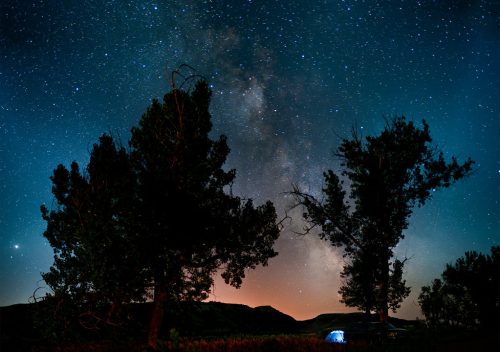
Outdoor lanterns should provide safe light without glare, heavy batteries, or awkward setup.
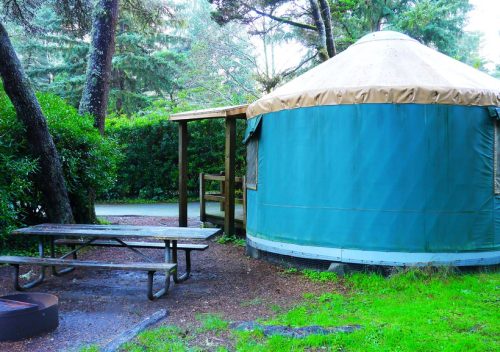
Beach camping needs extra attention to shade, wind, sand control, and food storage.
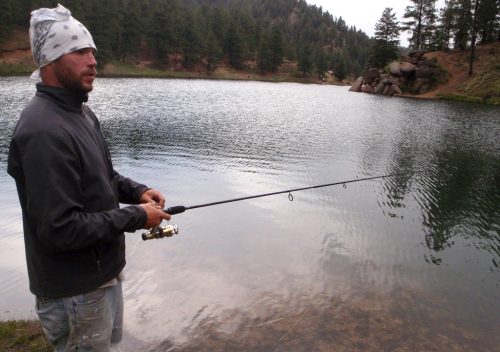
A real-world fishing rod setup depends on species, water type, line, lure, and comfort.
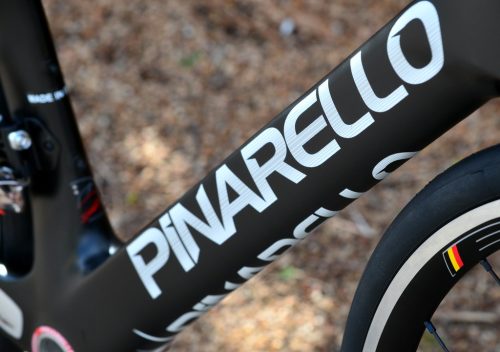
Warm weather cycling requires steady drinking, electrolyte planning, and shaded breaks.
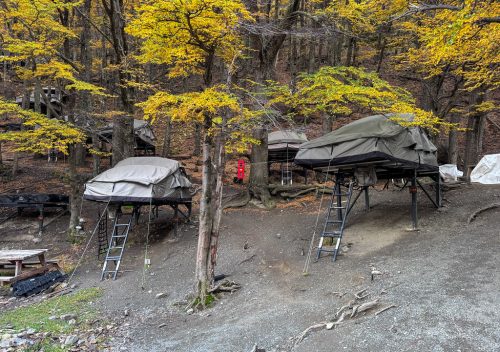
Backpacking meals should be light, filling, simple to cook, and easy to clean up.

A rain jacket should match the route, season, ventilation needs, and pack space.
Hikers should know how to combine phone GPS, paper maps, landmarks, and battery backup.