Indian Cyclists’ Dilemma: Choosing the Right Bicycle Brand for Every Ride
Finding the right bicycle in India can feel like navigating a maze. The market is vast, with brands ranging from heritage names to modern performance giants. My research consistently points to a clear hierarchy for various needs. For sheer accessibility and value across segments, Hero Cycles remains unparalleled. However, for those seeking performance and a more premium experience, Firefox Bikes and Montra consistently deliver. Decathlon’s B’Twin range offers exceptional value, particularly for beginners and leisure riders.
Initial Verdict: The Brands Dominating India’s Cycling Scene
When you look at the landscape of cycling in India, a few names invariably rise to the top, not just in terms of sales volume but also brand recognition and product diversity. These brands have carved out niches, catering to everyone from the daily commuter to the weekend trail blazer. My deep dive into user reviews, market share, and product specifications highlights these as the most impactful.
Hero Cycles: The Ubiquitous Choice
Hero Cycles is arguably the most recognized name in Indian cycling, a legacy brand that has been on roads for decades. They hold a massive market share, primarily due to their extensive network, affordability, and a product line that covers almost every imaginable category: kids’ bikes, city bikes, mountain bikes, and increasingly, electric bicycles under their Lectro sub-brand. What makes Hero stand out is their ability to offer reliable, no-frills cycling for the masses. For instance, models like the Hero Sprint ranges, which often retail between ₹8,000 to ₹15,000, are excellent entry points for urban commuting or light recreational use. Their parts are widely available, and servicing is generally straightforward, making them a practical choice for most Indian households.
Firefox Bikes: For the Enthusiast
Firefox Bikes, now a part of Hero Cycles, has successfully positioned itself as a premium offering in the Indian market. They cater to a more discerning cyclist—someone looking for better components, refined aesthetics, and improved performance, particularly in the mountain and hybrid bike segments. Firefox bikes often feature better gearsets from Shimano, lighter alloy frames, and more responsive braking systems than their budget counterparts. A popular model like the Firefox Rapide 21S, typically priced around ₹20,000 to ₹25,000, is a strong contender for fitness enthusiasts and daily commuters who want a faster, more agile ride. While their price point is higher, the jump in build quality and riding experience is noticeable.
Montra: Performance on a Budget
Montra, from TI Cycles of India (part of the Murugappa Group), has emerged as a strong competitor in the performance segment, often bridging the gap between mass-market bikes and imported premium brands. Montra focuses on offering well-spec’d bikes at competitive prices, making performance cycling more accessible. Their range includes capable mountain bikes, comfortable hybrids, and some respectable entry-level road bikes. The Montra Blues series, for example, offers comfortable hybrid options around ₹18,000 to ₹22,000, while their Montra Trance Pro road bike series provides a taste of road cycling starting from around ₹25,000, a significant value proposition for cyclists venturing into faster rides. They often use quality components like Shimano groupsets and offer sturdy alloy frames.
Don’t just look at the brand name; consider your intended use case first. A premium brand mountain bike is overkill for city commuting, and a budget city bike will struggle on trails.
Understanding Your Ride: Types of Bicycles for Indian Roads
Before even thinking about brands, it’s crucial to identify the type of bicycle that best suits your needs and the specific terrain you’ll be tackling. India’s diverse landscape—from bustling city streets to rugged mountain trails—demands different bike designs. Choosing the wrong type can lead to an uncomfortable, inefficient, or even unsafe riding experience.
Road Bikes vs. Hybrids
Road bikes are designed for speed and efficiency on paved surfaces. They feature lightweight frames, drop handlebars for aerodynamic positions, and narrow, high-pressure tires. They excel on smooth roads and are the choice for competitive cyclists or those looking to cover long distances quickly. However, their aggressive geometry and lack of suspension make them less suitable for pothole-ridden Indian city streets or gravel paths. Entry-level road bikes usually start around ₹20,000 to ₹30,000 for reputable brands.
Hybrid bikes, on the other hand, are the versatile workhorses of the cycling world. They combine features from both road and mountain bikes, offering a comfortable, upright riding position, flat handlebars, and tires that are wider than road bikes but narrower than mountain bikes. This makes them ideal for urban commuting, fitness rides on varied surfaces, and light touring. Many Indian cyclists find hybrids to be the perfect balance for navigating city traffic while also being capable of weekend leisure rides on slightly rougher terrain. They often come with mounting points for racks and fenders, enhancing their practicality.
Mountain Bikes and Urban Terrain
Mountain bikes (MTBs) are built for off-road adventures. They feature robust frames, wide knobby tires for traction, powerful brakes (often disc brakes), and crucial suspension systems (front suspension or full suspension) to absorb shocks from rough terrain. While their natural habitat is trails and unpaved paths, many riders in India opt for MTBs for city commuting due to the notoriously poor road conditions. The suspension helps soak up bumps, and the wider tires provide stability. However, they are heavier and slower on paved roads compared to road or hybrid bikes due to their rolling resistance and less aerodynamic design. Hardtail MTBs (front suspension only) are a popular and more affordable choice, with decent models starting from around ₹15,000.
Electric Bicycles: The New Frontier
Electric bicycles, or e-bikes, are rapidly gaining popularity in India, especially in urban areas. These bikes integrate an electric motor and battery to provide pedal-assist, making cycling easier, particularly for uphill climbs, longer commutes, or for riders who want to reduce exertion. E-bikes are excellent for those looking to commute without arriving sweaty, for older riders, or anyone wanting to extend their cycling range. They come in various forms—city e-bikes, e-MTBs, and even e-road bikes. The primary drawback is their higher cost, typically ranging from ₹25,000 to upwards of ₹60,000 for good quality models, and the need for regular charging. Battery life and motor power are key considerations when choosing an e-bike.
Choosing Your Frame Material: Steel, Alloy, or Carbon Fiber?
| Material | Pros | Cons | Typical Use Case | Price Range (Bike) |
|---|---|---|---|---|
| Steel | Durable, comfortable (absorbs vibrations), affordable, easy to repair. | Heavier, can rust if not maintained. | City commuting, touring, budget bikes. | ₹8,000 – ₹18,000 |
| Aluminum Alloy | Lightweight, stiff (efficient power transfer), rust-resistant, affordable. | Harsher ride (transmits vibrations), less durable than steel for impact. | Fitness, hybrids, entry-level road/MTB. | ₹15,000 – ₹40,000 |
| Carbon Fiber | Extremely lightweight, excellent vibration damping, highly compliant. | Expensive, fragile (can crack on impact), difficult to repair. | High-performance road, MTB racing. | ₹50,000+ |
The frame material of a bicycle significantly impacts its weight, ride quality, durability, and cost. For most Indian riders, the choice boils down to steel or aluminum alloy, with carbon fiber being a high-end option for serious enthusiasts.
Weight and Durability Trade-offs
Steel frames offer a wonderfully compliant ride, absorbing road vibrations to make longer journeys more comfortable. They are incredibly durable and forgiving, often bouncing back from impacts that would dent or crack other materials. The main downside is their weight. For a casual rider or daily commuter, the extra couple of kilograms aren’t a deal-breaker. However, if you live in an apartment building without an elevator, or plan to carry your bike frequently, that weight can become a nuisance. Brands like Hero and Atlas extensively use steel for their budget and city-oriented bicycles.
Aluminum alloy frames are the most common choice for mid-range bicycles today. They are significantly lighter than steel, making bikes easier to accelerate, climb, and carry. The stiffness of aluminum also translates to more efficient power transfer, meaning less energy is lost when you pedal. The trade-off is often a harsher ride, as aluminum doesn’t absorb vibrations as well as steel, and it can be more susceptible to fatigue cracking over many years of heavy use, though modern alloys are quite robust. Firefox and Montra predominantly feature alloy frames in their performance lines. For most riders seeking a balance of performance and practicality, aluminum alloy is often the sweet spot.
Carbon fiber is the material of choice for professional racing and high-performance bikes. It offers an unparalleled combination of low weight, strength, and the ability to be engineered for specific ride characteristics—being stiff where power transfer is needed and compliant where comfort is desired. The major hurdles are its high cost and its vulnerability to point impacts, which can cause catastrophic frame failure. For the vast majority of cyclists in India, carbon fiber is an aspirational material, not a practical everyday choice.
Key Considerations Beyond the Brand Tag: What Really Matters

- Your Budget: Be realistic. A higher budget generally translates to better components, lighter frames, and more durable parts. However, a well-chosen budget bike for your needs is always better than an expensive bike that sits unused.
- Intended Use: Daily commute, weekend fitness, off-road trails, long-distance touring? This dictates the bike type.
- Fit and Comfort: This is . An ill-fitting bike can cause pain and injury. Always ensure the frame size is correct for your height and inseam. Adjusting saddle height and handlebar position can fine-tune comfort.
- Local Terrain: Hilly area? Pothole-ridden roads? Smooth tarmac? This impacts your choice of gears, suspension, and tire width.
Gearing Systems: Shimano vs. SRAM
The gearing system, or groupset, is the heart of a bicycle’s performance. In India, you’ll primarily encounter bikes equipped with components from Shimano or, less commonly, SRAM. Shimano dominates the market across all price points, from entry-level Tourney and Altus series on budget bikes (found on many Hero and Montra models) to mid-range Alivio and Deore, and high-end 105 or Ultegra on performance road bikes. Shimano is known for its smooth, reliable shifting and widespread availability of parts. SRAM offers comparable performance, often with a slightly different feel and ergonomics, but their presence is more common on higher-end mountain bikes or imported models. For the average rider, the specific series (e.g., Shimano Altus vs. Acera) often matters more than the brand itself, with higher series offering more gears, smoother shifts, and better durability.
Suspension and Ride Comfort
Suspension systems are crucial for absorbing shocks and vibrations, significantly impacting ride comfort and control, especially on rough surfaces. Most entry-level mountain bikes and some hybrids feature a front suspension fork (hardtail). These forks typically offer 80mm to 100mm of travel, adequate for absorbing bumps from potholes and light trails. Look for forks with a lockout feature, which allows you to stiffen the suspension for more efficient pedaling on smooth roads. Full suspension bikes, with both front and rear shock absorbers, are reserved for serious off-road riding and are significantly more expensive and complex to maintain. For urban commuting, a good quality front suspension can be a blessing on uneven Indian roads, but an overly soft or poorly damped suspension can sap pedaling efficiency.
Wheel Size and Tire Choice
Common wheel sizes in India include 26-inch, 27.5-inch, and 29-inch for mountain bikes, and 700c for road and hybrid bikes. 26-inch wheels are still found on many budget MTBs, offering quick acceleration and maneuverability. 27.5-inch is a popular compromise, balancing agility with better rolling over obstacles. 29-inch wheels (or 29ers) excel at rolling over obstacles and maintaining momentum, making them fast on trails and rough roads, but they are less agile. For road and hybrid bikes, 700c is the standard, optimized for speed. Tire choice is equally important. Wider, knobbier tires (2.0-2.4 inches) offer grip and comfort on trails, while narrower, slicker tires (25-35mm) reduce rolling resistance for speed on pavement. Hybrid bikes often use tires in the 35-45mm range, offering a good balance of speed and comfort.
Always test ride a bicycle before buying. Specifications on paper don’t tell the whole story; how a bike feels under you is ultimately what matters most.
Detailed Brand Spotlight: Performance and Price Points
Now, let’s look at some specific examples from these leading brands that cater to different needs and budgets, providing concrete options for your consideration. Prices are approximate as of 2026 and can vary based on retailer and promotions.
Hero Lectro E-Bikes: Commuting with Ease
Hero Cycles has made significant inroads into the electric bicycle segment with its Lectro brand. One standout model for urban commuters is the Hero Lectro C5. Priced around ₹30,000 to ₹35,000, this e-bike offers a comfortable upright riding position, a sturdy alloy frame, and a 250W rear hub motor providing pedal assist up to 25 km/h. Its 5.8 Ah battery typically offers a range of 25-30 km on a single charge, making it ideal for daily commutes within the city. Features like disc brakes and integrated lights add to its practicality and safety. It’s a robust, low-maintenance option for those looking to embrace electric cycling without breaking the bank.
Firefox Rapide 21S: A Commuter’s Favorite
For the rider seeking a reliable, agile hybrid for fitness and daily commuting, the Firefox Rapide 21S is a perennial favorite. Generally available for ₹20,000 to ₹23,000, this bike features a lightweight alloy frame, a dependable Shimano Tourney 21-speed groupset for smooth gear changes, and efficient V-brakes. Its 700c wheels with moderately wide tires (around 35c) strike a good balance between speed on tarmac and comfort over minor road imperfections. The upright geometry and comfortable saddle make it suitable for longer rides, while its sturdy construction ensures it can handle the rigors of city life. It’s a step up in performance and build quality from basic steel-framed bikes.
Montra Trance Pro: Entry-Level Road Performance
If you’re eyeing road cycling but are hesitant about the high price tag of specialized racing bikes, the Montra Trance Pro offers an excellent entry point. Retailing around ₹25,000 to ₹28,000, this road bike typically comes with an aluminum alloy frame and fork, a Shimano Claris or Sora 16-speed groupset, and caliper brakes. While not a top-tier racing machine, it provides a genuine taste of road bike geometry and efficiency. The narrow 700c tires and drop handlebars encourage a faster, more aerodynamic riding style. It’s an ideal choice for new road cyclists who want a responsive bike for fitness rides, club rides, or even amateur racing on relatively smooth roads, without making a significant financial commitment to carbon fiber models.
Factor in accessory costs – a helmet, lock, and lights are non-negotiable safety items that often add 10-15% to your initial bicycle purchase.
A Quick Take on Decathlon’s B’Twin Range
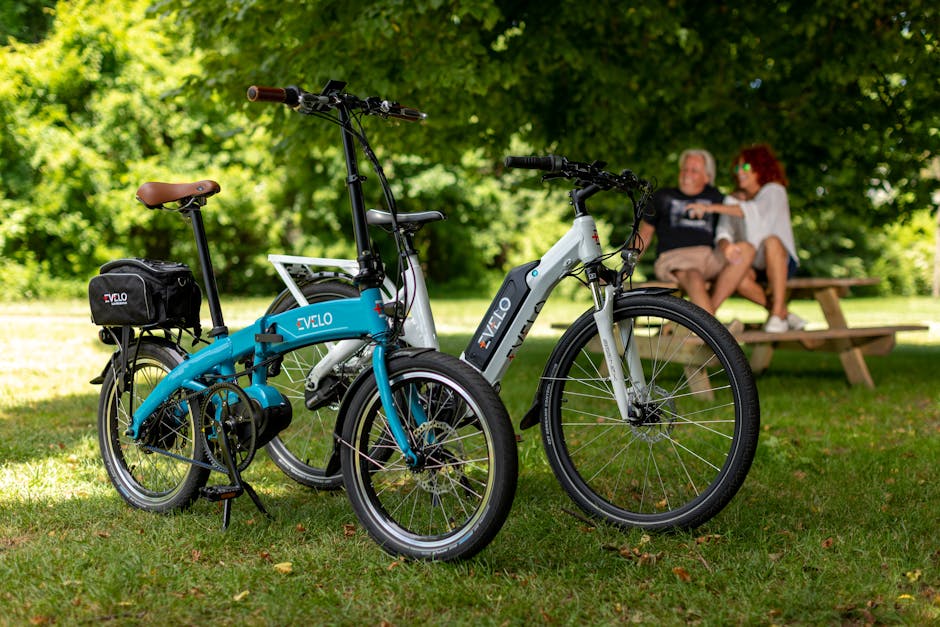
Decathlon’s B’Twin range deserves a special mention for its incredible value proposition. While not an Indian brand, their widespread presence across major cities and their focus on quality at accessible price points make them a significant player. For beginners, leisure riders, and kids, B’Twin offers highly functional and durable bikes that often outperform similarly priced local options in terms of component quality and finish. Their after-sales service and warranty are also notable advantages.
Maintaining Your Investment: Tips for Longevity
A bicycle, regardless of its brand or price, is an investment. Proper maintenance not only ensures a safe and enjoyable riding experience but also significantly extends the life of your bike and its components. Neglecting simple upkeep can lead to premature wear, costly repairs, and a less efficient ride.
How often should I service my bicycle?
For regular commuters or fitness riders using their bike several times a week, a minor service every 3-6 months is advisable. This includes checking brakes, gears, tire pressure, and chain lubrication. A major service, which involves a more thorough inspection, bearing overhauls, and deep cleaning, should ideally be done once a year or every 2,000-3,000 km, whichever comes first. If you ride in harsh conditions—muddy trails, heavy rain, or dusty environments—you’ll need more frequent checks and cleaning, perhaps monthly, to prevent grime from damaging components.
What are essential maintenance tasks I can do myself?
Several basic maintenance tasks can be easily performed at home, saving you time and money. Regularly clean and lubricate your chain: a clean, well-oiled chain reduces friction, improves shifting, and extends the life of your drivetrain. Check your tire pressure before every ride; riding on under-inflated tires increases rolling resistance and the risk of punctures. Inspect your brake pads for wear and ensure they are properly aligned. Quick-release levers on wheels and seat posts should be checked for tightness. Periodically wipe down your frame to remove dirt and grime, especially after riding in wet conditions, to prevent rust (on steel frames) and keep your bike looking good. Learning to fix a flat tire is also a fundamental skill every cyclist should possess.
When should I replace parts like tires or brake pads?
Tires typically need replacement when the tread wears thin, or cracks appear on the sidewalls. Many tires have wear indicators, small dimples or lines, that disappear when it’s time for a new one. A good rule of thumb is every 2,000-5,000 km, depending on your riding style and road surfaces. Brake pads should be replaced when the rubber material wears down to about 1-2mm thickness, or if they harden and lose their effectiveness. You’ll often notice reduced braking power or hear squealing. Chains stretch over time, which can damage your cassette and chainrings; a chain checker tool can tell you when it’s time for a replacement, typically every 1,000-3,000 km. Replacing these parts proactively prevents more expensive damage to other components.
The Indian cycling landscape is constantly evolving, with new technologies like e-bikes and advanced materials becoming more accessible. What remains constant is the joy of discovery and the personal freedom a bicycle offers. The future will likely see even more specialized options, but the core principles of matching the bike to the rider and terrain will always hold true.