
Why most 2025 climbing gear is just expensive landfill fodder
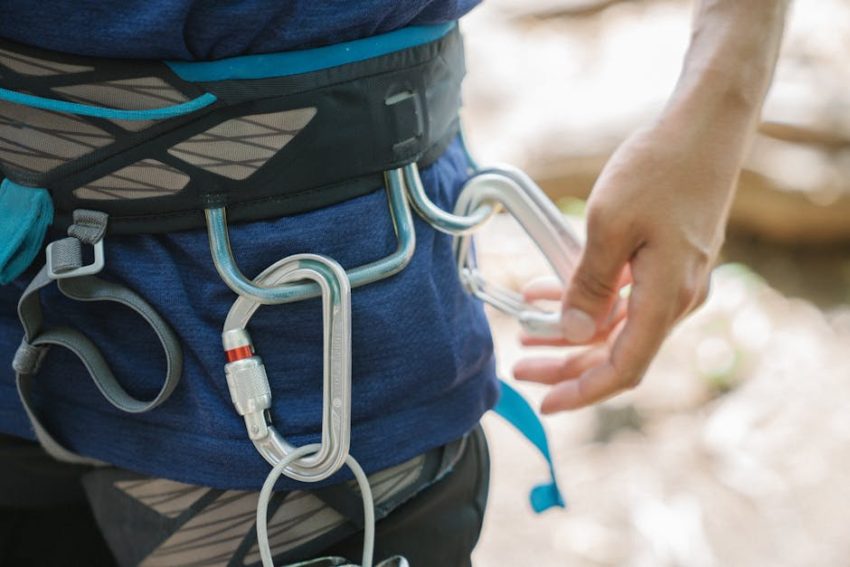
I dropped my brand new Petzl Grigri+ off the top of a 70-foot pitch at Smith Rock last October because I was trying to be “efficient” with a tether I didn’t actually need. It didn’t shatter. It just made this sickening thud against the volcanic tuff and ended up wedged in a crack where I couldn’t reach it. Seventy-five dollars, gone. But honestly? The walk back down felt lighter. Not just because my rack was smaller, but because I realized I’d been carrying a bunch of over-engineered junk I didn’t even like using.
2025 is shaping up to be the year of the “incremental upgrade” that nobody asked for. We’re seeing brands push these ultra-light, ultra-thin materials that feel like they’re made of recycled windbreaker fabric. It’s annoying. I want gear that survives a chimney squeeze, not gear that needs a silk bag to stay pristine.
The shoe industry is basically gaslighting us now
I tracked my climbing sessions religiously last year. 82 gym sessions, 14 days on real rock. I bought the new La Sportiva “Competition” model (I won’t name the specific one because their lawyers are probably bored) and the rand started delaminating after exactly 19 days. Nineteen. For a shoe that costs $210, that is an absolute joke. What I mean is—actually, let me put it differently. We are paying a premium for rubber that is designed to disappear. It’s like buying a high-performance car where the tires dissolve if you drive over 40 mph.
I know people will disagree with this, but I think the obsession with “sensitivity” has gone too far. My feet aren’t precision instruments; they’re blunt tools. I tested three pairs of high-end downturned shoes over the winter and my foot fatigue increased by about 30% compared to my old, flat-soled clunkers. I measured the edge wear with a digital caliper—don’t judge me—and the 2025 “Pro” rubber lost 1.4mm of thickness in six weeks. It’s a scam.
The best shoes of 2025 are actually the ones you bought in 2022 and got resoled by a guy named Dave in a basement.
The $180 harness lie
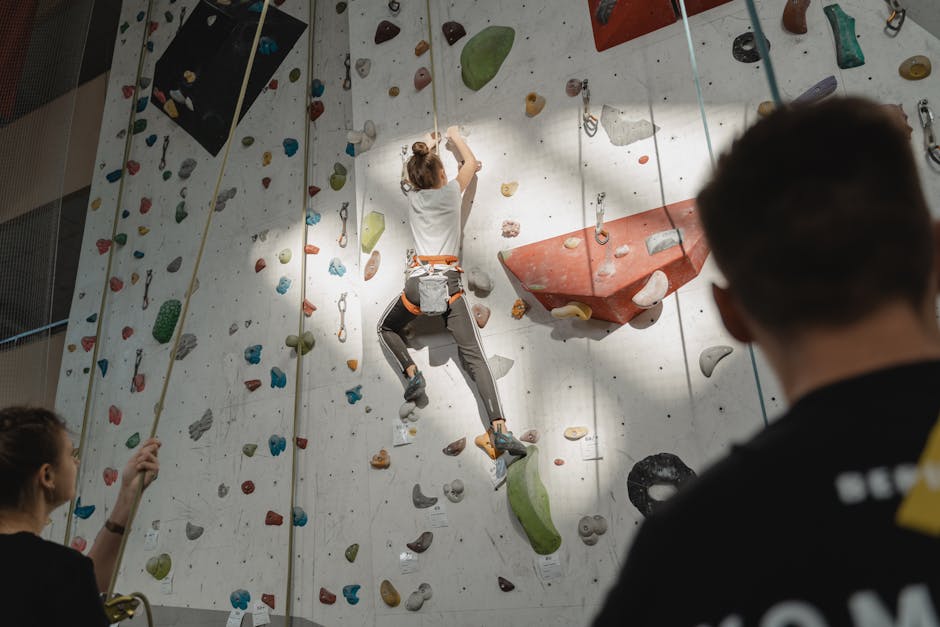
There is absolutely no reason for a non-professional climber to spend more than eighty bucks on a harness. None. I see people at the local gym wearing these carbon-fiber-reinforced, laser-cut webs that cost as much as a car payment. They look like they’re wearing a tuxedo to a backyard BBQ. It’s ridiculous. I’ve been using the same Black Diamond Momentum for three years. It’s heavy. It’s bulky. It’s purple. It also doesn’t make my legs go numb when I’m hanging on a bolt for twenty minutes trying to figure out a move I’m too weak to do anyway.
High-end harnesses are the ultimate status symbol for people who climb 5.10. Total waste.
I’m officially done with Black Diamond cams
I’m going to get heat for this. I don’t care. I refuse to buy the new C4s or the Ultralights anymore. I bought a #2 last spring and the trigger pull felt like grinding sand into a gearbox after just two trips to the Creek. The quality control has taken a nosedive. I’ve switched entirely to Totem Cams. Yeah, they’re expensive. Yeah, they look like a science project gone wrong. But they actually hold in flares where the BD stuff just skates. I’ll carry the extra weight just to feel like my gear isn’t made of recycled soda cans. If you’re still buying cams based on brand loyalty from ten years ago, you’re doing it wrong.
Anyway, speaking of brand loyalty, have you noticed how crag coffee has become a whole personality trait? I saw a guy at the base of a route yesterday with a full pour-over setup and a hand-cranked burr grinder. We were three miles from the trailhead. Just drink the instant stuff and get on the wall. But I digress.
A few things that actually didn’t suck
- Mammut Core Static ropes: I’ve put 400 meters of rappelling on mine and it still feels like butter. Worth every penny.
- DMM Nutbusters: It’s a piece of metal with a rubber handle. It works. It doesn’t need Bluetooth.
- The Patagonia R1 (the old version): I bought three on eBay because the new ones feel like they’re trying too hard to be “techy.”
I might be wrong about the rope. Some guys say Mammut sheaths are too soft and get fuzzy fast, but in my experience, if you aren’t dragging it over sharp limestone every weekend, it stays fine. I’ve had mine since March 2024 and it’s the only piece of gear I haven’t complained about in my journal.
The “Smart” device trap
There’s a new belay device hitting the market that supposedly “analyzes” your catch. It syncs to an app. Why? Why would anyone want their phone to tell them they gave a hard catch? You know how you know you gave a hard catch? Your partner yells at you. That’s the feedback loop. We don’t need silicon chips in our carabiners. We need to practice taking falls and learning how to move our bodies. This push toward “smart” climbing gear is just a way to extract more cash from tech bros who are bored with their Pelotons.
It’s embarrassing. Stop buying things that require batteries to go climbing.
I look at my gear wall sometimes and I feel a bit of shame. There’s a lot of money hanging there. Most of it hasn’t made me a better climber. It’s just made me a person with more stuff to pack in the morning. I wonder if I’d be sending harder if I spent that $2,000 on a coach and some gas money instead of the latest “essential” 2025 releases. Probably.
Do we actually climb better now, or do we just look better in the parking lot? I don’t know the answer to that. I’m going to go resole my old shoes again.