Bicycle Brands Worth Buying: An Honest Brand-by-Brand Breakdown
The cycling market has a brand problem. You’ll find bikes from Trek, Giant, no-name Amazon sellers, and big-box store labels all sitting at similar price points — and the quality gap between them is enormous. This guide cuts through that by naming specific brands and models worth buying, explaining what separates good brands from overpriced ones, and flagging the mistakes that send buyers back to the store within a year.
What Actually Separates One Bicycle Brand From Another
Frame quality control is the first real separator. Most mid-range bikes — including those from major brands — are manufactured in a small number of Taiwanese factories. What differs is the specification sheet each brand submits: wall thickness tolerances, heat treatment standards, weld finishing requirements. A brand that enforces tight quality control produces a consistent product. A brand that buys frames from the same factories but accepts looser standards produces inconsistent results — and you can’t tell which one you got until something fails.
Component specification honesty is the second differentiator. Every bike brand publishes a spec sheet listing the drivetrain, brakes, and wheels. Reputable brands — Trek, Giant, Specialized, Cannondale — list what ships. Lesser-known brands, especially direct-to-consumer brands with heavy social media advertising, have a documented pattern of listing a name-brand component (say, a Shimano rear derailleur) while shipping generic or unbranded components everywhere else on the bike. Read the full spec sheet, not just the headline features.
Dealer support and parts availability determine what happens two years after you buy. A brand with wide dealer presence means you can get your bike serviced locally, find replacement parts easily, and handle warranty claims without shipping anything. A brand with thin dealer coverage means a broken derailleur hanger can sideline you for two weeks while waiting for a part to arrive.
Warranty terms reveal a brand’s confidence in its own product. Strong brands offer lifetime or multi-year frame warranties. Budget brands often offer one year. That gap tells you something real about manufacturing confidence — and factors into your total cost of ownership over three years.
Finally, resale value tracks brand reputation closely. A five-year-old Specialized Allez will fetch significantly more on the used market than a five-year-old generic road bike at the same original price. If there is any chance you’ll upgrade within three years, brand choice is a financial decision, not just a riding one.
Five Bicycle Brands Worth Your Money, Ranked and Explained
These brands consistently deliver across price ranges — not just at the top tier, where nearly any brand can produce something good.
1. Trek
Trek is the default recommendation for most buyers, and it earns that position. The brand covers every category — mountain, road, gravel, commuter, e-bike — with consistent build quality at each price point. The Trek Domane AL 2 ($1,099) is an endurance road bike with an aluminum frame, carbon fork, and Shimano Claris groupset. For mountain trails, the Trek Marlin 7 ($979) ships with a 1×10 drivetrain and hydraulic disc brakes — a spec level many competitors reserve for bikes priced $200 higher.
Trek’s biggest practical advantage isn’t the bikes themselves. It’s the dealer network: over 1,700 authorized US retailers means local service is almost always accessible. Trek also backs aluminum and carbon frames with a lifetime warranty, one of the strongest policies in the industry.
2. Giant
Giant manufactures its own frames rather than outsourcing to third-party factories, which gives the company unusually tight control over quality at every price point. The Giant Talon 3 ($600) runs Shimano components throughout — no generic mixing — with a hydroformed aluminum frame and mechanical disc brakes. At $600, competitors routinely cut corners on the drivetrain or brake quality. Giant doesn’t.
For road riding, the Giant Contend 3 ($900) is an honest entry-level option: aluminum frame, Shimano Claris, reliable geometry. Giant’s women’s sub-brand Liv follows identical quality standards and is worth considering for shorter riders who struggle with standard frame sizing.
Tip: When comparing two bikes at the same price, check the brake type first. Hydraulic disc brakes are more expensive to manufacture than mechanical disc or rim brakes. A $700 bike with hydraulic brakes has made the right spending decision. A $700 bike with rim brakes that markets itself on other features has made the wrong tradeoff for most riding conditions.
3. Specialized
Specialized invests more in rider-forward geometry research than most brands at its scale. Their Body Geometry fit system produces bike sizing that works across a wider range of body types than standard sizing charts. The Specialized Rockhopper Comp ($750) is a hardtail mountain bike that competes seriously against Trek and Giant equivalents: 1×8 Shimano drivetrain, hydraulic disc brakes, 29-inch wheels.
The Specialized Allez Sport ($1,200) is the road entry point worth targeting. It pairs an aluminum frame with a FACT 9m carbon fiber fork — a specification that meaningfully changes how the bike absorbs road vibration compared to aluminum or steel forks at the same price. That fork upgrade alone justifies the slight premium over Trek’s equivalent road offering for pavement-focused riders.
4. Cannondale
Cannondale builds bikes with a noticeably stiffer ride quality than most aluminum frames at the same price. This suits road and gravel cyclists who want responsive feedback from the terrain; it is less appealing for riders who prioritize comfort on rough pavement. The Cannondale Trail 8 ($750) handles hardtail mountain riding well. The Cannondale Synapse 3 ($1,450) is where the brand really earns its premium — endurance road geometry, carbon fork, Shimano 105 rear derailleur. Budget options from Cannondale are fewer and less competitive than Trek or Giant at comparable prices, so this brand rewards buyers who are ready to spend at least $1,200.
5. Orbea
Orbea is a Spanish cooperative manufacturer that sells through dealers and directly to consumers. The brand specs bikes with better components than the price suggests. The Orbea MX 50 ($799) ships with a Shimano Deore 1×10 drivetrain — a groupset that typically appears on bikes priced $200 to $300 higher from other brands. Orbea also offers component and color customization at the point of purchase through their MyO program, a level of personalization no other brand in this price range matches. The trade-off: dealer presence in the US is thinner than Trek or Specialized, so factor in service access before buying.
Tip: If this is your first bike, brand matters less than fit. A properly fitted Giant at $700 will outperform a poorly fitted Specialized at $1,200 on every metric that actually affects enjoyment. Before finalizing any purchase, visit a local bike shop and ask for a physical fit assessment — most retailers who sell that brand offer it at no charge.
Budget Brands That Don’t Disappoint
Not every rider needs to spend $700 or more. Occasional weekend riders, flat-route commuters, and people testing whether cycling will stick have real options under $500.
Decathlon’s BTwin line is the strongest budget option in the category. The BTwin RC 120 road bike ($399) has a steel frame, Shimano Tourney components, and rim brakes — honest specs for the price, nothing inflated. Decathlon is unusually transparent about component selection compared to most budget brands. One limitation: some BTwin components use Decathlon-specific sizing, so replacements require Decathlon parts or a shop with experience modifying the setup.
Co-op Cycles (REI’s house brand) produces the ADV 1.1 ($649), a gravel-capable adventure bike that holds up to light off-road use. It is not as refined as Giant or Orbea at the same price, but REI’s 1-year return policy and nationwide service network make it a low-risk first purchase for buyers who have not settled on a riding style yet.
Fuji deserves more mention than it gets. The Fuji Nevada 1.9 ($499) is a hardtail mountain bike with genuine Shimano components across the drivetrain and a build quality that does not cut corners at the wheel or brake level. Because Fuji generates less brand buzz than Trek or Specialized, used market prices are consistently lower — an advantage if you are buying secondhand.
Tip: At any price under $600, the component brand is the quality signal. Shimano’s entry-level groupsets — Tourney, Altus, Acera — are manufactured to consistent tolerances and have widely stocked replacement parts globally. Bikes listed as “21-speed” without naming the drivetrain manufacturer are almost always using generic components. That distinction matters the moment something needs replacing.
Specialized vs. Trek: Make the Call
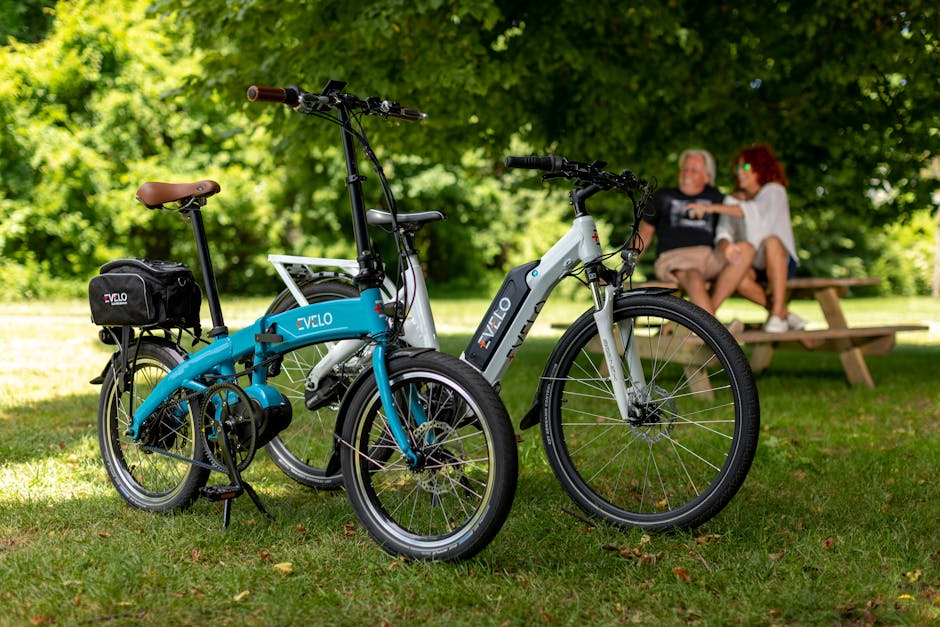
These two brands dominate mainstream cycling discussions, and most riders overthink the comparison. Here is the short version: buy Trek if dealer access and long-term serviceability matter most. Buy Specialized if slightly sharper geometry and a more performance-oriented ride feel are the priority.
At price points under $1,500, the quality gap between them is smaller than most reviews suggest. Choose based on which brand has better local dealer support in your area — because service quality over three years of ownership matters more than marginal differences in frame geometry data.
Questions Worth Asking Before You Commit to a Brand
Does the brand name affect resale value?
Materially, yes. A two-year-old Trek Domane AL in good condition typically retains 55–65% of its original purchase price on the used market. A similarly priced bike from a lesser-known brand might retain 30–40%. If there is any chance you will upgrade or sell within three years, brand reputation is a financial variable, not just a preference.
Are component specs consistent across a brand’s price tiers?
No, and this is where first-time buyers get confused. At $600, Trek and Giant use Shimano Altus or Acera — entry-level groupsets that work reliably but shift slowly under load. At $1,000, those same brands move to Shimano Deore or SLX, which shift faster, last longer, and handle trail conditions more cleanly. The brand name on the frame stays the same; the component quality improves significantly with price. Jumping from a $600 Trek to a $1,000 Trek is not just paying for a name — it is a real equipment upgrade.
Should I avoid brands sold primarily on Amazon or social media?
Generally, yes. Several direct-to-consumer brands with aggressive advertising — Vilano, Sixthreezero, and similar names — sell bikes at prices that appear comparable to Trek or Giant entry-level models. Component specs on these bikes routinely underdeliver compared to what is listed, frames carry no meaningful warranty, and service requires shipping the bike. Paying $50–$100 more for a Giant Talon or Co-op Cycles ADV buys a meaningfully better product with real after-sale support. The savings almost never survive the first significant repair.
The Brand-to-Riding-Type Reference Table
Use this as a starting point. Local dealer access and physical fit should adjust any recommendation on this list.
| Riding Type | Best Brand Match | Entry-Level Option | Mid-Range Option |
|---|---|---|---|
| Road cycling | Giant or Specialized | Giant Contend 3 ($900) | Specialized Allez Sport ($1,200) |
| Hardtail mountain | Trek or Orbea | Giant Talon 3 ($600) | Orbea MX 50 ($799) |
| Gravel / adventure | Cannondale or Trek | Co-op Cycles ADV 1.1 ($649) | Cannondale Topstone 4 ($1,250) |
| Urban commuting | Giant or Trek | Decathlon BTwin RC 120 ($399) | Trek FX Sport 4 ($1,199) |
| Casual / weekend | Giant or Fuji | Fuji Nevada 1.9 ($499) | Trek Marlin 7 ($979) |
Brands absent from this table — unbranded Amazon bikes, generic department-store labels, and rebadged direct-import bikes — are absent for a reason. At the prices where they compete, Trek, Giant, Orbea, and Fuji offer better component specs, better warranties, and substantially better resale value. The upfront savings rarely survive the first significant repair.
The competitive landscape for bicycle brands is shifting. Orbea’s North American dealer network has grown considerably, Specialized has pushed its entry-level pricing down, and Giant continues expanding its direct sales channels. The best options available in 2026 are more accessible and better specified than anything on the market five years ago — which means there has never been a worse time to settle for an unknown brand just to save $80.