
Women’s Climbing Harness Reviews: Which One Fits Your Discipline
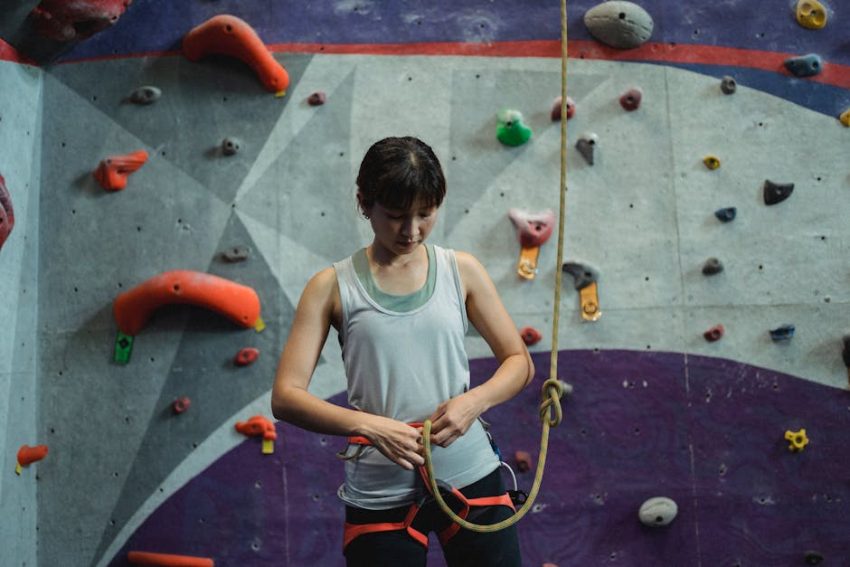
The Black Diamond Momentum Women’s is the right harness for most people reading this. If you climb at the gym three times a week or you’re just starting outdoor sport routes, that $55 harness covers your needs for years. Stop here and order it.
For trad climbers, alpinists, and anyone logging serious time on multi-pitch routes, the answer is more specific. The wrong harness doesn’t mean falling — it means two hours of discomfort that compounds into distraction, which carries its own implications on exposed terrain.
Safety note: Always verify harness specifications, weight ratings, and retirement criteria directly with the manufacturer before use. The information here is educational and does not substitute for manufacturer documentation or fitting assistance from a certified gear retailer.
What Actually Makes a Harness “Women’s”
Most gear labeled women’s differs from unisex designs in one of three ways: it comes in different colors, it covers a different waist size range, or it has genuine anatomical geometry changes. Only the third category matters.
The anatomical factors that drive real women’s-specific harness design come down to three things: rise height, waist-to-hip ratio, and thigh circumference relative to waist size. Women’s bodies, on average, have a shorter distance between the waistbelt and the leg loops (called rise), a higher waist-to-hip differential, and proportionally larger thighs relative to waist circumference. Each affects how a harness behaves under load.
Rise Height: The Spec Most Buyers Never Check
Rise is the vertical distance between the waistbelt and the tops of the leg loops. Too long and the harness rides into your ribcage under load — uncomfortable at best, bruising on long routes or repeated falls. Too short and the belay loop sits below your center of gravity in a way that distorts hang position and makes extended belaying at anchors genuinely painful.
Manufacturers who take women’s-specific geometry seriously — Petzl, Black Diamond, and Mammut among them — publish shorter rise dimensions in their women’s lines than in equivalent unisex models. This spec isn’t always prominent on product pages. It’s worth contacting a retailer or manufacturer directly for the exact figure if you have a history of ride-up issues or are between size brackets.
Leg Loop Adjustability and Thigh Proportions
Fixed leg loops save weight. Adjustable leg loops fit more people. For any climber who isn’t weight-optimizing for alpine objectives, adjustable is the right call — it accommodates layering in cold conditions and handles the wider range of thigh-to-waist ratios that have been found to vary more in women’s sizing data than in men’s equivalent ranges.
The Petzl Selena Women’s uses adjustable leg loops specifically for this reason. The Arc’teryx AR-395a Women’s uses fixed loops to save weight — a decision that makes sense for an experienced alpinist who knows her exact measurements, and a poor decision for anyone still determining fit.
When the Women’s Label Doesn’t Help
Climbers with narrower hips or proportionally longer torsos sometimes find that a small or extra-small unisex harness fits better than anything labeled women’s. The label is a starting point, not a guarantee. If you have access to a gear shop with a fitting station, try both categories before committing. Fit supersedes marketing every time.
The Three Measurements That Determine Harness Fit
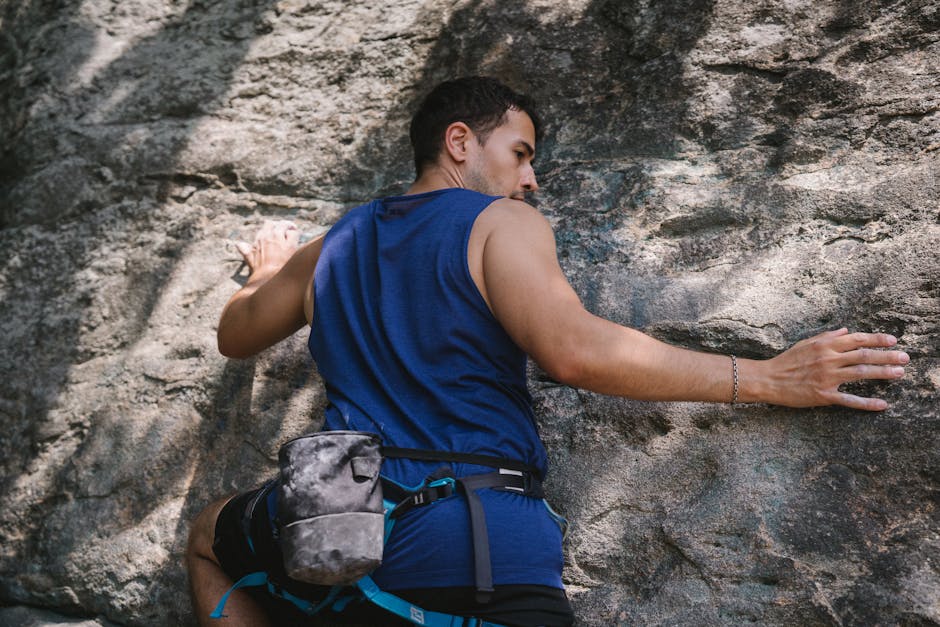
Most harness fit failures trace back to incorrect measurements before ordering. Here is how to take each one correctly.
- Waist at the iliac crest: Measure at the bony shelf of your hip — not at your natural waist above it. Climbing harness waistbelts sit at or just above the iliac crest. Measuring at your narrowest point instead can place you a full size bracket off from what actually fits.
- Thigh circumference: Measure the fullest part of both thighs and use the larger number. Thighs are rarely symmetrical. A harness sized to your smaller thigh will be unwearable on the other leg. For harnesses with non-adjustable leg loops, this measurement is a hard constraint — not a suggestion.
- Rise: Stand upright and measure from the top of your iliac crest to the hip crease at the leg. This approximates the rise space you need. Cross-reference it against the manufacturer’s published rise for the harness you’re considering. Not all brands publish this openly — email them if you can’t locate it.
As a practical check: with the harness properly buckled, you should be able to fit no more than four fingers between your body and the waistbelt. Anything looser and the harness shifts under load in ways that affect both comfort and belay loop geometry.
If you’re purchasing online without a fitting, most established climbing retailers now accept returns on harnesses that haven’t been used outdoors. Ordering two sizes and returning what doesn’t fit is standard practice — not an abuse of return policy.
Five Women’s Harnesses Compared by Discipline
Approximate retail prices reflect 2026 figures and vary by retailer. Verify before purchasing.
| Harness | Approx. Price | Approx. Weight | Leg Loops | Best Discipline | Verdict |
|---|---|---|---|---|---|
| Black Diamond Momentum Women’s | ~$55 | ~380g | Adjustable | Gym, beginner sport | Best overall value — fits most bodies |
| Petzl Selena Women’s | ~$70 | ~400g | Adjustable | Gym, sport, intro trad | Best padding for long hanging sessions |
| Edelrid Jayne III Women’s | ~$85 | ~370g | Adjustable | Sport, crag days | Best for narrow-hip body types |
| Mammut Ophir 4 Slide Women’s | ~$110 | ~330g | Adjustable | Sport to multi-pitch trad | Best step-up for intermediate climbers |
| Arc’teryx AR-395a Women’s | ~$175 | ~275g | Fixed | Alpine, technical multi-pitch | Best for weight-critical ascents only |
Two patterns stand out in this comparison. First, the weight savings above the Mammut Ophir level come at a significant price premium and a loss of adjustability — roughly 55 grams for an additional $65. Second, the Edelrid Jayne III Women’s earns specific mention because Edelrid’s fit geometry runs narrower at the waist with proportionally wider leg loops. Climbers who consistently find that Black Diamond or Petzl women’s harnesses feel too wide at the waist often get better results from Edelrid’s pattern.
The Black Diamond Solution Women’s (~$125) is also worth noting for intermediate climbers. It’s lighter than the Petzl Selena and frequently reported as more comfortable on long multi-pitch days despite less visible padding — because the waistbelt curvature matches the iliac crest more precisely under sustained load. Padding thickness and comfort are not the same variable.
More Padding Does Not Mean More Comfort
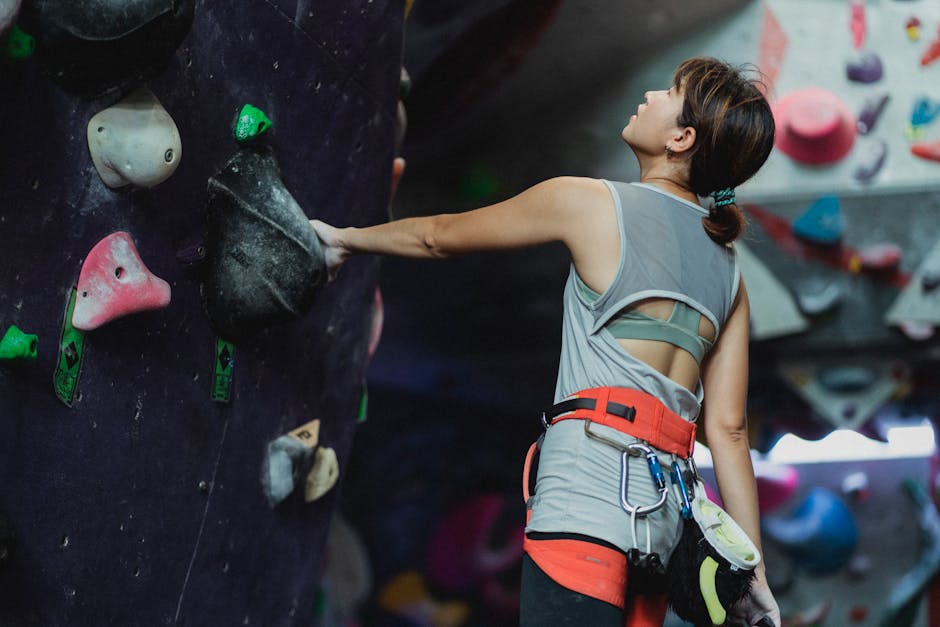
Thicker foam on a poorly shaped waistbelt makes the problem worse, not better. What keeps a harness comfortable at hour four is waistbelt curvature — specifically, whether the belt contours to the iliac crest under load rather than bridging across it and creating pressure points at both edges. When evaluating harnesses at a shop, hang in them for at least 90 seconds before deciding. That duration is long enough for a poor fit to announce itself clearly. Anything that feels fine after 10 seconds and wrong after 90 is telling you something accurate.
Matching Your Harness to How You Actually Climb
A harness is not a general-purpose tool. Features that make the Momentum Women’s excellent for the gym create real limitations on a trad route. Discipline should drive the buying decision before price does.
Gym and Single-Pitch Sport Climbing
Adjustable leg loops matter here for easy transitions over shoes and pants. You also want enough waistbelt padding to hang comfortably while your partner works a crux sequence. Weight is largely irrelevant — you’re not carrying the harness far. Both the Black Diamond Momentum Women’s and Petzl Selena Women’s cover this territory well. The Selena wins on padding for extended hanging sessions; the Momentum wins on price. For most gym climbers, the performance gap between them is not meaningful enough to justify the extra $15.
Trad and Multi-Pitch Routes
Gear loops become the primary consideration. Racking cams, nuts, a cordelette, a belay device, and spare biners simultaneously requires four gear loops at minimum — check the count before purchasing. Also check whether rear loops are sewn rigid (better for heavy gear that would otherwise rotate and shift) or soft (more comfortable on approaches, worse under a full trad rack).
The Mammut Ophir 4 Slide Women’s has four gear loops with rigid rear construction and is the clearest recommendation in the $90–120 range for climbers moving from sport into trad. The Black Diamond Solution Women’s competes here as well, with a more refined ice-clipper slot layout for anyone anticipating mixed or winter routes.
Alpine and Mountaineering
Weight is the deciding variable in the alpine, and the Arc’teryx AR-395a Women’s at approximately 275 grams is built accordingly. Its fixed leg loops mean sizing accuracy is non-negotiable — there is no field adjustment available. Purchasing this harness for casual sport climbing is, in this assessment, genuinely difficult to justify on any practical grounds. It belongs in a mountaineering pack, not at the local crag. Manufacturers have generally found that alpinists who use ultralight harnesses outside their intended context — particularly at lower elevations where falls are more frequent — report substantially higher dissatisfaction with comfort and fit.
How to Know When a Harness Must Be Retired
Most manufacturers recommend retiring harnesses after ten years from the manufacture date, or three to five years of regular use — whichever comes first. Several conditions trigger earlier retirement regardless of age or visible appearance.
- After a significant fall: Any fall that loads the harness heavily — particularly a high-factor fall where you travel far above your last piece of protection — warrants careful inspection and frequently replacement. Internal webbing absorbs damage that produces no externally visible sign.
- Visible wear on the belay loop: The belay loop typically accumulates more abrasion than any other component. Fraying stitching, chemical discoloration, or visible core fibers through the sheath are grounds for immediate retirement — not inspection and continued use.
- Buckle deformation: Double-back buckles that show bending, cracking, or don’t seat cleanly should be treated as a failure indicator, not a worn-but-functional condition.
- Unknown history: A secondhand harness with no documented history should generally not be used for lead climbing. Previous falls, chemical exposure, and UV degradation cannot be reliably assessed from visual inspection alone — a position manufacturers have consistently held across the industry.
- Chemical or UV exposure: Nylon degrades from prolonged sunlight, bleach, battery acid, and most solvents. Harnesses stored in vehicles, garages, or near windows age out of safe service faster than the ten-year rule accounts for.
Inspect the full harness — waistbelt, leg loops, belay loop, tie-in points, buckles — before every session. It takes under two minutes and catches the issues that develop gradually between uses, where they’re easiest to miss.
For most women buying their first or second harness, the Black Diamond Momentum Women’s at $55 remains the most defensible starting point: it fits a wide range of body types, uses adjustable leg loops, and will serve reliably through years of gym and crag climbing before you develop the specific needs that justify spending more.