
Best Practices for Waste Disposal During Outdoor Activities Guide
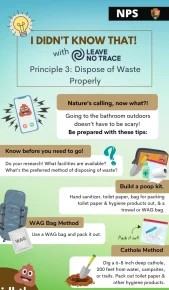
Planning Ahead: Reduce Waste Before You Hit the Trail
Ever worried about hauling a ton of trash out of the backcountry? The best way to handle waste disposal during outdoor activities starts long before you pack your bag. Planning ahead lets you cut down on waste and makes Leave No Trace waste disposal easier.
Here’s how to get waste under control before you even hit the trail:
| Waste Reduction Tip | How It Helps |
|---|---|
| Repackage food & supplies | Cut bulky packaging—less trash to carry out |
| Choose reusable over single-use | Limits plastic waste, saves money, eco-friendly |
| Plan meals carefully | Avoid food leftovers that turn into waste |
| Research destination rules | Follow local pack-out or disposal requirements |
Quick Tips to Reduce Waste:
- Repackage snacks and meals into reusable containers or zip-top bags instead of bulky wrappers.
- Bring a reusable water bottle and utensils—say goodbye to disposable plastics.
- Think through your meal portions so you don’t end up with scraps.
- Check park or trail websites for pack-it-in, pack-it-out rules or special regulations—some places require you to carry out human waste with WAG bags.
Planning this way not only helps protect wildlife and keeps campsites clean but also makes your trip lighter and more enjoyable. Smart prep is the foundation of sustainable outdoor recreation and minimal impact camping!
General Trash and Food Waste Disposal
The core rule for waste disposal during outdoor activities is simple: pack it in, pack it out. This means carrying out every piece of trash you bring in, including organic waste like fruit peels and food scraps. Leaving anything behind can attract wildlife, disrupt natural processes, and spoil the experience for others.
To keep trash secure, use odor-proof bags and store your waste away from your food supplies. This helps prevent animals from sniffing out your camp and keeps your gear safe. When you get back home, sort your trash properly and recycle whenever possible to close the loop on your outdoor impact.
Following these Leave No Trace waste disposal practices helps protect wildlife and promotes sustainable outdoor recreation by minimizing human impact on natural areas. For tips on organizing your supplies efficiently, check out our guide to a complete camp kitchen essentials.
Human Waste Disposal Techniques
When nature calls during outdoor activities, the best practice is to always use designated restroom facilities when available. These help keep backcountry areas clean and protect local water sources. If no toilets are around, the cathole method is the standard for human waste disposal. Here’s how to do it right:
- Dig a hole 6 to 8 inches deep, at least 200 feet away from water, trails, and campsites to avoid contamination and impact on other visitors.
- Choose a spot with loose soil for easy digging and natural decomposition.
- Use a small trowel to dig, then cover your waste and toilet paper completely after use.
- Pack out any used toilet paper or hygiene products in sealable bags to minimize impact, since some environments don’t fully break down paper.
In sensitive environments such as alpine zones, deserts, or heavily trafficked areas, packing out human waste with WAG bags is often required. These specialized bags contain gels or chemicals that neutralize waste, making it safe to carry out without leaving a trace.
For feminine hygiene products and wipes, it’s critical to always pack them out in sealed bags—as these items do not biodegrade and can harm wildlife. Following proper backcountry sanitation practices like these ensures that everyone can enjoy minimal impact camping and supports wildlife protection waste efforts.
For more tips on eco-friendly practices, check out this guide on the ultimate camper kitchen pack to plan your trip sustainably.
Gray Water and Dishwashing Best Practices
When it comes to managing gray water on the trail, it’s important to keep things clean without harming the environment. Always strain food particles from your dishwater and pack them out with your trash—dumping scraps can attract wildlife and disrupt local ecosystems. Use biodegradable soap sparingly; even eco-friendly soaps can affect water quality if used too much.
Dispose of gray water by dispersing it at least 200 feet away from any water sources, trails, or campsites to prevent contamination. If possible, consider dry-cleaning methods like wiping dishes with a cloth or using wipes you pack out to minimize impact even further.
Following these simple steps helps maintain backcountry sanitation and supports sustainable outdoor recreation. For more about eco-friendly cleaning options, check out natural products like those from the Bend Soap Company that are designed for minimal environmental impact.
Pet Waste and Other Considerations
When enjoying the outdoors with pets, it\’s crucial to pick up and pack out dog waste to keep trails clean and protect wildlife. Use sturdy, sealable bags to contain pet waste and carry it out just like your own trash. For those fishing or boating, be mindful to properly dispose of fishing lines, hooks, and bait containers—these can harm aquatic life and pollute water sources if left behind.
Managing hazardous waste such as batteries, fuel canisters, or other chemicals requires extra care. Never leave these items in camping areas or trails. Instead, pack them out in secure containers and dispose of them at appropriate recycling or hazardous waste facilities. Following these practices supports sustainable outdoor recreation and helps protect natural habitats from pollution and negative impacts.
For more practical tips on sustainable outdoor habits, check out this guide on responsible traveler outdoor habits.
Essential Gear and Tools for Responsible Waste Management
Having the right gear is key to effective waste disposal during outdoor activities. A sturdy trowel is a must-have for digging catholes when there are no facilities. When visiting sensitive or high-use areas, WAG bags are essential for packing out human waste, especially useful in alpine or desert environments.
Use odor-proof bags to securely store trash, food scraps, and pet waste, keeping smells contained and reducing the chance of attracting wildlife. Opt for reusable containers for food and utensils to cut down on single-use plastic waste.
For eco-friendly options, choose biodegradable soaps and clean tools made from sustainable materials. These small investments help maintain minimal impact camping practices and support Leave No Trace waste disposal ethics, ensuring you leave the outdoors just as you found it.
For tips on planning your trip and managing waste effectively, check out this guide on green mountain trail adventures.
Common Mistakes to Avoid and Why They Matter
When practicing best practices for waste disposal during outdoor activities, some common mistakes can cause lasting damage. Avoid burning trash or burying non-decomposable items like plastics and metals. These materials don’t break down easily and can pollute the soil and water, harming wildlife and plants.
Leaving so-called “biodegradable” items behind, such as fruit peels, coffee grounds, or paper products, is another big mistake. Even these natural wastes can attract animals, disrupt local ecosystems, and take much longer to decompose than you might expect. Always follow the Leave No Trace waste disposal principle: pack it in, pack it out.
Failing to manage waste properly impacts water quality by introducing contaminants and increases the chances of wildlife becoming dependent on human food or getting sick. It also harms the experience for other visitors who expect pristine trails and campsites. For more on respecting nature and minimizing your footprint, check out our guide on nature education and teaching kids to respect the wild.
By dodging these mistakes, you’ll help keep natural spaces clean, safe, and beautiful—ready for you and future outdoor enthusiasts.



Leave a Reply