Fall Hiking Layering Guide 2026: Patagonia R1 Setup
For fall hiking, three adjustable layers beat one bulky jacket almost every time: a sweat-moving base layer, a breathable fleece, and a rain shell that blocks wind and rain. That setup handles a 45°F morning, a sweaty climb, and a cold ridge without forcing you to carry five random garments.
Why fall hiking layers beat one heavy jacket
The real problem is changing output
Your body makes far more heat climbing than standing at a trailhead. A heavy insulated jacket feels great for the first ten minutes, then turns into a portable sauna when the trail tilts upward. Once your base layer gets wet, you cool down fast during a snack break. The problem is not a lack of insulation. It is trapped moisture and poor control.
A layering system separates three jobs. The base layer moves sweat away from your skin. The middle layer holds warm air while letting some heat escape. The shell stops wind and rain. I can remove the fleece before a steep section, put it back on at a viewpoint, and add the shell when the weather turns. That control matters more than the marketing claim on any single jacket.
The rule I use on every fall trip
Start slightly cool. If I feel perfectly warm while packing at the car, I am probably wearing too much for the first climb. I keep the next layer in an outside pack pocket, not buried under food and a first-aid kit. Zippers matter as much as fabric: a half-zip base layer, full-zip fleece, and pit-zip shell let me dump heat before sweat soaks the system.
For most three-season day hikes, the best default is a light synthetic or merino base layer, a 100-to-200-weight fleece, and a waterproof shell with room for both layers. That combination solves the basic fall problem: conditions change faster than your clothing dries.
How to choose a base layer by sweat and temperature
Use this four-step test before buying
- Match the fabric to your sweat rate. Choose synthetic polyester for hard, sweaty climbs and fast drying. Choose merino when odor control and comfort over several days matter more than drying speed.
- Pick the right weight. A 120-to-160 g/m² base layer suits active hiking from roughly 45°F to 65°F. Move toward 180-to-220 g/m² when the hike stays below freezing or your pace is slow.
- Check the fit at the shoulders and wrists. The fabric should touch your skin without squeezing your chest. Loose folds create cold spots under a fleece, while tight sleeves make layering awkward.
- Buy the shirt you will actually wear. A quarter-zip collar, thumb loops, and sleeves long enough to cover the wrist are more useful than a vague claim about advanced fibers.
Merino, synthetic, or a blend?
Merino feels less clammy during stop-and-go hiking and resists odor better, but it dries slowly after a wet climb. Polyester dries quickly and costs less, but it can smell after one long day. A merino-nylon blend is my best middle ground for multi-day trips because the nylon improves durability while the wool still manages odor.
Skip cotton completely for cool-weather hiking. Cotton holds sweat against your skin, then loses warmth when damp. That failure shows up most clearly when you stop moving beside a lake or reach a windy summit. The base layer should not feel warm by itself. Its first job is keeping moisture from becoming your next source of cold.
Fall hiking temperature chart: what to wear from 50°F to 30°F
My starting setup by forecast
| Air temperature | Moving uphill | Rest stops and exposed ridges | Rain or strong wind |
|---|---|---|---|
| 50-60°F | Light base layer | Packable fleece nearby | Ultralight shell if clouds build |
| 40-50°F | Light base layer with sleeves rolled | 100-200-weight fleece | Shell over base or fleece |
| 32-40°F | Warm base layer, open collar | Fleece plus hat and gloves | Waterproof shell blocks wind chill |
| 20-32°F | Midweight base layer and steady pace | Fleece plus light insulation | Shell over every layer in wet snow |
How to adjust the chart on the trail
Wind can make a 45°F ridge feel colder than a calm 35°F forest. Rain also changes the order: I put the shell on before the fleece gets wet, not after. The chart assumes normal day-hiking effort, a dry pack, and no long periods of standing around. Add a hat before adding another torso layer. You lose a surprising amount of comfort through an uncovered head, neck, and hands.
Use the forecast low, not the afternoon high, to pack safety layers. A 55°F start can become a 35°F finish after sunset, especially near open water or high elevations. I also pack one dry base layer in a bag if the route is long enough to outlast daylight. It weighs less than a bulky jacket and gives you a clean layer for the hike back.
My strongest opinion: spend less on fleece, more on venting
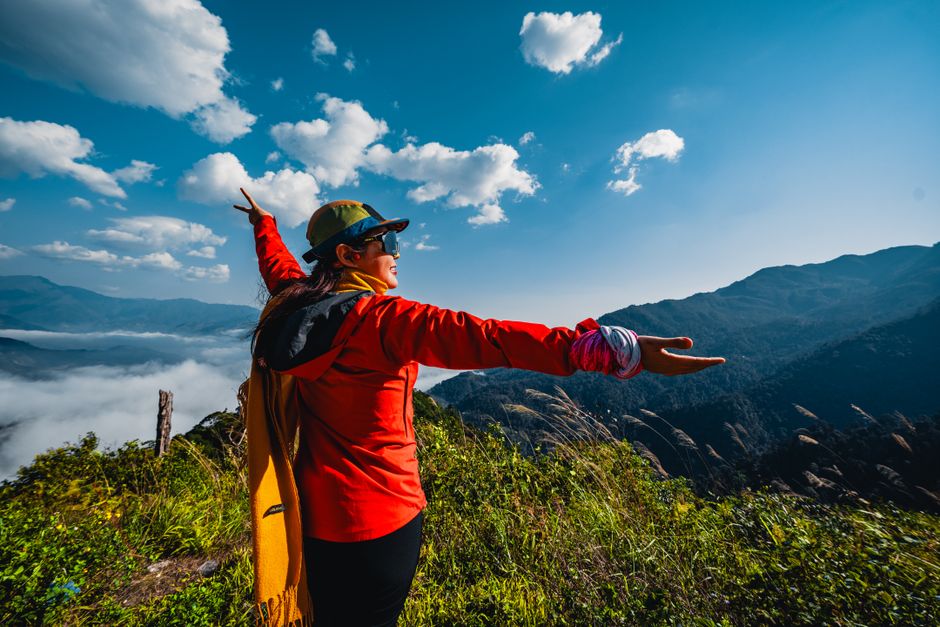
Buy a breathable fleece with a good zipper before buying an expensive insulated jacket. Most fall hikers need to manage heat more often than they need maximum warmth. A fleece that vents quickly stays useful from the first climb to the final descent, while a thick puffy often spends the day stuffed in the pack or overheating you.
The fleece I would buy first
The Patagonia R1 Air Jacket is my top active-hiking fleece pick at about $165. The men’s version weighs roughly 295 grams, uses an open zigzag knit, and dries faster than dense traditional fleece. It is not the warmest midlayer on the market. That is exactly why it works on uphill sections. The fabric releases heat, and the full zip gives me a wide temperature range without removing the whole garment.
For a lower price, the Outdoor Research Vigor LT Crew costs about $110 and offers a light grid-fleece design that vents well during movement. I prefer the R1 Air for variable terrain because its full zip gives finer control. I prefer the Vigor LT when I want a lighter, simpler layer and already carry a shell with strong ventilation.
When a fleece is the wrong purchase
Do not buy a thick fleece as your only cold-weather layer if your trips include long stops, winter camping, or temperatures below 30°F. Fleece warms well while you move but loses heat quickly when the wind cuts through it. In those conditions, keep the fleece for active travel and add a light synthetic insulated jacket for camp or long breaks.
Do not size a fleece so tightly that a base layer bunches underneath. Try it on with the shirt you hike in and raise both arms. The hem should not ride above your belt, and the sleeves should stay under your shell cuffs. Those details sound minor until rain starts and your wrists are the only exposed part of your layering system.
What goes wrong on fall hikes?
Why am I cold even with three layers?
Usually, one layer is wet or the shell is leaking wind through the hem and cuffs. Open the fleece zipper before you start sweating, then close it before stopping. If the base layer is already soaked, adding insulation traps the moisture. Change into a dry shirt when the route and trip length justify carrying one.
Should I choose merino or synthetic?
For one hard day hike, I choose synthetic because it dries faster. For a weekend with limited laundry, I choose the Smartwool Classic All-Season Merino Base Layer, usually around $90, because its light 150 g/m² fabric manages odor better than basic polyester. It still dries slower, so I would not wear it under heavy rain on a high-output route unless I have a dry spare.
Do I need a premium rain shell?
Buy the Arc’teryx Beta Jacket at about $400 if you want a durable, all-purpose mountain shell with an 80D face fabric, GORE-TEX ePE membrane, and a structured hood. It is my pick for frequent alpine use and pack abrasion. Choose the Outdoor Research Foray 3L at about $260 if venting matters more than a bombproof face fabric. Its TorsoFlo zipper opens from the hem toward the upper chest, which dumps heat better than most side vents.
Do not buy either shell for short fair-weather walks where a windbreaker handles the forecast. A waterproof shell costs more, packs less comfortably, and can feel clammy during hard effort. Buy rain protection when rain, wet snow, or exposed wind can change the safety of the hike, not because every fall morning looks dramatic.
Which fall hiking layer should you buy?
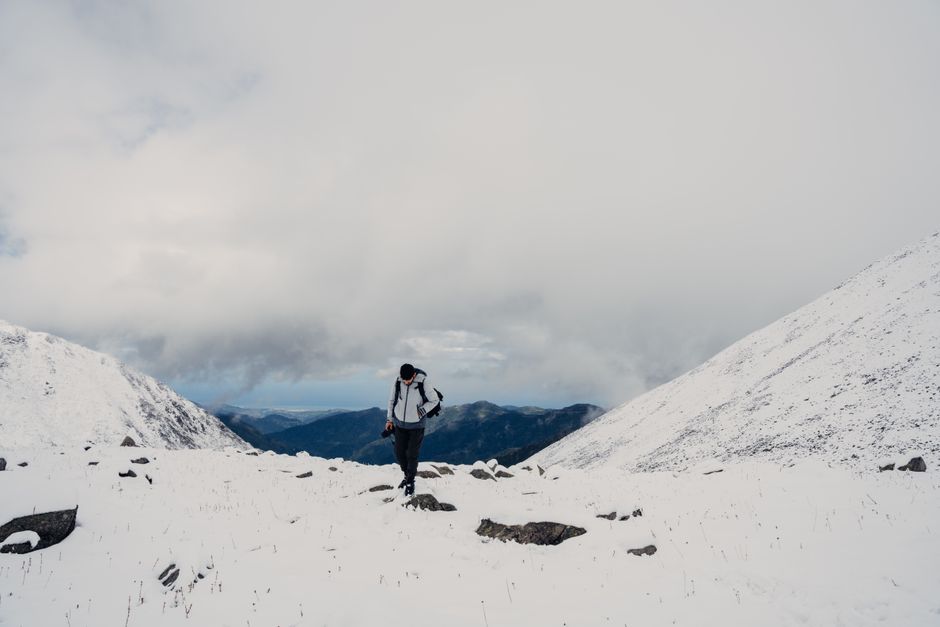
My picks by hiking situation
| Need | My pick | Approximate price | Why I choose it |
|---|---|---|---|
| Odor control for multi-day trips | Smartwool Classic All-Season Merino | $90 | Light 150 g/m² merino with better repeat-wear comfort |
| High-output fleece | Patagonia R1 Air Jacket | $165 | 295 g, breathable knit, full-zip heat control |
| Lower-cost active fleece | Outdoor Research Vigor LT Crew | $110 | Light grid fleece for moving fast |
| Durable mountain shell | Arc’teryx Beta Jacket | $400 | 80D GORE-TEX ePE, strong hood, rugged face fabric |
| Best shell ventilation | Outdoor Research Foray 3L | $260 | TorsoFlo venting and three-layer weather protection |
The short buying verdict
For most fall day hikers, I would buy a light synthetic base layer, the Patagonia R1 Air, and the Outdoor Research Foray 3L. That trio gives the best balance of heat control, rain protection, and price. Swap in Smartwool when odor control matters more than fast drying. Choose the Arc’teryx Beta only when you hike often in rough terrain and will use its extra durability.
The system matters more than any single brand. Keep the base layer dry, vent before you sweat, and carry the shell where you can reach it during a weather change. That is the fall hiking setup I trust: light enough for the climb, adjustable on the ridge, and warm enough for the walk back.