
10 Outdoor Habits of a Responsible Traveler for Sustainable Adventure
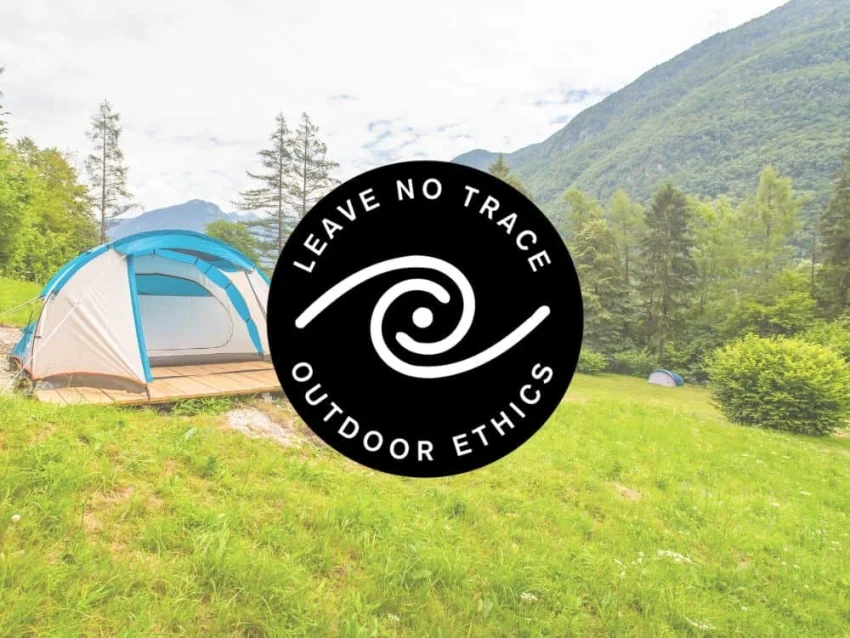
What Does It Mean to Be a Responsible Traveler in the Outdoors?
When you think about being a responsible traveler outdoors, it’s all about minimizing your impact while fully enjoying and respecting nature. Responsible outdoor travel means making choices that protect the environment — from delicate plants to wildlife habitats — so these places stay beautiful and healthy for everyone and future generations.
Popular outdoor spots often face challenges like trail erosion, where heavy foot traffic wears away soil and damages vegetation. Wildlife disturbance is another big concern; getting too close or feeding animals can change their natural behaviors and harm ecosystems. Then there’s litter—leftover trash or even small scraps like fruit peels can pollute the environment and disrupt wildlife.
By adopting Leave No Trace principles and sustainable hiking tips, you not only reduce damage but also deepen your connection to nature. Being a conservation-minded traveler helps preserve the wild places you love. Plus, it feels great knowing you’re part of protecting these natural treasures rather than harming them. Responsible travel outdoors isn’t just about what you avoid doing—it’s about actively caring for the environment through ethical nature exploration and green outdoor ethics.
The 10 Essential Outdoor Habits of a Responsible Traveler
Being a responsible traveler means adopting habits that minimize environmental impact while enjoying nature fully. Here are 10 essential outdoor habits to follow:
| Habit Number | Habit | Key Tips and Notes |
|---|---|---|
| 1 | Plan Ahead and Prepare | – Research trails, weather, permits, and regulations. – Pack maps, gear checks, and essentials. – Choose less-crowded spots or low-season trips to avoid overtourism. |
| 2 | Stick to Designated Trails and Durable Surfaces | – Stay on marked trails to prevent soil erosion and plant damage. – If off-trail, spread out and walk on rocks or gravel to reduce impact. |
| 3 | Pack Out Everything You Pack In | – Carry reusable containers and trash bags. – Don’t leave organic waste like fruit peels or toilet paper behind. |
| 4 | Properly Dispose of Human Waste | – Use catholes 6-8 inches deep, at least 200 feet from water. – Pack out hygiene items, choose biodegradable products when possible. |
| 5 | Leave Natural Objects and Cultural Artifacts As You Find Them | – Don’t pick flowers, rocks, or disturb historic sites. – Follow a “take only photos, leave only footprints” mindset. |
| 6 | Minimize Campfire Impacts | – Use existing fire rings or portable stoves. – Keep fires small, burn only dead wood, and fully put out fires. |
| 7 | Respect Wildlife from a Distance | – Observe animals without approaching or feeding. – Secure food to avoid habituating wildlife. |
| 8 | Be Considerate of Other Visitors | – Yield on trails, keep noise levels down, control pets. – Maintain peaceful conditions for everyone to enjoy. |
| 9 | Use Eco-Friendly Gear and Products | – Choose reusable water bottles, reef-safe sunscreen, and sustainable clothing. – Support brands with low-impact production. |
| 10 | Give Back and Educate Others | – Join trail clean-ups or conservation efforts. – Share responsible habits with fellow travelers to spread awareness. |
These habits align closely with Leave No Trace principles and sustainable hiking tips, helping you reduce your environmental footprint during outdoor adventures. When planning trips to popular destinations like Green Mountain Trail in Huntsville, sticking to durable trails and packing out waste are especially critical to preserve these beautiful areas.
Adopting these habits makes your outdoor recreation low-impact and ethical, ensuring nature remains vibrant and accessible for future travelers.
How to Incorporate These Habits into Your Next Adventure
Making responsible outdoor travel a routine is easier than you might think. Here’s a simple step-by-step checklist to help you prepare and practice these 10 outdoor habits on your next trip:
-
Plan Ahead: Research your destination’s trail regulations, weather, and permit needs. Pack reusable gear like water bottles, trash bags, and biodegradable products to follow the pack in-pack out rule while minimizing environmental impact outdoors. Consider visiting during the low season or less-crowded spots to avoid overtourism.
-
Choose Your Activity Wisely: Whether you’re hiking, backpacking, or kayaking, know the best ways to stick to durable surfaces and understand wildlife observation guidelines specific to each activity. For example, when hiking, always use established paths; in kayaking, avoid disturbing shorelines or aquatic life.
-
Pack Smart: Bring only what you need and make sure everything you carry in can be packed out. Include items to properly dispose of human waste and minimize campfire impacts, such as portable stoves or fire starters.
-
Practice Trail Etiquette: Share the trail respectfully by yielding to other visitors, keeping noise low, and managing your pets carefully. This respect helps create a positive experience for everyone while supporting conservation-minded travel.
-
Leave No Trace in Action: Follow Leave No Trace principles rigorously—leave natural objects and cultural artifacts alone, and never feed or approach wildlife.
Common Mistakes to Avoid & Quick Fixes
-
Forgetting to Check Regulations: Always double-check local rules ahead of time to avoid fines or harming the environment. It’s easy to overlook, but critical.
-
Leaving Trash Behind: Even biodegradable items like fruit peels should be packed out or buried properly away from trails.
-
Ignoring Wildlife Distance: Never feed or get too close to animals; use binoculars or cameras instead.
-
Starting Unsafe Fires: Use designated fire rings or stoves, and always extinguish fires completely.
By following these steps, you not only enjoy your adventure fully but also uphold eco-friendly camping practices and low-impact outdoor recreation. For more ideas on preparing family hikes sustainably, check out this detailed guide on how to plan your next kids’ hike.
Embracing these habits turns every journey into a responsible adventure travel experience that protects nature and preserves it for future explorers.



Leave a Reply